









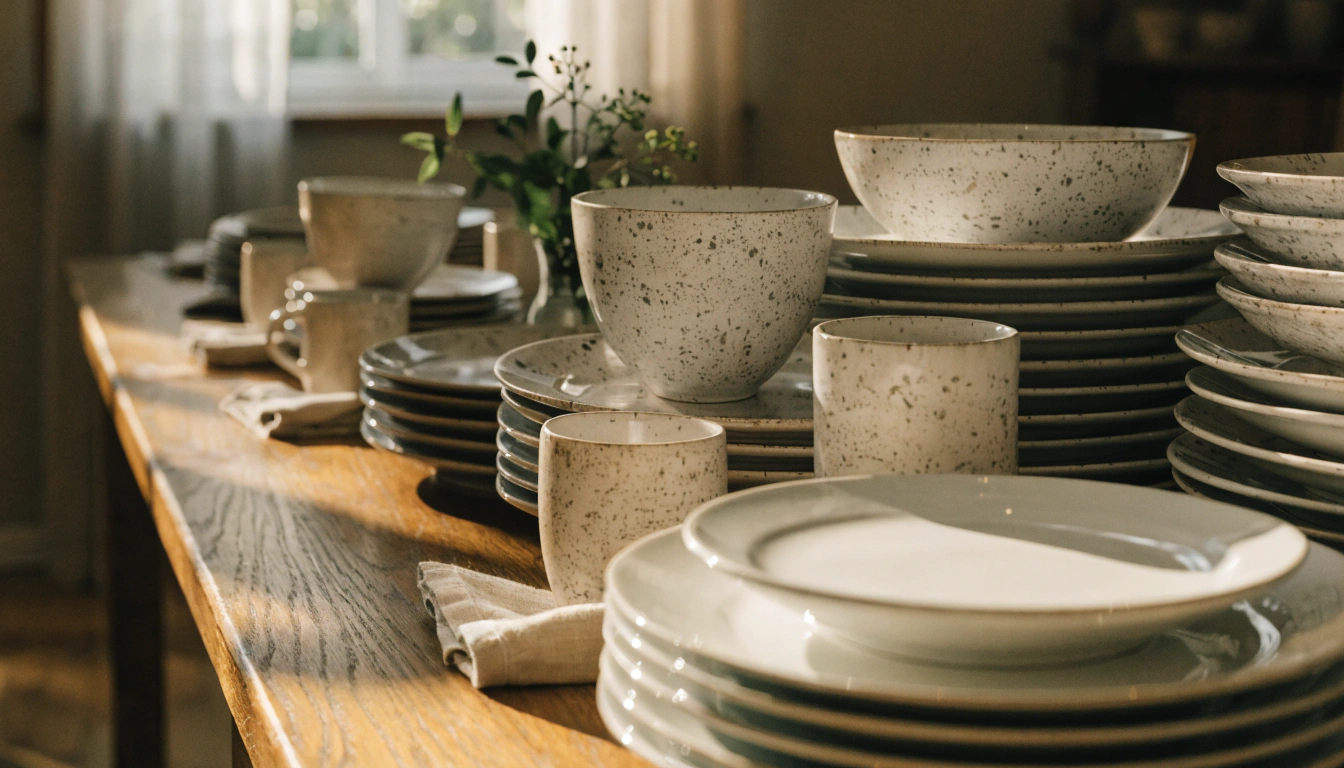

How to Choose Dinnerware: The Ultimate Dinnerware Sets Buying Guide
Material is the first decision in any guide to choosing dinnerware. Get it right, and knowing how to choose dinnerware from there gets much easier. Plates lead hard lives: dishwashers, microwaves, stacking, the occasional drop. Pick a material for the routine you actually run, not the one you imagine.
Authorities like Lenox sort the ceramics the same way this guide does. Materials come first below. Then set sizes, plate shapes, style, durability, storage, and budget, each in plain steps.
Start With the Dinnerware Materials

Weight, durability, price, and kitchen survival all trace back to the material. Five options cover nearly every home. Put simply, the porcelain vs stoneware vs bone china vs earthenware vs melamine question comes down to how hard your daily table runs: bone china and porcelain lean formal and durable, stoneware and earthenware lean rustic and casual, and melamine leans practically indestructible.
The all-rounder title belongs to porcelain dinnerware. Fired hot and dense, it remains chip-resistant yet feels light in the hand—Dishwasher-safe, microwave-safe, and usually oven-safe too. Metallic trim is the lone exception, and it bans the microwave outright.
Bone china sounds fragile but is strong. Bone ash in the clay makes it the toughest fine ceramic going, thin, translucent, and chip-resistant. Formal looks, everyday durability.
Everyday duty belongs to stoneware dinnerware. It runs thicker and heavier, wears a rustic look, and forgives whatever kids throw at it. Reactive glazes give each piece its own character. Check labels, though, since some hand-finished stoneware skips the dishwasher.
Earthenware adds weight and charm for less money, and it chips more easily than the rest. Melamine rounds out the list, shatterproof, outdoor-ready, and permanently banned from the microwave.
Glass dinnerware deserves a mention, too. Tempered and vitrified glass sets run thin, stack tight, and survive real abuse. The look stays plain. The lifespan does not.
Match the material to the loudest part of your day. Toddler at the table? Stoneware or melamine. Dinner parties monthly? Porcelain earns its spot. The honest answer beats the pretty one.
Everyday Dinnerware Sets vs. Special-Occasion Dinnerware Sets

Shop for the meals you actually cook. Nightly dishwasher runs, careless stacking, a knife dragged across the glaze, everyday dinnerware has to take all three without complaint. Stoneware and porcelain own this lane.
Formal dinnerware plays a different game. Bone china and fine porcelain earn their keep on holidays, dinner parties, and anniversaries, then rest between shows.
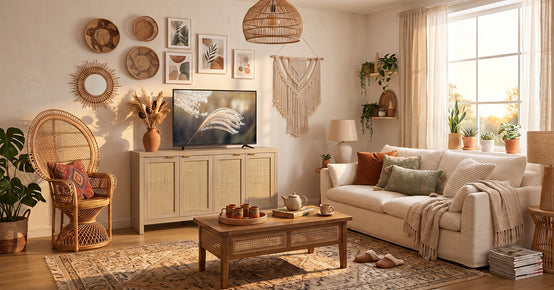
Casual habits count too. Dessert has a way of drifting toward the sofa, and sturdy small plates that can ride on the round coffee tables in the living room beat delicate ones every time.
One good set can cover both worlds. Plenty of homes run simple white porcelain daily and dress it up with linens for guests. Cheaper than two sets. Easier to store too.
Restaurant supply stores know this fight well. Their commercial porcelain takes thousands of washes a year, and that track record explains why hotel-style white sets keep landing in home kitchens.
How Many Pieces Do You Actually Need?

Packaging makes the math look harder than it is. Dinner plate, salad plate, bread plate, cup, saucer, that is a 5-piece place setting. A 16-piece dinnerware set feeds four with dinner plates, side plates, bowls, and mugs.
Count your household, then add guests. Somewhere between 8 and 12 place settings suits most families, covering a full table while half the plates sit in the dishwasher.
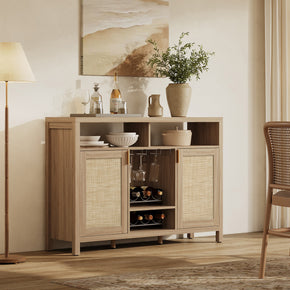
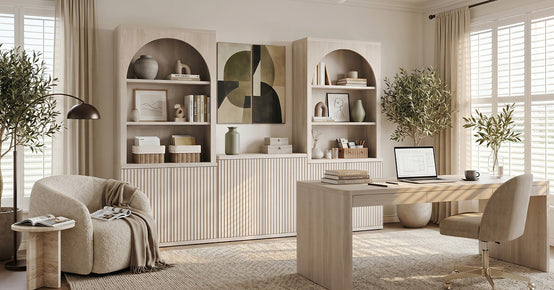
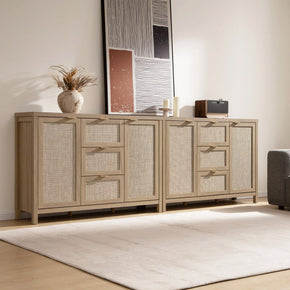
Two spare settings belong on top of that count, since breakage happens and discontinued patterns forgive nothing. Boxed sets stack tight. A full service for eight fits one shelf of aWillow collection sideboard and still leaves room for serving pieces.
Open stock is the flexible route. Pieces sell individually, so replacements, extras, and mix-ins stay possible for years. It costs a little more per plate and saves whole sets from one broken bowl.
Households of two can go smaller—six settings, done. Hosts who feed a crowd twice a year can borrow the overflow instead of storing twelve extra plates for 363 quiet days.
Get the Plate Shapes and Plate Sizes Right

For most dinnerware sets, a 10.5-inch dinner plate works best: big enough for a full meal, small enough to fit standard cabinets and dishwashers. Round plates are round for a reason. Stacking stays clean, cabinets stay happy, and the food never fights the shape. Square and organic plates look striking and pay for it in shelf space.
Size matters more than people expect. Across the board, modern dinner plates measure 10.5 to 11 inches. Before falling for oversized dishes, measure the cabinet depth and the dishwasher rack, because an 11.5-inch plate that fits neither becomes a daily annoyance.
Rims change the experience too. A rimmed plate frames the food and catches the sauce. Coupe plates drop the rim entirely, curving up like a shallow bowl that suits pasta and grain bowls. Around 8 inches, salad plates pull double duty as dessert plates and trim the piece count.
Bowls need one decision of their own. One wide, shallow shape covers pasta, salad, and cereal without help. Deep soup bowls can join later once the menu earns them, and chargers stay optional unless formal dinners happen often.
Pick a Style You Will Still Like in Five Years

Choosing a dinnerware style comes down to one test: will it still feel right in five years? Here is how to choose dinnerware that fits your home décor without chasing trends.
White dinnerware is classic for a reason. Food looks better on it, every table linen matches it, and replacing a piece remains easy. Solid or banded white makes the safest base a table can have.
Patterns bring the personality. Borders and rim details add color without hiding the food, while allover prints and hand-painted designs turn casual meals festive. Trend-driven patterns age fastest, so save the bold prints for accent pieces.
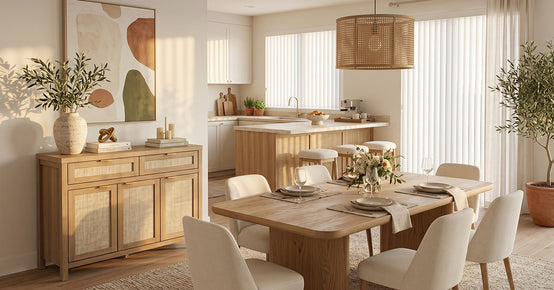
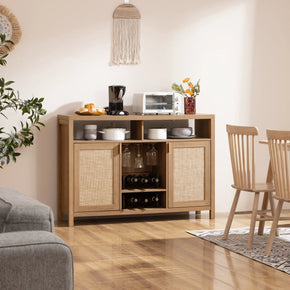
Mix and match is the modern move. Pair patterned salad plates with solid dinner plates, or blend two glaze tones from the same family. Display finishes the job, and abuffet with wave doors and golden handles gives the pretty set a stage between meals.
Texture is the quiet third option—ribbed edges. Speckled glazes. Matte finishes. The personality of a pattern arrives without any long-term commitment.
Durability, Safety, and Real-Life Care

Four labels to check before buying: dishwasher-safe, microwave-safe, oven-safe, and food-safe glaze. Drops break fewer plates than thermal shock does, that fridge-to-hot-oven jump that cracks ceramic, a risk the HomeVSS dinnerware guide explains well. Let cold dishes warm up first.
Glaze safety deserves one honest minute. Serious brands use lead-free, food-safe glazes and print them plainly. Old glazes on vintage, imported, or unmarked decorative ceramics can carry lead, and those pieces belong on display shelves, never under the dinner table.
Weight matters daily, too. Lift a full stack of stoneware once, and the porcelain argument makes itself. Heavy sets punish small hands and high shelves.
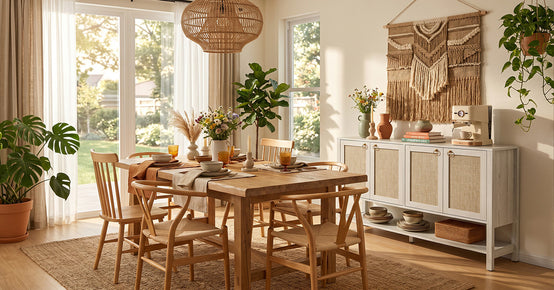
Care is mostly habit. Steel wool never touches good glaze. Stacks get lifted rather than dragged, and felt separators slide between the fine pieces. Behind the doors of a four-door buffet cabinet, a stack of dishes stays chip-free and dust-free for years.
Stains have easy fixes. A short white vinegar soak wipes away hard-water spots, and a baking soda paste lifts coffee marks. Both fixes together cost ten minutes, and the set comes out looking new.
Storage and Display That Protect the Set

Near the dishwasher is where everyday plates belong, stacked by size, bowls nested inside each other. Weight goes low. Heavy stoneware on bottom shelves saves both the shelf and your wrists.
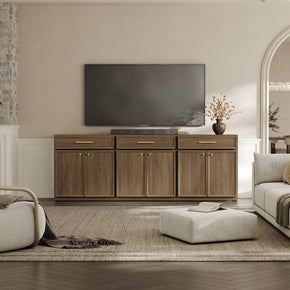
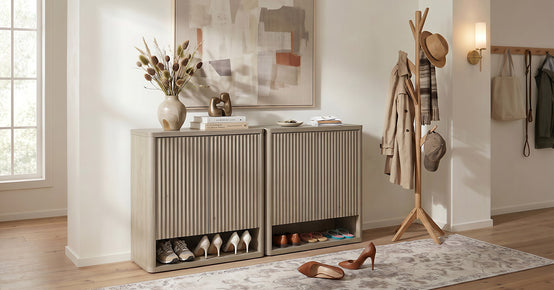
The occasion set deserves better than a garage box. Asideboard for storing dinnerware sets holds the china behind doors, hosts the serving pieces in its drawers, and turns its top into the buffet line at every holiday.
Hang the mugs, rack the saucers, and give platters a vertical slot. Vertical storage prevents the worst chip-maker in any kitchen: one platter sliding across another.
Mugs break their own rule. Stack them two high, never three. Handles chip first, and glue never really brings them back.
Budget: Smart Budgeting When You Choose Dinnerware Sets

Price follows material. Cheapest is earthenware and melamine, then stoneware in the mid-range, porcelain a step above, and bone china at the top. Good and bad quality are found in every tier, so pick up a plate and feel it.
The weight test tells a lot. Balance is what a good plate feels like, with glaze running smooth to the edges and a foot ring sitting dead flat. The giveaways are wobble and rough spots.
Smaller is the smarter start. One quality 16-piece set outlives a bargain 32-piece set that chips by spring. Growth comes through open stock and serving pieces added over time, with the overflow parked in an accent sideboard with doors until the collection settles.
Sales seasons help. January and late summer clear dinnerware stock across most retailers, and open-stock pieces are discounted the deepest then. Patience buys the better set.
Dinnerware Mistakes to Avoid
Six mistakes explain most dinnerware regret.
-
Buying a huge matching set before testing one place setting in real life.
-
Plates too big for the cabinets, the dishwasher, or both.
-
Metallic-trimmed pieces microwaved once, ruined forever.
-
Trend patterns across the entire set rather than the accent pieces.
-
Skipping the two spare settings, then losing the pattern to discontinuation.
-
Cold ceramic straight into a hot oven, and the crack that follows.
Final Thoughts
One honest sequence sits under choosing dinnerware. Material matched to routine. Settings counted for your table plus two. Plates sized to the cabinets they will actually live in.
Build on a white base, put the personality in the accents, check the labels, and slide felt between the fine pieces. Do that, and how to choose dinnerware stops being a question at all. A decade of dinners later, the set still looks right.
FAQs
How do I choose the right dinnerware?
Material first, matched to daily life. Everyday tables run porcelain or stoneware, and occasions call for bone china. After that, count place settings for household plus guests, hold the plate sizes against your cabinets, and build the style on a neutral base.
What is the best material for dinnerware?
For most homes, porcelain is a good choice is durable and lightweight while passing the dishwasher, microwave, and oven tests. Rustic style and rough daily use favor stoneware. Elegance goes to bone china, which stays surprisingly strong underneath the looks.
What dinnerware do you really need?
The core pieces per person:
-
One dinner plate, plus a salad plate that moonlights as the dessert plate.
-
A single bowl deep enough to handle cereal, soup, and pasta.
-
Each person gets a mug or cup, and the table shares platters and serving bowls.
How many place settings should I buy?
Eight to twelve covers most homes. Add the daily eaters to the guests you genuinely host, then take two extra settings as insurance before breakage meets a discontinued pattern.
Is porcelain or stoneware better for everyday use?
Both survive daily life. Lighter, brighter, and more chip-resistant describe porcelain. Heavier, warmer, and more casual describe stoneware. Family kitchens with heavy traffic tend toward stoneware, and clean-look households tend toward porcelain.
What is a 5-piece place setting?
Dinner plate, salad plate, bread plate, cup, saucer, which covers one person formally. Casual versions trade the formal extras for a bowl and a mug, which is the exact formula a boxed 16-piece set repeats four times.
How do I know if dinnerware is good quality?
The quick checks:
-
Smooth, even glaze with no pinholes, rough patches, or thin spots.
-
A flat foot ring, meaning no wobble on the table.
-
Clear labels for dishwasher, microwave, and food-safe use.
Sources
-
Gluckstein Home – Dinnerware Guide: Materials, Place Settings, and Formats
-
The Wedding Shop – Dinnerware Buying Guide: How to Pick Out Plates You'll Love
-
Around the Block – Bone China, Porcelain, and Stoneware: What's the Difference?


Looking for something else?

Burl Wood Furniture: The Complete Buying Guide
LEARN MORE
What Is a Hope Chest? Meaning, History, and Modern Uses
LEARN MORE
What Is a Foyer? Meaning, Purpose and Design Guide
LEARN MORE
GREENGUARD Gold Certified Furniture: What It Really Means for Your Home
LEARN MORELooking for something else?

How to Clean a Mirror Without Streaks: Simple Step-by-Step Guide
LEARN MORE
21 Above-Bed Decor Ideas for a Stylish Bedroom Wall
LEARN MORE
Furniture Materials Guide: Picking the Right Material Room by Room
LEARN MORE


Further reading

18 Decorative Storage Box Ideas That Hide Clutter Well
ARTICLE BRIEF
Primary Keyword
decorative storage box ideas
Secondary Keywords
decorative storage boxes · decorative boxes with lids · stylish storage boxes · DIY storage boxes
...

How to Store Comforters Without Losing Space or Loft
Storing comforters comes down to four things. Clean and bone dry. Loosely folded, and sitting in something that breathes. Miss any one, and next season you pull out something that smells like a dam...

Furniture Distance From a Fireplace: How Far Is Safe?
Furniture distance from a fireplace answers two questions with one number. Keep anything that can burn at least 3 feet from heat sources.The U.S. Fire Administration gives that message for fireplac...


