




From Couch to Coffee Table: Creating Conversation Zones
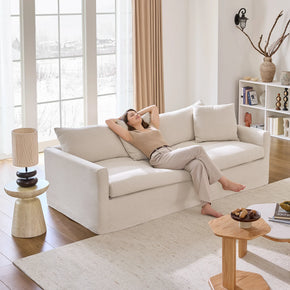
Designing a living room is about more than just arranging furniture—it's about encouraging connection. Whether you’re hosting guests or enjoying a quiet evening at home, the way your space is laid out can foster conversation and create a more welcoming environment.
Define the Zone with a Focal Point
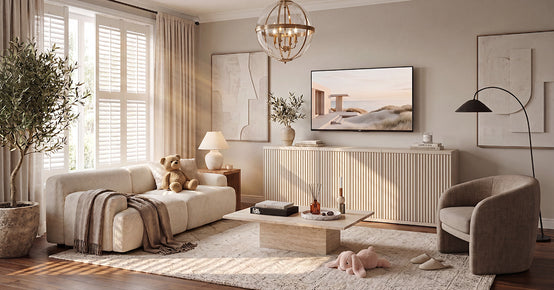
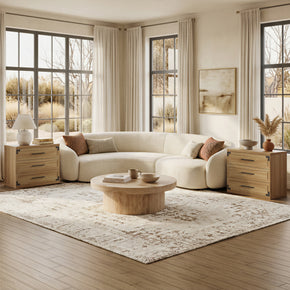
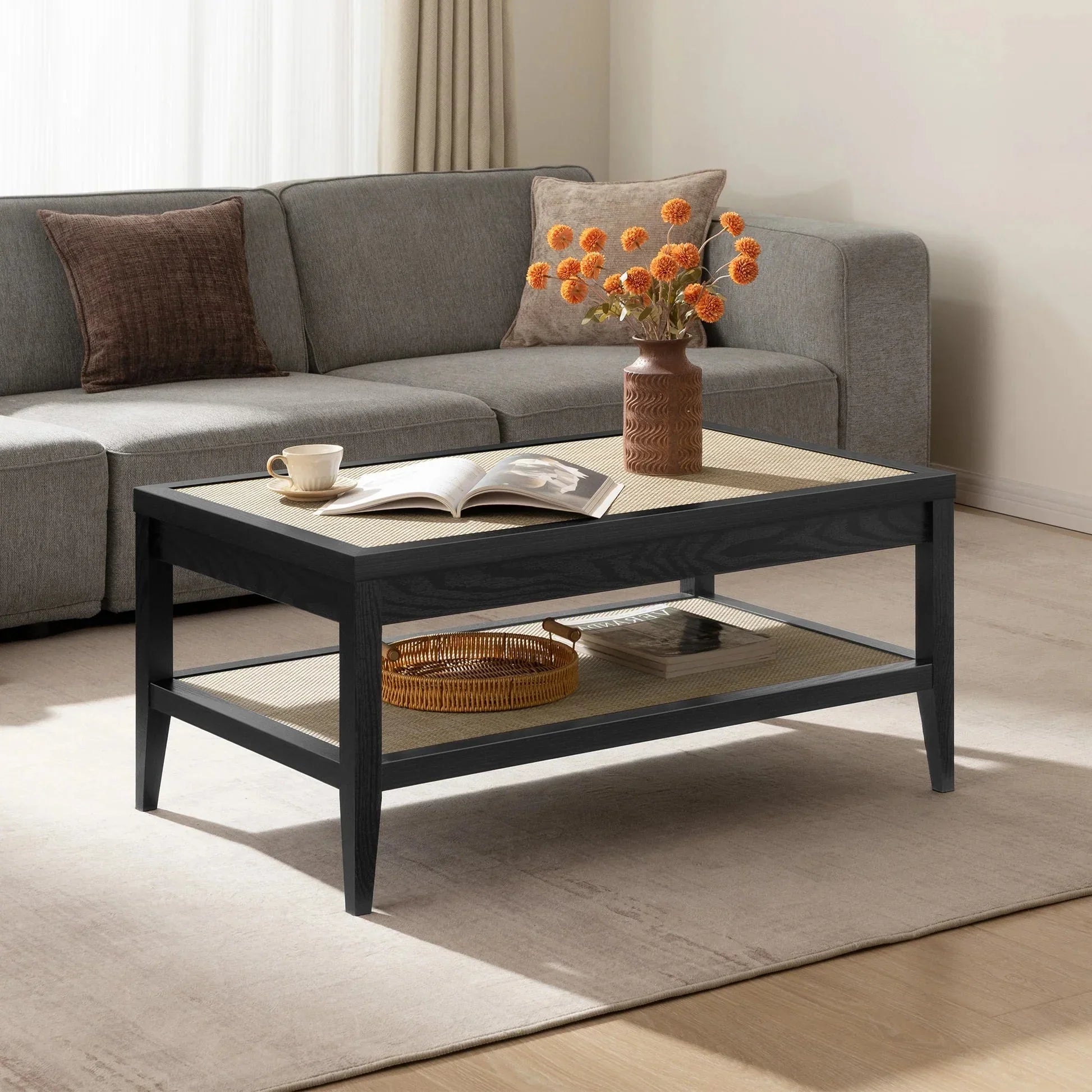
Every conversation zone needs a visual anchor. In most cases, that’s the coffee table. Opt for a table that fits your space and complements the surrounding pieces in tone and texture. A well-chosen coffee table not only grounds the room but also provides a practical surface for books, drinks, or decor.

Play with Pairings
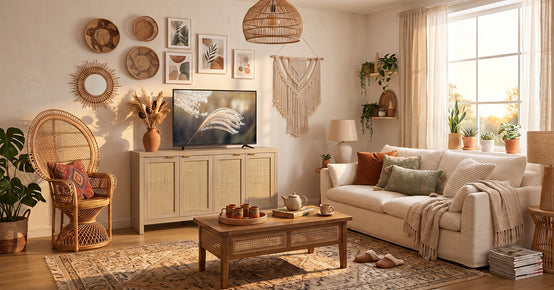
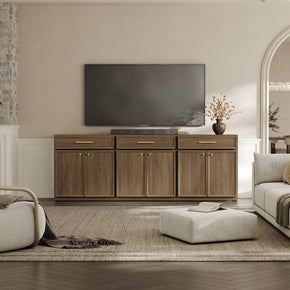
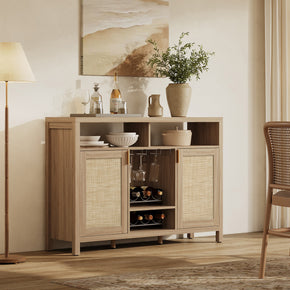
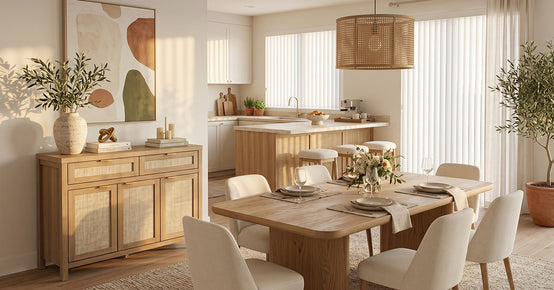
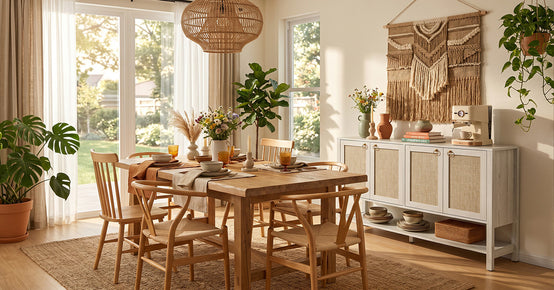
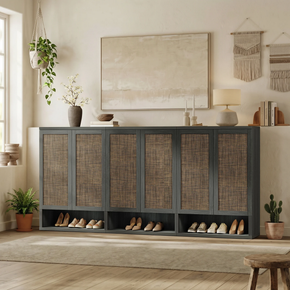
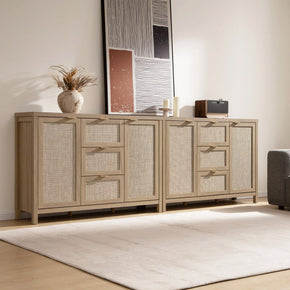
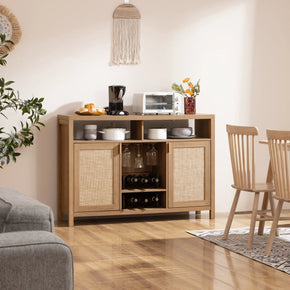
A conversation zone doesn’t need a full furniture set. Instead, mix and match complementary pieces to create a curated feel. Sideboards and buffets placed nearby can double as display areas or even informal serving stations when entertaining.
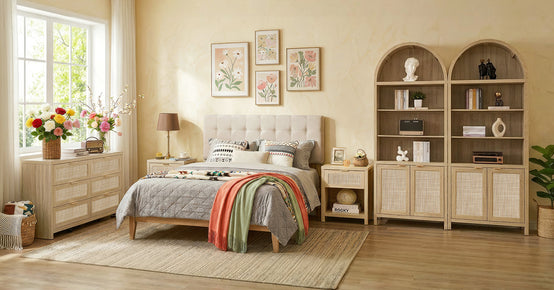
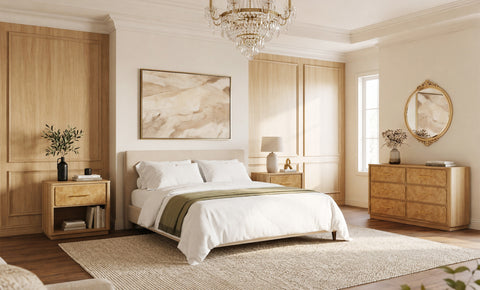
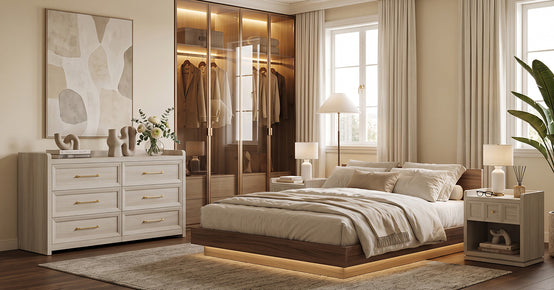
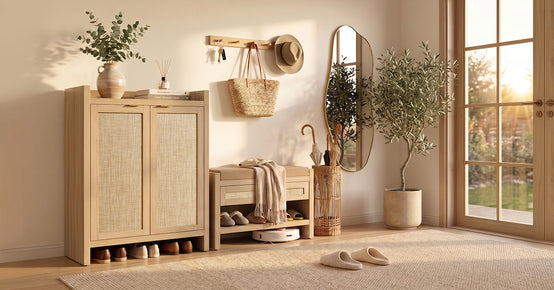
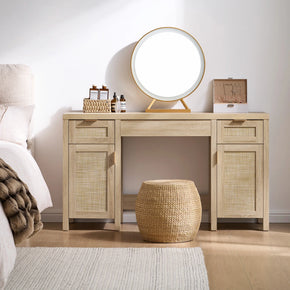
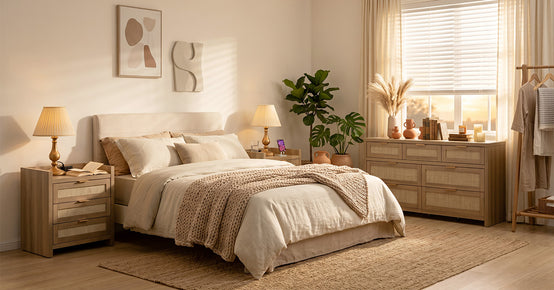
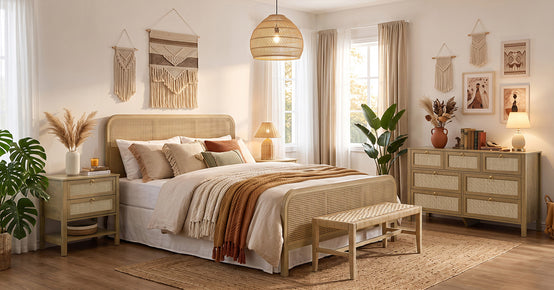
Nightstands can also pull double-duty—compact and stylish, they work beautifully as end tables beside accent chairs or benches, especially in smaller spaces where every inch counts.

Leave Room to Move
While it’s tempting to fill every corner, negative space matters just as much. Ensure there’s enough room to walk comfortably around the coffee table and between seating. This openness keeps the area inviting rather than cramped, and allows guests to move naturally through the room.

Soften the Edges
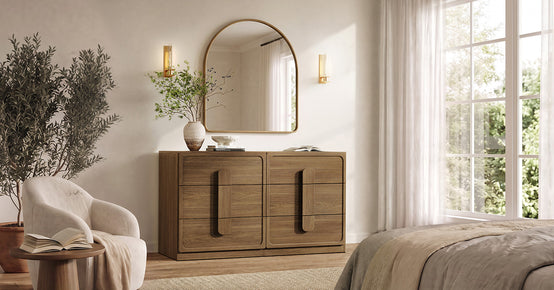
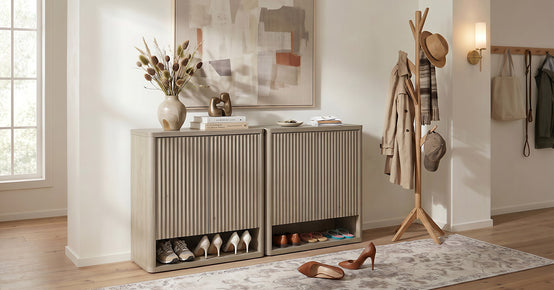
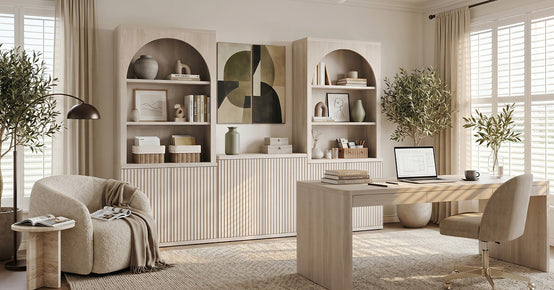
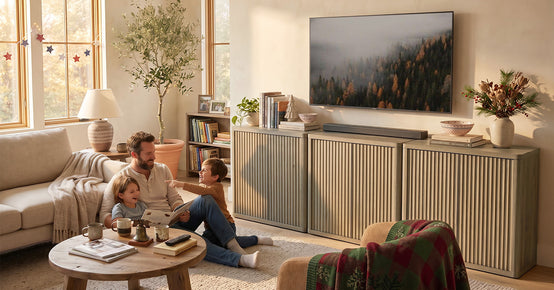
Balance clean lines with softer elements. A rounded-edge coffee table, textured buffet cabinet, or fluted sideboard can introduce warmth and movement to a space that might otherwise feel too rigid. Layering a rug beneath the zone helps visually unify the area and adds softness underfoot.

Elevate with Intentional Accents
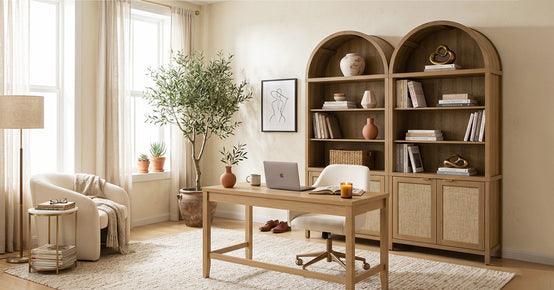
Finish the space with thoughtful touches: a stack of art books on the coffee table, a ceramic lamp on the sideboard, or a small vase on an end table. These small moments of design help bring your conversation zone to life and reflect your personality without feeling overly staged.

A well-designed conversation zone is more than functional—it’s an invitation to slow down, engage, and connect. With versatile pieces and smart layout choices, you can create a living space that works beautifully for your lifestyle.


Looking for something else?

Burl Wood Furniture: The Complete Buying Guide
LEARN MORE
What Is a Hope Chest? Meaning, History, and Modern Uses
LEARN MORE
What Is a Foyer? Meaning, Purpose and Design Guide
LEARN MORE
GREENGUARD Gold Certified Furniture: What It Really Means for Your Home
LEARN MORELooking for something else?

How to Clean a Mirror Without Streaks: Simple Step-by-Step Guide
LEARN MORE
21 Above-Bed Decor Ideas for a Stylish Bedroom Wall
LEARN MORE
Furniture Materials Guide: Picking the Right Material Room by Room
LEARN MORE


Further reading

18 Decorative Storage Box Ideas That Hide Clutter Well

How to Store Comforters Without Losing Space or Loft


