











Entryway Table vs. Console Table: How to Choose the Right One
If you have ever stood in a store puzzling over an entryway table vs. a console table, you are not alone. At a glance, they seem identical. Long. Narrow. Made to sit against a wall. So where do they part ways? Not in the shape. It is the work each one does, and the room it calls home. An entryway table pulls its weight by the front door, holding keys and mail. A console table is the all-rounder. Drop it in nearly any room, and it finds a use. See it like that, and picking one gets simple. Interior design guidance even calls them close cousins. What follows sorts them out by use, size, and placement, then covers styling and an easy way to choose.
What Is the Difference Between an Entryway Table and a Console Table?

The main difference between an entryway table and a console table is purpose and placement: an entryway table sits by the front door as a drop zone for keys and mail, while a console table is a long, slim table that can go almost anywhere to fill a bare wall or sit behind a sofa.
The Main Difference
The whole entryway table vs console table question really comes down to one thing: the job. You know an entryway table by its spot and its chore. Front door, drop zone, first hello. A console works the other way. It is a shape first, long and lean, and that shape goes wherever you send it.
A Simple Rule to Remember

Just want a place to set your keys on the way in? Entryway table. Hunting for something slim to float behind a sofa, or run it down a hallway, living room, dining room, or bedroom? Console. You will find both in ourentryway furniture and console tables collection. Let the job decide, not the tag.
What Is an Entryway Table?

Function drives this one. It works hard day to day, keeps the clutter in check, and warms the doorway before a guest even walks in.
An Entryway Table Is Your Home's Drop Zone
Keys hit it first, after that comes the mail, the wallet, the shades, the bag, the leash, the umbrella. Pretty much whatever your hands are carrying when you walk in, lose that one landing spot, and the pile ends up on the counter or the couch instead.
Where Entryway Tables Are Usually Placed
No riddle in the name. Foyer, front hall, or just inside the door. A mudroom entry counts. So does an apartment entrance or a skinny corridor near the door. First step in the house, that is its turf.
Common Entryway Table Features
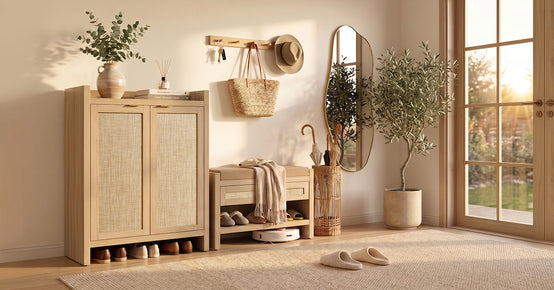
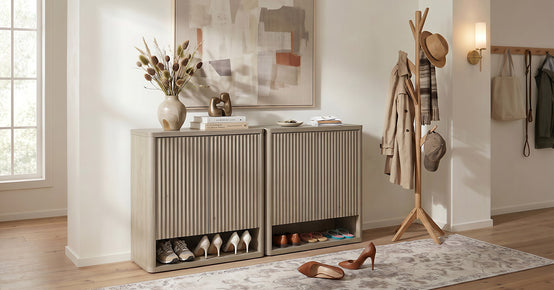
Practical runs the show here. Slim depth, a drawer or two, a shelf down low, baskets underneath, a top that takes a beating. Up top, people add a mirror, a small lamp, and a tray. A few wall hooks nearby wrap it up.
What Is the Purpose of an Entryway Table?

Boils down to two things. Keep the daily stuff in line, and give the doorway some warmth. Keys and mail get a home base, and a mirror plus a lamp soften a plain wall. Want more tucked-away storage than a bare table offers? A drawer-packed piece like the Stria dresser and buffet cabinet picks up the slack.
What Is a Console Table?

This is the bigger, go-anywhere group. Nothing about it ties back to the front door.
A Console Table Is a Long, Narrow Accent Table
Think of a lean table that wants a wall behind it. Slide it behind a sofa. Park it under a painting or a mounted TV. Stretch it down a hall. Still a console every time. The silhouette names it, not the room it ends up in.
Where Console Tables Can Be Used
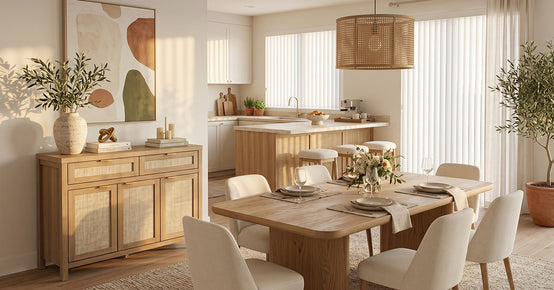
This is the flexible bit paying off. Living room, hallway, dining room, bedroom, behind the sofa, under a wall-mounted TV, under a window, in a big bathroom, even a corner of a home office. One table, a whole list of jobs.
Common Console Table Features
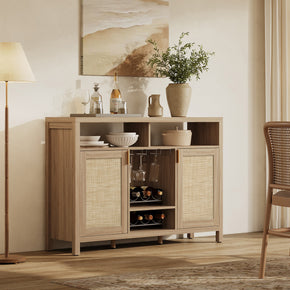
Consoles like a little flash. Long and narrow, yes, but you will often see open shelves, drawers or cabinets, a sculptural base, and materials with some nerve. The size range runs past what an entryway table offers. And the display top can count for as much as the storage down below.
Can a Console Table Go in a Bedroom?

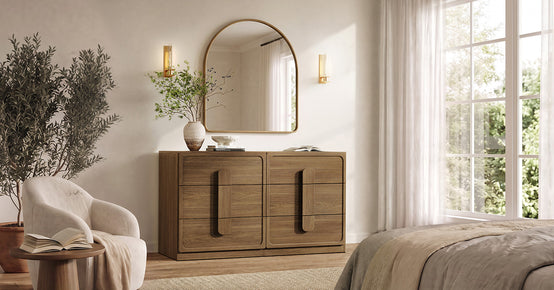
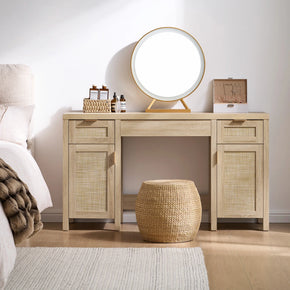
Absolutely, and it is a smart swap. Take that same console into a bedroom, and it turns into all sorts of things. A slim vanity. A little desk. A stand for a small TV. Or a spot to set out your jewelry and a few photos. Stand it beside aCrescent 3-drawer nightstand, and your bedside storage expands without a bulky dresser taking up the wall.
Entryway Table vs. Console Table: Key Differences at a Glance

A quick side-by-side to scan.
|
Feature |
Entryway Table |
Console Table |
|
Main purpose |
Drop zone and first impression |
Flexible display and storage |
|
Best location |
Foyer, hallway, near the door |
Living room, hallway, bedroom, behind the sofa |
|
Typical depth |
10 to 16 inches |
12 to 20 inches |
|
Typical width |
30 to 48 inches |
36 to 72 inches |
|
Typical height |
30 to 36 inches |
28 to 36 inches |
|
Storage style |
Drawers, baskets, lower shelves |
Open shelves, drawers, cabinets |
|
Style priority |
Welcoming and practical |
Decorative and versatile |
|
Best for |
Keys, mail, entry clutter |
Decor, lamps, art, room styling |
Difference by Location
An entryway table has one address: the front door. A console never settles. It might anchor the living room this year, then slip behind the couch the next. Need one clear way to tell them apart? Just watch where each one ends up.
Difference by Function
Entryway tables handle the daily rush and keep things neat. Consoles handle the looks and go where they are wanted. One rescues you from the morning key hunt. The other sets the tone for a whole room.
Difference by Size
Entryway tables stay shallow so the door path stays open. Consoles can run longer or deeper since they usually sit where there is room to spare. Depth is the measurement that really tells them apart.
Is an Entryway Table the Same as a Console Table?

This is the one everybody gets hung up on. The real answer has a catch.
The Short Answer
Not quite the same: an entryway table is a console placed by the front door to do entry work, while a plain console can live anywhere and mostly styles a space. Plenty of entryway tables are, at heart, consoles. Turn it around, though, and it slips: not every console makes a good entryway table. The shape lines up fine. The best use for it does not always tag along.
Why the Names Overlap
Stores hang a whole rack of names on one basic table. Console table, entry table, foyer table, hallway table, sofa table, entryway console table. Same lean shape each time. The name just tracks wherever the catalog shot happened to place it.
What Are Entryway Tables Called?
Plenty of aliases float around. Foyer table, entry table, hallway table, hall table, entryway console table, narrow console table, accent table. Different words, one skinny piece by the door.
What Is Another Name for a Foyer Table?
Entryway table works. So does an entry table, a hallway table, or an entryway console table. The word keeps changing while the job stays put.
What's the Difference Between a Console and a Table?

Fair thing to ask, since a console is a table. Here is how it breaks away from the pieces folks keep mixing it up with.
Console Table vs. Side Table
A side table pulls up beside a chair, sofa, or bed, staying small and low. A console runs longer and stands taller, made for a wall, the back of a sofa, or a hallway. One waits on a single seat. The other shapes a whole space. If you are torn, look at height first. A side table sits around 24 to 26 inches so it lines up with your armrest. A console usually stands 30 to 34 inches, closer to table height, so it reads as a real surface and not an afterthought.
Console Table vs. Sofa Table
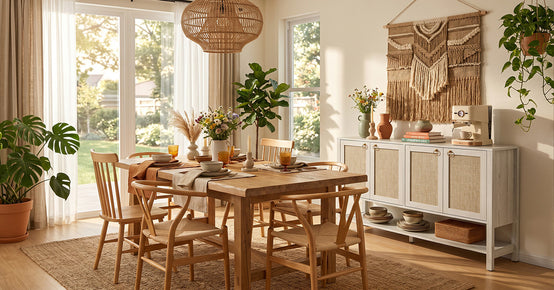
A sofa table sits behind the couch. Most are really just consoles going by another name. This is the classic console table behind sofa setup, and it works because the piece fills the dead space at the back of the room without eating up floor. One thing to watch, though: keep the top level with the sofa back, or a touch below it. Go any higher, and the line looks off. Length matters too. Aim for a console that spans about two-thirds of the sofa. Much shorter and it looks lost. Much longer and it crowds the ends.
A quick note if you are planning a console table behind sofa layout: leave a few inches of gap between the piece and the couch so nobody knocks a knee squeezing past.
Console Table vs. Buffet or Sideboard

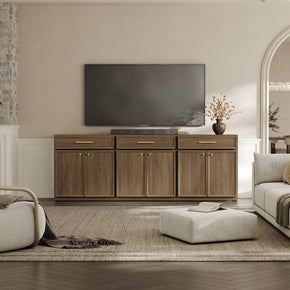
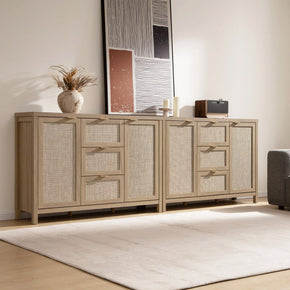
Buffets and sideboards go deeper and heavier, made to hold plenty. A console keeps it slim and leans toward looks. Depth is the fast way to tell them apart. A console runs about 12 to 16 inches front to back, while a sideboard often hits 18 inches or more so it can swallow platters and stacked plates. Need somewhere to keep the dinnerware or the linens? A piece like theSavanna sideboard with 3 drawers and 2 doors holds far more than a slim console ever will.
Standard Entryway Table and Console Table Dimensions

Size is the thing people get wrong most. A couple of numbers keep you safe.
Typical Entryway Table Size
Entryway table dimensions cover a wide band, so here is the range most pieces land in. Widths run all over the place: 30 inches at the narrow end, 48 at the wide end. Depth stays tighter, 10 to 16 inches, and most come up to about 30 to 36 inches off the floor. Got a tight foyer? Stay near the shallow end, 10 to 14 inches deep, so nobody trips over it while walking by.
Typical Console Table Size
Console table dimensions run bigger than most people expect. Width can reach 36 to 72 inches. Depth ranges from 12 to 20 inches. Height stays between 28 and 36 inches. Keep the bigger ones for a long wall, the back of a sofa, or an open room where they can stretch out.
How Much Walkway Clearance Do You Need?
Clearance is the one dimension folks skip, and it matters as much as the console table dimensions themselves. Leave 30 to 36 inches of open floor to walk through. In a busy house, 36 to 42 inches feels better still. Measure the path itself, not just the wall, before you buy.
How Long Should a Console Table Be Behind a Sofa?
Length is the entryway table dimension that trips up a sofa setup most often. Go for half to two-thirds of the sofa length. A console behind the couch looks right in that range. Push it longer, and the ends start poking out past the arms.
When Should You Choose an Entryway Table?

Go with an entryway table when the door zone is the mess you want to get rid of.
Choose an Entryway Table If You Need a Drop Zone
This one is your workhorse for keys and mail. Wallets, small bags, sunglasses, chargers, the dog leash, it all lands here. Stuff keeps going missing? A drop zone right by the door puts an end to the daily hunt.
Choose an Entryway Table If Your Foyer Is Small
They come slim, so a narrow foyer takes one without jamming the path. In a tight spot, that shallow depth is the whole reason to buy.
Choose an Entryway Table for a Welcoming First Impression
Set it up with a mirror, a small lamp, a vase, a tray, and a basket down below. That little grouping is what a guest sees first. It hints at how the rest of the place feels.
Choose an Entryway Table for Busy Family Routines
Families live and die by one dependable landing spot. School bags, keys, permission slips, shades. Put a single table by the door, and the morning quits being a treasure hunt.
When Should You Choose a Console Table?

Console when you want choices and a touch more style past the front door.
Choose a Console Table for a Living Room Wall
A console hands a bare wall a reason to exist. Art, lamps, books, a gallery setup, all of it gets something to rest on. Pull one from your living room furniture range, and that dead stretch of wall becomes a part of the room people actually look at.

Choose a Console Table Behind a Sofa
Float a sofa in the middle of a room, and it can look stranded. A console behind it fixes that on the spot. Line up lamps for a soft glow, a tray for drinks, or a charging station, and the seating suddenly feels rooted.
Choose a Console Table for a Dining Room
In a dining room, it doubles as a serving ledge, a bar setup, or a shelf for glassware and candles. Once the dinner party kicks off, that extra top pulls its weight.
Choose a Console Table When You Want a Statement Piece
Consoles come in gutsier shapes than entryway tables: sculptural legs, fluted wood, glass, metal, mirror. If you want the table itself to be the thing people bring up, a console gives you way more to work with.
Can I Use a Console Table in an Entryway?

Most of the time, yes. It comes down to the size and the features.
Yes, If the Size Fits
A console handles entryway duty fine as long as it stays slim enough for people to slip past. Measure the depth against your walkway before anything else. Still 30-plus inches of open path? Go for it.
Look for Entry-Friendly Features
A foyer-ready console has a few things working for it. Narrow depth. A top that shrugs off abuse. A drawer for keys, a low shelf for baskets, rounded corners, a solid base, and a wipe-clean finish. Those details take a pretty console and make it useful.
When a Console Table Is Not Right for an Entryway
Take a pass if it runs too deep, stretches too long for the wall, feels flimsy, wobbles, or is too precious for real use. A glass display console by a busy front door is one dropped key from a chip.
Entryway Table Styling Ideas
Styling this one is a tug-of-war between looking good and staying useful.
Start With a Mirror and Add a Tray
Put a mirror above it. It opens up a small entry and gives you one last check before you dash out. Then set a tray on top for keys and mail, so the little stuff quits sliding all over the place.
Layer a Lamp, Baskets, and Open Space
Once the sun sets, a small lamp warms the entire entry. Tuck baskets underneath, and they swallow the shoes, umbrellas, and leashes. The part most people forget? Leave 30 to 40 percent of the top clear, because the table still has real work to do.
Console Table Styling Ideas

How you dress a console depends on the room. The spot it sits in changes the whole game plan. Most good console table decor ideas come down to matching what you put on top to where the piece lives.
Style It Behind a Sofa or Against a Wall
Behind a sofa, keep it all low so you are not blocking the view across the room: lamps, shallow bowls, a short stack of books. Against a wall, go tall instead—art up high, a bigger lamp, a mix of heights to keep it interesting. The same entryway table decor rules apply if your console sits by the front door, only there you swap the art for a mirror so people can check their look on the way out.
Here is one way to style a console behind a sofa, step by step:
- Clear the top and wipe it down. Start from zero.
- Set two matching table lamps near each end. Keep them shorter than the sofa back.
- Drop a low tray in the middle for a remote, a candle, or coasters.
- Add one shallow bowl or a short stack of books off to one side.
- Step back and check the view from across the room. If nothing blocks the sightline, you are done.
Use the Three-Object Formula
A trick that never misses. Grab one tall thing like a lamp or vase. Add one medium item, like a bowl or a stack of books. Then one low thing like a tray or candle. Mix the heights, work in trays and baskets, and leave a little breathing room so it never turns into a junk drawer with legs.
Try it on an entryway table like this:
- Put one tall piece on the left. A slim vase with dried stems works great.
- Set a medium item next to it. A small bowl or a stack of two books does the job.
- Add one low thing in front. A flat tray for keys and mail keeps the daily stuff corralled.
- Leave the right third of the table open. That empty space is what makes the whole entryway table decor look pulled together instead of packed.
Best Materials and Styles for Entryway and Console Tables

Everything is made of shapes. The look. The upkeep. How long does it last?
Wood, Metal, Glass, and Mixed Materials
Wood stays warm and never looks dated. Oak, walnut, reclaimed, and it hides scuffs beautifully. Metal and glass feel light and modern, though the fingerprints do show. Mirrored tables add sparkle and spread light, but plan on wiping them often. Wood paired with metal strikes a nice balance.
Popular Entryway and Console Table Styles
Both come in modern, farmhouse, rustic, traditional, industrial, coastal, mid-century modern, minimalist, and glam. Match the finish to what you already have. Then repeat one wood tone or metal around the room so it all feels connected.
What Is an Alternative to a Console Table?

Every so often, a table just is not the fix. These are the swaps worth eyeing, depending on what you need:
- Entryway bench, when you want a seat or shoe storage right at the door
- Floating shelf, for a tiny entry with no floor to give up to legs
- A storage cabinet or chest, when hiding things away, creates a slim look
- Sideboard or buffet, for a dining room or a bigger space that needs serious storage
- Wall hooks and baskets, filling in for a table where the spot is truly narrow
- Small desk or vanity, doubling as a console in a bedroom or office
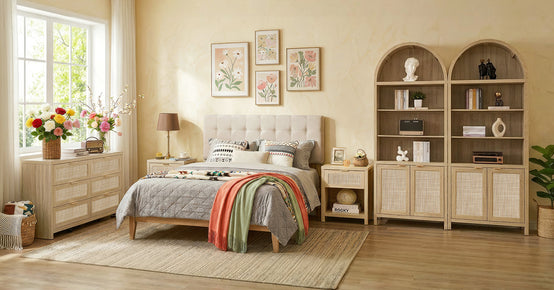
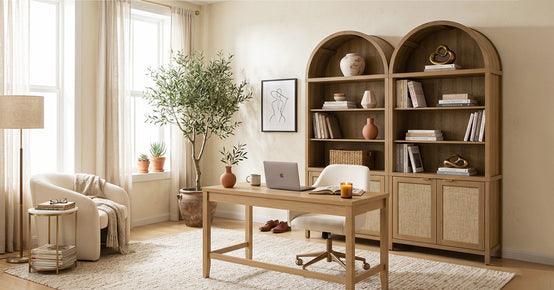
A slim bookcase can pull the same double shift, showing off up top and stashing things down below. The Savanna arched bookcase with doors mixes open shelves with closed cabinets. So it does both jobs without hogging the floor.
Entryway Table vs. Console Table: Which Is Best for Small Spaces?
In a small place, it all comes back to how much floor you can give up.
Slim Entryway Table vs. Flexible Console
A narrow entryway table is the move when you want a drop zone and the floor is tight. A narrow console suits you better when you want one piece that can shift from the entry to the living room to the bedroom over time. Both keep a shallow footprint, so the walkway never gets blocked.
Small-Space Measurement Checklist
Before you buy for a tight spot, run through this:
- Measure the wall width and the walkway clearance
- Check the door swing so the table does not block it
- Confirm drawers can open fully
- Avoid blocking vents, outlets, or closet doors
- Leave room for baskets underneath if you need them
Final Verdict: Entryway Table or Console Table?
The names run together, so skip the label and chase the job. If the front door and the daily shuffle are what are bugging you, get an entryway table: keys, mail, a mirror, a slim drop zone. If you want something that styles and displays all over the place, get a console: behind a sofa, along a living room wall, or over in the bedroom—caught in the middle? A slim, neutral console can serve as a foyer table today and swap rooms down the road. Whatever you go with, measure the space first. Always. The rest handles itself.
Quick Decision Checklist
- Pick an entryway table if your main goal is a drop zone for keys, mail, and daily grab-and-go items right by the door.
- Pick an entryway table if your hallway is narrow and you need a slim depth that won't block foot traffic.
- Pick a console table if you want a piece that can move around and style a sofa back, a living room wall, or a bedroom later.
- Choose a slim, neutral entryway table if you want the flexibility to shift it between rooms down the road.
- Measure your width, depth, and height clearance before you buy, no matter which one you choose.
FAQs
What is the difference between a console table and a foyer table?
A console is a long, narrow table that shows up all over the house. A foyer table is that same shape, parked at the front door to catch your stuff and greet you: same look, different assignment.
Can I use a console table in an entryway?
Yes, so long as it is slim enough to keep people moving past. Look for a tough top, a solid base, and a drawer or shelf if you want a real drop zone.
What are entryway tables called?
Entryway tables answer to several names, all pointing to the same slim piece by the door:
- Foyer table and entry table
- Hallway table and hall table
- Entryway console table or narrow console table
What's the difference between a console and a table?
Table is the big umbrella word. A console is one type under it, usually long and narrow, set against a wall, behind a sofa, or along a hallway.
What is the purpose of an entryway table?
It keeps the daily stuff sorted and gives the doorway a warm hello. Usually it holds keys, mail, wallets, sunglasses, and bags, often with a mirror or lamp up top.
What is another name for a foyer table?
A foyer table answers to a few other names:
- Entryway table or entry table
- Hallway table
- Entryway console table
What is an alternative to a console table?
A few solid stand-ins, depending on the spot:
- Entryway bench, floating shelf, or wall hooks with baskets
- Storage cabinet, sideboard, or buffet when you need more room
- Small desk or vanity for a bedroom or home office
What are the different styles of entryway tables?
You will run into modern, farmhouse, rustic, traditional, industrial, coastal, mid-century modern, minimalist, and glam.
Can a console table go in a bedroom?
For sure. In a bedroom, a console can serve as a vanity, a small desk, a media stand, or a display surface under a mirror or art.
Sources
- The Spruce – Console Table Ideas
- Pop Maison – Console Tables Standard Sizes and Measurements
- Better Homes & Gardens – How to Decorate an Entryway Table
- Real Simple – EntrywayIdeas To Make It Functional
- Homes&Gardens – How to Style a Console Table
- HGTV – Entryway Furniture and Layout Ideas


Looking for something else?

Burl Wood Furniture: The Complete Buying Guide
LEARN MORE
What Is a Hope Chest? Meaning, History, and Modern Uses
LEARN MORE
What Is a Foyer? Meaning, Purpose and Design Guide
LEARN MORE
GREENGUARD Gold Certified Furniture: What It Really Means for Your Home
LEARN MORELooking for something else?

How to Clean a Mirror Without Streaks: Simple Step-by-Step Guide
LEARN MORE
21 Above-Bed Decor Ideas for a Stylish Bedroom Wall
LEARN MORE
Furniture Materials Guide: Picking the Right Material Room by Room
LEARN MORE


Further reading

18 Decorative Storage Box Ideas That Hide Clutter Well

How to Store Comforters Without Losing Space or Loft


