

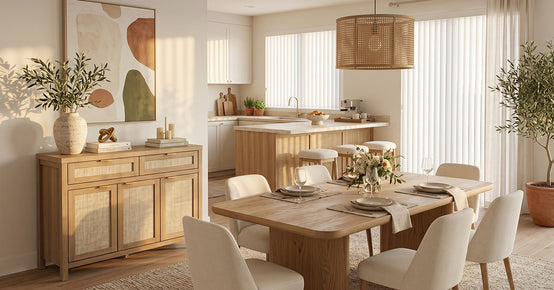
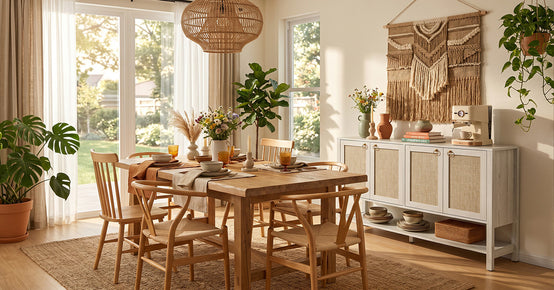



19 Tiny Home Interior Design Ideas to Maximize Small Spaces
Tiny home interior design ideas solve one tough problem: too little space and too much living. Most tiny houses run 100 to 400 square feet. The average American home is around 2,600 square feet. You fit a whole life into a footprint smaller than many living rooms. One wasted corner costs you fast. But a small home can still feel open and calm. It just needs a smart plan. This guide gives you 19 tiny home interior design ideas you can use today.The same ones designers trust inside the tiny house movement. Layout. Furniture that does two jobs. Smart storage. Better light. No filler here. Just what works.
What Makes Tiny Home Design Different?
This is what trips most people up. They treat a tiny home like a shrunk-down version of a normal room. It is not. A small house punishes clutter in a way a big one forgives. Put one oversized sofa in the wrong spot. Block a walkway. Now the whole place feels like a hallway you live in. The rules change. Daily habits come first. Style comes second. You pick fewer pieces. Each one has to earn its keep. Walls, corners, and the dead space under the stairs all count as storage now.
The squeeze is not just a tiny-house thing anymore. Over the past decade, the average new US apartment lost about 9.7% of its size. CoStar, the real-estate analytics firm, is where that number comes from. So these tricks help a renter in a 500-square-foot one-bed just as much as a renter in a 200-square-foot cabin. Same problem. Different address.
None of this means living bare. I have seen 200-square-foot homes that felt warmer than houses five times the size. The difference was discipline. If a thing has no clear job, it usually has no place. Simple as that.
19 Tiny Home Interior Design Ideas That Actually Work
Smart small-space design comes down to a few choices that carry most of the weight. Get those right and a tiny house runs on light, on flow, on storage tucked into the walls, with multifunctional furniture picking up whatever's left. That's the order the 19 ideas below follow, on purpose.
They run from the big calls down to the small touches. Layout and color sit at the top. Personal decor sits at the bottom. Start with what fits your space and your budget. A difference shows up well before you reach the end of the list. Nail the first six and most people stop right there.
1. Plan the Layout Before You Buy Anything

Start with a floor plan. Not a shopping cart. I learned this one the hard way. Bought a chair once that looked perfect online. Then it blocked the only path to my kitchen. Sketch out where you sleep, cook, work, and sit. Then leave clear paths between those spots. In a tiny home, a blocked walkway feels worse than any missing decoration.
Keep your main route wide enough to pass without turning sideways. Group furniture so each zone does one job. A plan on paper costs nothing. It also stops you from hauling home pieces that fit the photo but not the room.
2. Cut the Clutter First

Editing your stuff is the cheapest upgrade in this whole guide. It costs zero dollars. Clutter eats square footage. It also fools the eye into reading a room as smaller than it is.
The one-in-one-out rule helps here. Something new comes home. Something old leaves. Designers often say to keep about a quarter of any shelf empty so it can breathe. A packed shelf reads as a stuffed room every time.
3. Use a Light, Consistent Color Palette

Light colors bounce light around. That makes a room feel open and airy. White, cream, soft gray, pale beige, light wood. Those are your safe base tones for a tiny home. They rarely steer you wrong.
Keep the palette consistent from room to room. Too many shades slice a small home into choppy zones. Bring color in through accents instead. A navy cushion. A rust throw. A walnut tray on the table. Save the bold stuff for small hits. A whole wall of bright color in 250 square feet is a lot to live with.
This quick guide shows base tones and how they read in a small space.
|
Color Type |
Best Use |
Effect |
|
White and cream |
Walls and big furniture |
Bounces light, feels clean |
|
Soft gray and beige |
Sofas, rugs, and curtains |
Calm, warm, low contrast |
|
Pale wood tones |
Shelves, tables, floors |
Natural warmth opens space |
|
Dark accents |
Cushions, art, hardware |
Adds depth in small doses |
4. Choose Multifunctional Furniture

In a tiny home, one piece that does two jobs beats two pieces that each do one. A sofa bed seats your guests. Then it sleeps them. A storage ottoman is a seat, a footrest, and a hiding spot for blankets all at once.
The lift-top coffee table is my favorite example. Pull the top up. Now it is a desk or a dinner surface. Storage hides underneath. That is three pieces of furniture pretending to be one.
Look for a table that keeps a small footprint but holds up to daily use. This space-saving rectangular coffee table is a good fit. It leaves the floor open. You still get a spot for meals, laptop work, or a movie night with snacks. Going with space-saving multifunctional furniture is one of the highest-impact moves you can make, because every dual-purpose piece does the work of two and hands back floor space you didn't know you had.
5. Go Vertical With Storage

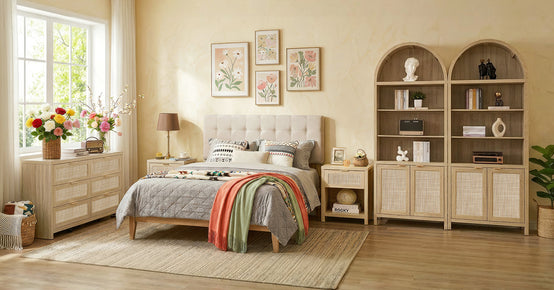
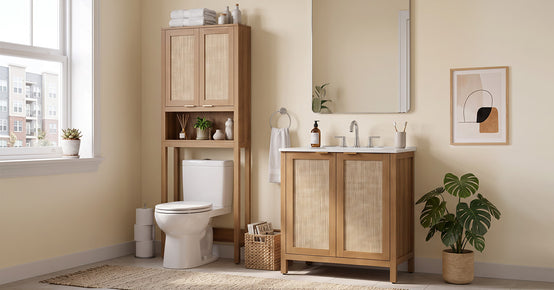
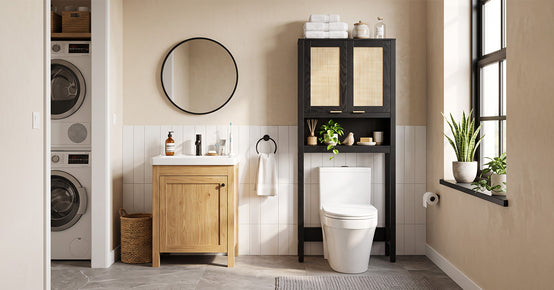
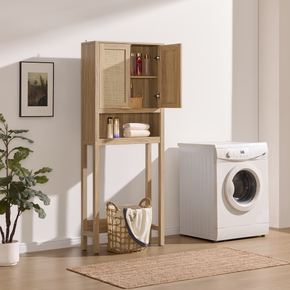
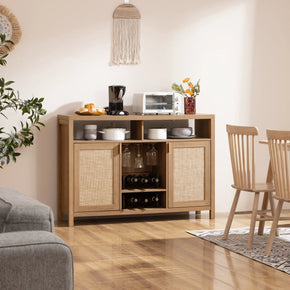
Floor space gone? Build upward instead with vertical storage ideas that put your walls to work. Tall cabinets and floor-to-ceiling shelves put the space above your head to work and free up the floor, so you store more without giving up any walking room.
Shelves are just the start, though. Over-door organizers? They swallow more than you'd ever guess. Pegboards and a row of wall hooks earn their spot in a kitchen or over a desk, too. And the trick nobody mentions is this: lead the eye up the wall and suddenly the ceiling looks taller than it is.
6. Build Storage Into Dead Zones

Every tiny home hides wasted corners. Your job is to put them to work. Drawers under the stairs. Bins under the bed. A bench that flips open. Each one claws back space you were ignoring.
- Under-stair drawers for shoes, cleaning gear, or pet supplies
- Under-bed bins or a lift-up bed frame for linens and off-season clothes
- Window seats and entry benches with lids for hidden storage
- Corner shelves and corner desks for that awkward angle
7. Add a Loft Bedroom

A loft is one of the most common ways to claw back floor space in a tiny house. Lift the bed overhead. The whole area below opens up. Sofa, desk, wardrobe, or a storage wall. Your pick.
Keep the loft furniture low, though. You do not want to crack your head on the ceiling every morning. Mind the ceiling height. Mind the ladder placement, the airflow, and a railing that actually holds. A good loft is more than a mattress on a platform. The difference shows up the first night you sleep up there.
8. Try a Floor Bed or Low-Profile Bed

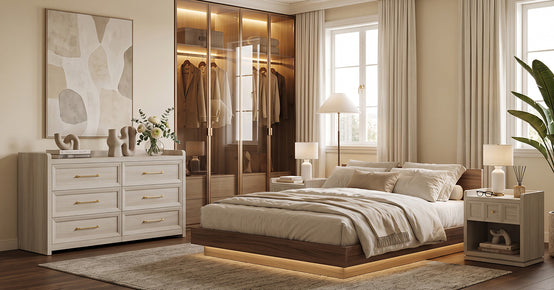
No room for a loft? A low bed does the opposite trick. It works just as well. A floor bed or low-profile frame cuts visual bulk. The ceiling suddenly seems taller.
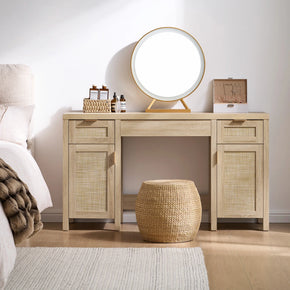
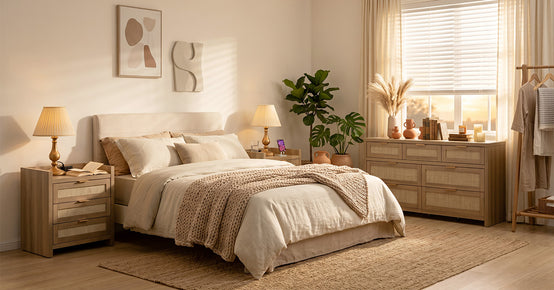
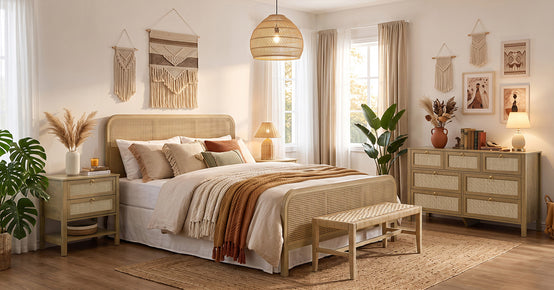
Build the storage around the bed instead of under a chunky frame. Wall sconces free up the surface you would lose to lamps. A narrow table keeps your phone and book close. This compact, slim bedside table has a single drawer. It slides into tight spots without crowding the room.
9. Design a Small but Real Kitchen

A tiny kitchen still has to cook. A galley or one-wall layout keeps everything within arm's reach. It wastes no steps. Put your daily mugs and plates on open shelves. Stash the rest behind closed cabinet doors where nobody has to look at it.
Scale the appliances down to match. Compact fridge. Slim dishwasher. Two-burner cooktop. In a studio or guest house, a cabinet-door kitchen or a simple curtain can hide the whole zone the second you finish cooking. That is a small luxury when your kitchen and living room share the same eight feet.
10. Use Room Dividers That Let Light Through

Open tiny homes sometimes need a little privacy. The catch is splitting a zone without choking the light. You also do not want to box yourself into a closet. A few options do this well.
- Curtains. Cheap, renter-friendly, and easy to slide open
- Folding screens. Movable privacy you can store flat
- Open shelving. It separates zones while light still passes through
11. Pull In More Natural Light

Light is the cheapest way to make a small home feel bigger. Bigger windows pull the outdoors in. Skylights rescue the spots the sun never reaches. Lofts. Bathrooms. That one dark corner every tiny house seems to have.
Renting with windows you cannot touch? Use mirrors. Set one across from a window or just off to the side. Daylight bounces a good six or eight feet deeper into the room than it would on its own. Tall mirrors pull double duty. They drag your eye up. They hand you a sense of height you never paid a contractor for. One warning, though. A wall of little mirrors looks busy, not big. Stick to one or two large ones and stop there.
12. Set Up a Flexible Work Corner

Plenty of us work from home now—even a tiny one. A wall-mounted folding desk drops down when you need it. It vanishes when you do not. Or tuck a desk behind the headboard or the back of the sofa. That borrows space you already paid for.
Light the work zone properly. Wall sconces. A clip light. One small lamp. They keep the desk usable without stealing the surface you need for work.
13. Keep the Living Area Social

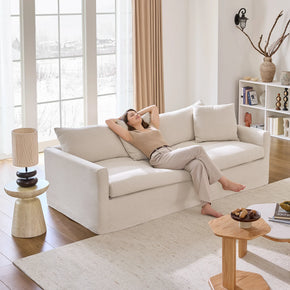
A tiny living room can still throw a decent get-together. Lean on compact seating. A small sofa. Modular pieces you can rearrange. Floor cushions—a couple of foldable chairs. Keep the heavy stuff easy to shift with lightweight stools, poufs, and nesting tables that slide away.
One trick worth stealing from designers. Choose seating with exposed legs rather than skirted bases. When your eye can travel under the furniture, the floor looks bigger. Browse pieces scaled for a small footprint in theliving room furniture for small spaces before you fall for something too deep to fit.
14. Slim Down Your Media Setup

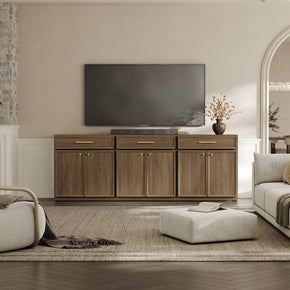
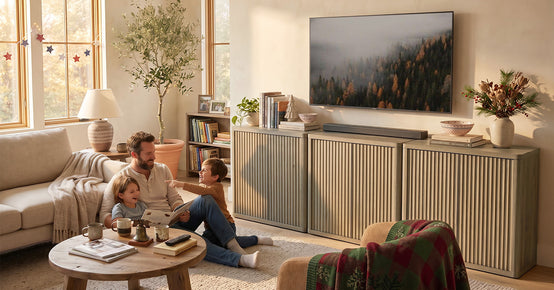
A bulky entertainment center can swallow an entire wall in a small room. Go low and narrow instead. A slim media console holds the gear. It adds storage without looming over everything.
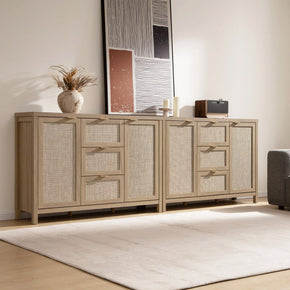
Thiscompact media console for tiny homes hides cables, remotes, and clutter behind closed doors. Mount the TV on the wall above it. Now you're free up even more floor. Two wins from one decision.
15. Organize the Entryway

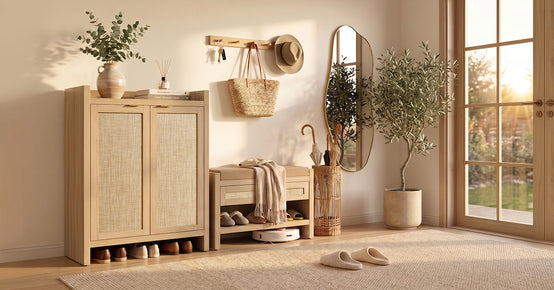
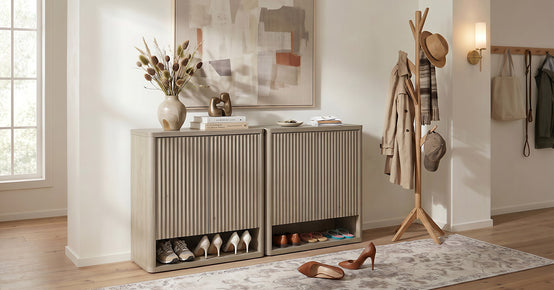
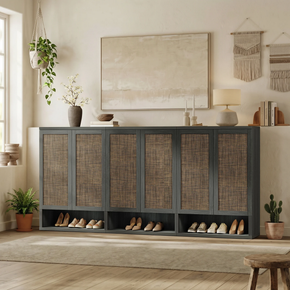
A messy entry sets the mood for the whole place. Shoes piled by the door look cluttered. In a tight hallway, they are a real trip hazard. A slim cabinet keeps the floor clear and your ankles intact.
This slim flip-drawer shoe cabinet sits flat against a narrow wall. It tilts open to swallow pairs without eating depth. Add a few wall hooks above it for keys and bags. Want more entryway ideas? The entryway furniture collection has plenty.
16. Pick Fewer, Properly Scaled Pieces

It feels logical to buy tiny furniture for a tiny home. It rarely works. A pile of small items looks busier and messier than a few right-sized ones, so one well-chosen sofa beats three little chairs scattered around any day.
Measure first. Always. Check the walkways. Check the door swings, the loft height, and how deep the piece sits front-to-back. A sofa that looked fine on screen can eat a whole room once it shows up. And returning it is a nightmare when you live in a place this small.
17. Use See-Through and Reflective Surfaces

Glass and acrylic pull a quiet trick. Your eye passes straight through them. So they fill a spot without reading as heavily. A glass-top table. An open-backed bookcase. Both keep the sightlines clear. And clear sightlines are half the fight in a room this size.
Reflective stuff plays the same game. Mirrors. A glossy cabinet front. A brushed-metal lamp. Anything that throws light around and stretches the depth a little. Go easy, though. Restraint wins here.
18. Add Personality Without Adding Clutter

A tiny home should still feel like yours, not like a hotel room. Use wall art, a small gallery, or a few personal photos to add character. Just do not bury every surface. Tall narrow art is a sneaky trick here. It stretches the wall, making it feel taller.
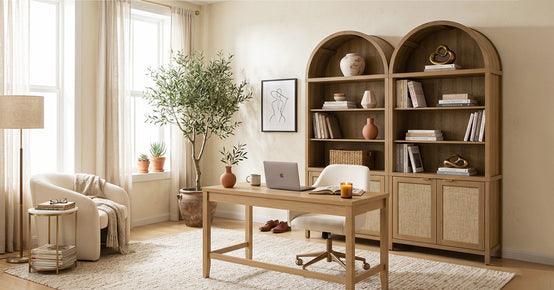
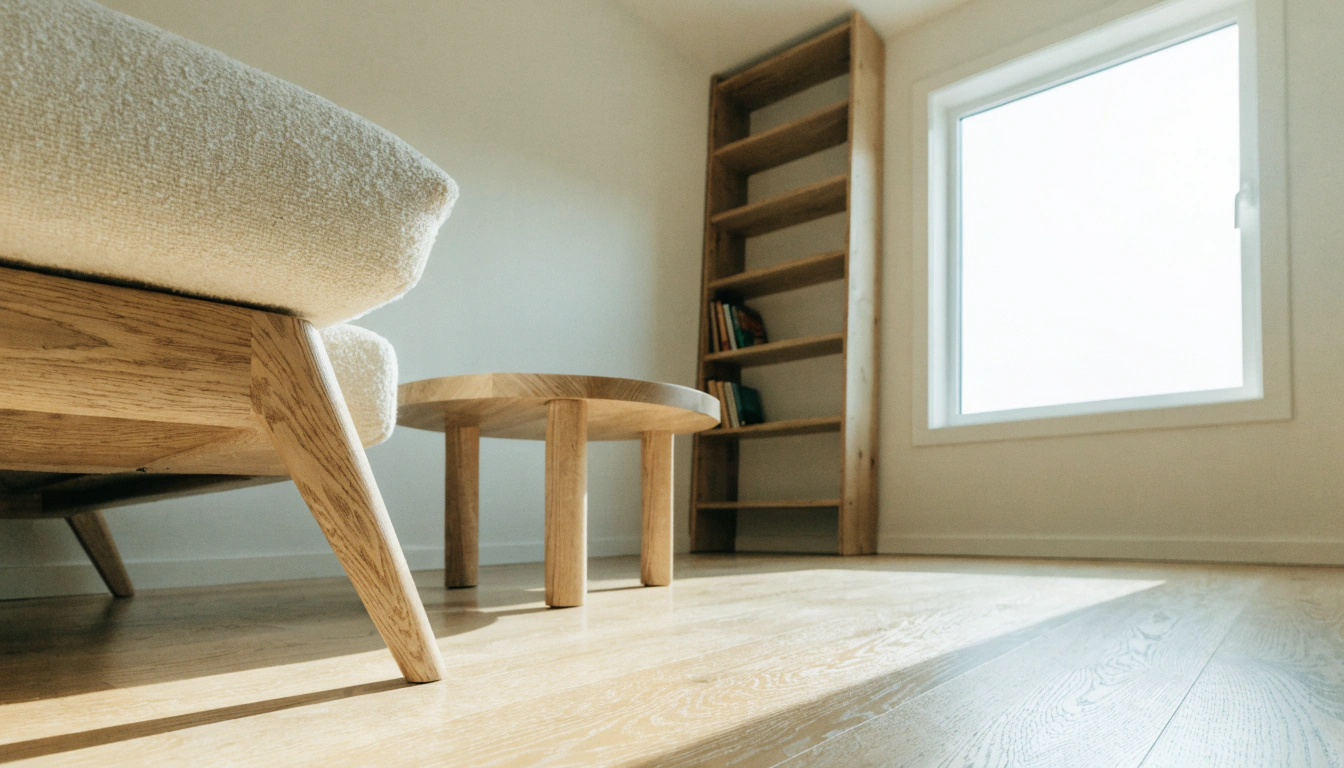
Plants bring life and a hit of color, too. Hang a few planters. Line up some herbs. Scatter small pots on a shelf. And a tall, slim, arched bookcase showcases books and decor while saving vertical space rather than precious floor space. That is the whole idea in a tiny home. Build up, not out.
19. Plan Heating and Comfort Early

Comfort is part of the design. Not something you bolt on later. How you heat a tiny home depends on three things. Your climate. Your power source. Your local code. And truthfully, insulation and decent windows matter more than whatever heater you buy. Your options usually look like this.
- Electric heaters work well for on-grid tiny homes. Simple and compact
- Mini-split heat pumps provide both heating and cooling from a single unit, saving space.
- Propane or wood stoves work for off-grid or rural setups. You just need good ventilation.
Seal your air leaks before anything else. A tight 200-square-foot home stays warm on way less power than a leaky one. The numbers are stark. Some tiny homes get by on roughly 914 kilowatt-hours a year. A normal house? North of 12,000. Most of that comes down to size and insulation, not the heater you bought. Cut corners on sealing, and the winter bill reminds you every month. Insulation, window treatments, and smart layout are all part of tiny home interior design too, since where you place walls, glass, and soft furnishings shapes both how the space feels and how little energy it takes to keep comfortable.
How to Pick Furniture for a Tiny Home
Furniture is the single biggest call you make in here. Get it wrong, and no amount of clever lighting or paint will bail you out. A handful of habits keep you out of trouble.
- Start with your biggest daily need, whether that is sleep, seating, storage, or work.
- Measure walkways, door swings, loft height, and storage depth before you buy.
- Favor hidden storage. Think storage sofas, lift-top tables, trundle beds, and nesting pieces.
- Skip oversized pieces. Deep sofas and big dining tables overwhelm a tiny room.
- Pick exposed legs over skirted bases to keep the floor visible.
Common Tiny Home Design Mistakes to Avoid
Even smart ideas backfire when you push them too far. Watch out for these.
- Designing only around storage, so the home feels like a closet instead of a place to live.
- Buying many tiny pieces that add visual noise rather than calm.
- Ignoring natural light, which leaves dark corners that feel cramped.
- Forgetting privacy in shared spaces, so dividers and sound control get skipped.
- Skipping local rules on zoning, building codes, and utilities before you build or park.
Tiny Home Rules and Legal Basics
This is not legal advice, just a quick lay of the land. Building codes and tiny home rules shape the inside as much as the outside, setting minimum ceiling heights, loft and stair dimensions, and window placement for light and egress, all of which steer your interior layout. Tiny homes are split into two broad groups, and the rules shift depending on which one you have.
Tiny Homes on Foundations
Park a tiny house on a foundation, and it usually gets treated like a small house. That means meeting local building codes—such as minimum ceiling height. Safe exits. Many follow the International Residential Code. It pegs a tiny house at 400 square feet or less, lofts not counted. The same code sets a floor on the ceiling height, too. Habitable rooms have to clear 6 feet 8 inches. Worth knowing before you fall in love with a low-ceiling design.
Tiny Homes on Wheels
A tiny house on wheels, or THOW, often falls under RV or temporary-structure rules instead. That can let you skip the minimum-size requirements. But it boxes in where you can legally park for the long haul. Builders also cap the towable width and height so the thing can go down the road.
Local Zoning Decides the Most
City, county, HOA, and utility rules vary wildly. Some towns roll out the welcome mat for tiny homes. Others quietly ban them. Check your local zoning and land-use rules before you buy land, build, or park anything. It is the boring step that saves people the most heartbreak.
Final Takeaway
Tiny home design is about living better with less and not living with nothing. The real wins are unglamorous. A clear layout. Light colors. Furniture that does double duty. Storage that climbs the walls. Good light. Edit your belongings before you shop, not after. Then make every item earn its place through function, beauty, or both. Do that, and a small home stops feeling tight. It starts feeling clever. And that is a much nicer way to live. For more tiny home interior design ideas, explore space-saving,multifunctional furniture that pulls double duty, so every piece works as hard as the square footage it sits on.
FAQs
What are some tips for designing a tiny home?
The core tips are simple. They work in almost any small space.
- Use multifunctional furniture that does two jobs
- Store things vertically on walls and tall cabinets
- Keep a light, consistent color palette
- Add natural light and mirrors
- Build hidden storage into dead zones
- Create clear zones for sleep, work, and relaxing
What are the features of a tiny home?
Most tiny homes share these traits.
- Compact size, usually 100 to 400 square feet
- An efficient, open layout with few walls
- Small or combination appliances
- Built-in and hidden storage
- Multipurpose furniture
- A simplified, low-clutter lifestyle
What are the rules around tiny homes?
It depends on where you live and what kind of home you have. The rules shift with your city, county, and zoning district. They also depend on whether your home sits on a foundation or wheels. Local building codes and utility hookups matter too. Check your local rules before you build or park. Skipping that step is how people end up moving a finished home twice.
What are the common mistakes in tiny houses?
The usual suspects are poor storage planning, oversized furniture, inadequate ventilation, zero privacy, thin insulation, and ignoring local regulations. They rarely travel alone. Fix the storage, and you often expose the next one hiding behind it.
What are the 7 basic principles of design?
Seven, by the usual count. Balance, contrast, emphasis, movement, pattern, rhythm, and unity. In a tiny home, two of them carry most of the load. Balance and unity. They keep a small space, feeling calm instead of like a jumble sale.
What are common mistakes in small house design?
A handful of slip-ups recur in small house design. Knock out even one or two, and the room opens right up.
- Letting clutter pile up on every surface
- Painting dark colors on all the walls instead of using light tones
- Blocking walkways with furniture that is too big
- Buying too many small pieces that add visual noise
- Ignoring vertical space and leaving tall walls bare
- Forgetting to plan storage before moving things in
How do you heat a tiny house?
You have a few options. Electric heaters. Mini-split heat pumps—propane heaters. Radiant floors. Wood stoves. Which one fits depends on your climate, your power source, and your local code. One thing stays true across all of them. Good insulation and sealed air leaks do more to keep you warm than any heater you can buy.
What defines the tiny house movement?
The tiny house movement is a housing and lifestyle trend. It is built around smaller homes, simpler living, lower costs, and a more intentional use of space. It grew out of a simple wish. Spend less on housing. Own less stuff. Get more freedom in return. Most people trace the modern version to 1999. That is when Jay Shafer built one of the first tiny houses on a trailer. It went mainstream in 2014 with the show Tiny House Nation. The term stuck.
Sources
- Wikipedia – Tiny-house movement
- EBSCO Research Starters – Tiny House Movement Overview
- Sustainable Development Code – Tiny Homes and Compact Living Spaces
- Tiny Home Builders – The Tiny House Movement Guide
- The Tiny Life – What Is the Tiny House Movement
- Never Too Small – Using Mirrors to Expand a Small Home
- RMCAD – The Role of Mirrors in Interior Design


Looking for something else?

Burl Wood Furniture: The Complete Buying Guide
LEARN MORE
What Is a Hope Chest? Meaning, History, and Modern Uses
LEARN MORE
What Is a Foyer? Meaning, Purpose and Design Guide
LEARN MORE
GREENGUARD Gold Certified Furniture: What It Really Means for Your Home
LEARN MORELooking for something else?

How to Clean a Mirror Without Streaks: Simple Step-by-Step Guide
LEARN MORE
21 Above-Bed Decor Ideas for a Stylish Bedroom Wall
LEARN MORE
Furniture Materials Guide: Picking the Right Material Room by Room
LEARN MORE


Further reading

18 Decorative Storage Box Ideas That Hide Clutter Well

How to Store Comforters Without Losing Space or Loft


