

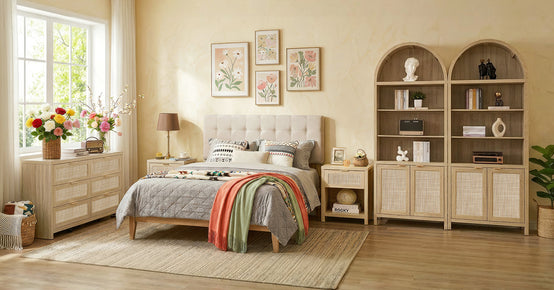
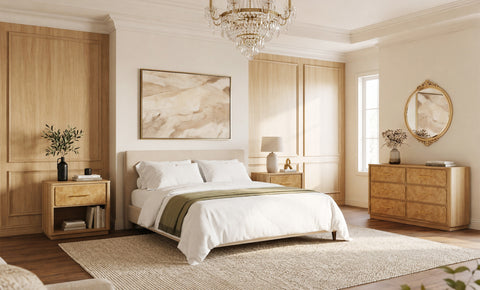
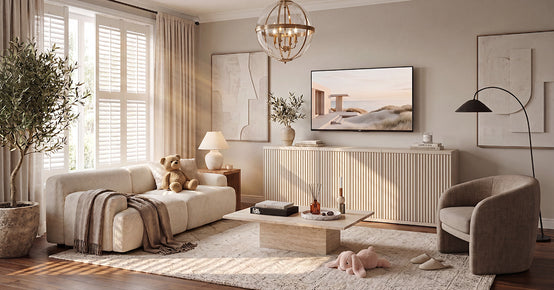
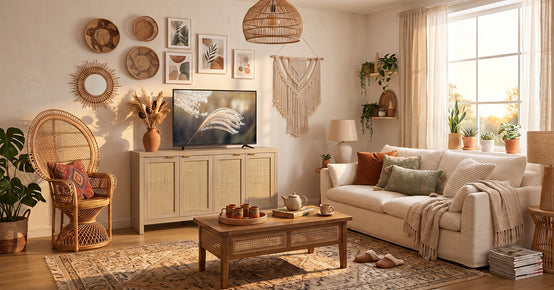
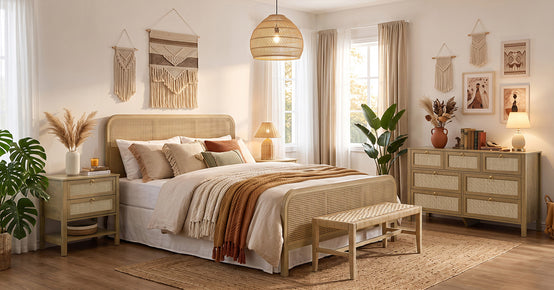



15 Mid-Century Modern Bedroom Design Ideas for 2026
Mid-century modern bedroom design ideas still work because the style was built for rest, not for show. It grew out of the mid-century design movement of the 1940s through the 1960s. Low wood beds. Slim tapered legs. Calm walls with one or two bold accents. Nothing extra, and every piece earns its place. That mix is what makes the room feel quiet and finished at once. So here are 15 ideas you can actually use, plus a quick makeover plan and a buy-first list. Take the ones you like. Leave the rest.
What Is a Mid-Century Modern Bedroom?
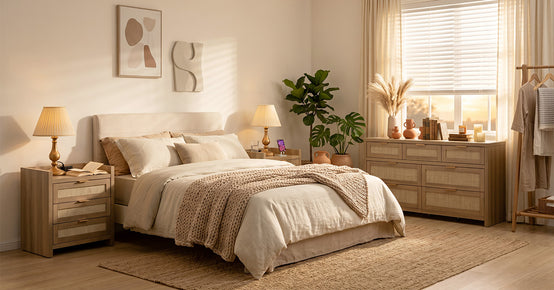
Most mid-century modern bedroom design ideas come back to the same few traits, and you can usually spot them within a few steps. The room runs on warm wood, simple shapes, and a quiet base color. The bed sits low. Storage keeps to the basics. And the lighting? Often it does double work as a little sculpture by the bed. Bring those pieces together, and the whole room feels calm rather than crowded.
Key Characteristics of the Style
A handful of traits turn up in nearly every version of this look:
- Clean lines and hardly any fuss on the drawer fronts or frames.
- Tapered or angled legs that lift each piece off the floor.
- Warm woods on show, usually walnut, teak, or oak, are never hidden away.
- A calm neutral base, lifted by one bold accent color.
- Function comes first here, so every piece has to earn its keep.
Why It Works So Well in Bedrooms
A bedroom needs calm above all else. This style hands you that, and it never tips into cold. Because the furniture sits low, your sightlines stay open, and even a cramped room finds a bit of breathing space. Tuck the late-night mess into hidden storage, and the worry eases too. The warm wood tones? They add something paint never quite manages. And the look holds up, so a full redo in two years is off the table.
Mid-Century Modern vs. Plain Modern Design
Most people treat these two as the same, and you can see why. They overlap. They are not the same look, though. The quick table below should help you spot the difference fast.
|
Feature |
Mid Century Modern |
Plain Modern |
|
Mood |
Warm and a little retro |
Cooler and sleeker |
|
Wood |
Walnut, teak, and oak on show |
Often painted or hidden |
|
Legs |
Tapered, angled, raised |
Boxy or legless |
|
Color |
Neutrals plus bold accents |
Mostly muted, low contrast |
|
Shapes |
Organic curves meet clean lines |
Strict straight lines |
1. Start With a Low-Profile Platform Bed

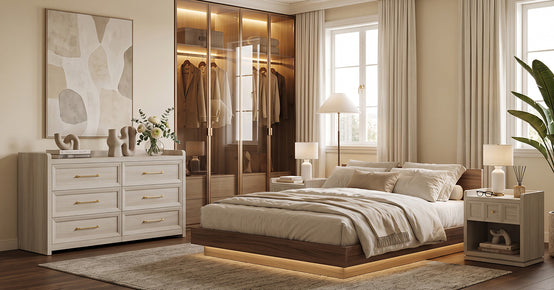
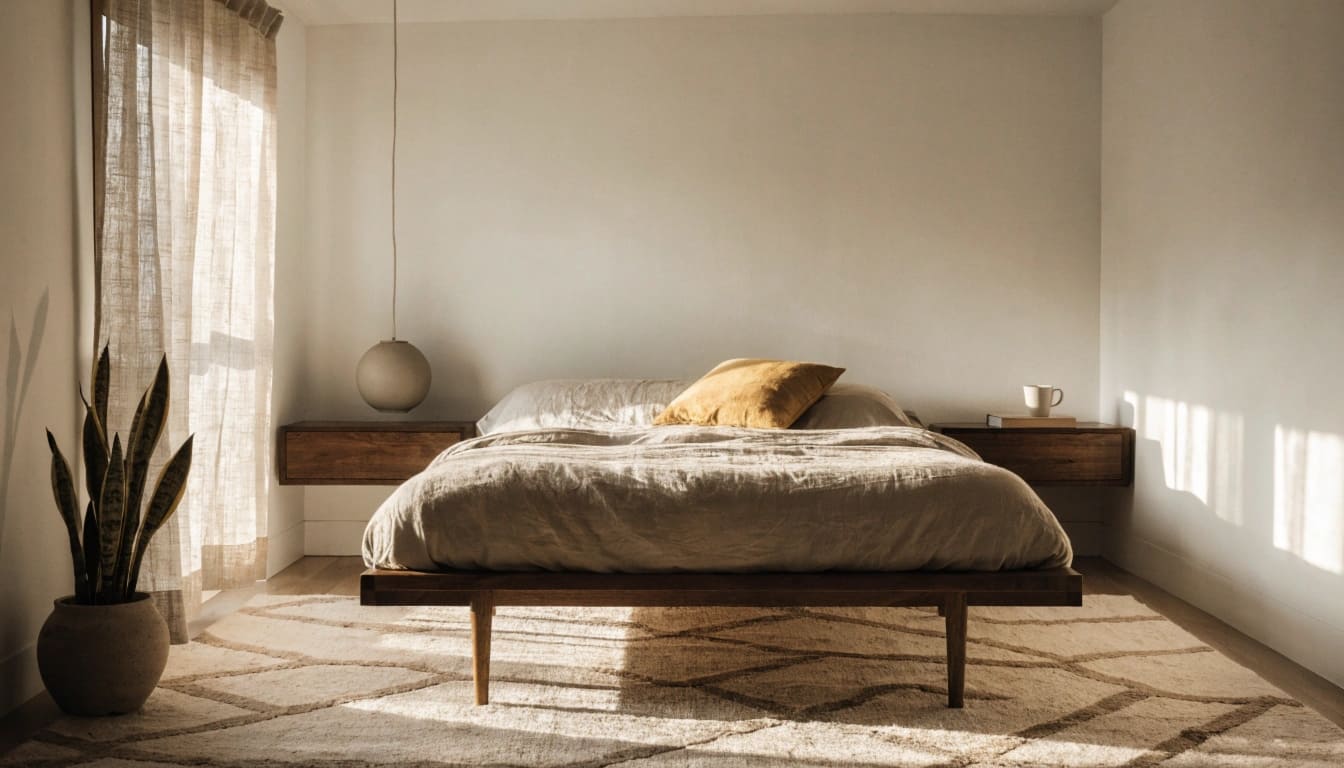
Begin with the bed, since most mid-century modern bedroom setups live or die on this one choice. Think of it as the anchor, because once it lands, the rest of the room falls in line. You want a low frame, close to the floor, with slim, angled legs underneath. That shape alone carries most of the mid-century load.
Pick Wood, Upholstery, or a Mix

Walnut and teak frames feel the most true to the era. Linen or velvet upholstery feels softer and a little more current. Want both? A wooden base with a fabric headboard strikes a nice balance. Starting from scratch? Browse somemid-century bedroom furniture first, and settle on your wood tone before anything else lands in the cart.
Keep the Frame Simple and Grounded
Skip the tall, bulky headboards here. A clean panel or a low slatted back keeps things grounded. The goal is a bed that is part of the floor. Not one that hovers over it.
2. Build on Warm Wood Tones

Looking for the fastest route to a mid-century feel? Wood. One strong wood tone sets the whole mood, and that is before you have added a single accent.
Best Wood Finishes for the Look
Walnut is the classic pick. Teak runs a close second. Oak and honey-toned finishes feel lighter, which is a real help in a smaller room. One thing I always skip, though: heavy gloss. Go matte or satin instead. It shows off the grain and reads far more period-correct.
How to Mix Wood Tones Without a Clash
Pick one dominant wood and let it lead. Then add a second tone in smaller doses, either lighter or darker. Two tones look intentional. Four or five? That just reads like a mistake.
3. Make the Headboard a Focal Point

A strong headboard can carry an otherwise plain room. It pulls the eye first, then makes the whole setup look designed, even when everything around it stays dead simple.
Try an Extended Wood Headboard
A wall-wide wood panel behind the bed reads built-in, almost architectural. Bonus: it gives your floating nightstands something to mount onto, which keeps the whole line clean.
Use Upholstery for a Softer Edge
Velvet, linen, leather, and bouclé all bring texture and quiet color. A paneled or winged shape feels more mid-century than a flat slab does. Keep the color in the warm-neutral family, unless you want the headboard to be the room's one bold note.
4. Float the Nightstands

A floating nightstand is a small move with an outsized payoff. It frees up floor space and lightens the whole room at once. This was a real mid-century habit, by the way, born from tight city apartments where every inch counted.
Why They Suit Small Bedrooms

Wall-mounted tables clear the floor, so the room looks bigger and is easier to wipe down. No wall mount? A slim freestanding piece does much the same job. A clean-lined Ripple Nightstand with a single drawer keeps the top tidy and the footprint small.
Pair With Wall Sconces
Move the light up to the wall, and your tabletop stays clear. Sconces throw a softer pool of light, too, which is far kinder for late reading and winding down.
5. Choose Clean-Lined Dressers and Storage
Storage should back up the calm, not fight it. The right dresser almost melts into the room while quietly doing real work.
Look for Tapered Legs and Flat Fronts

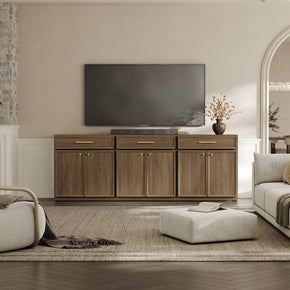
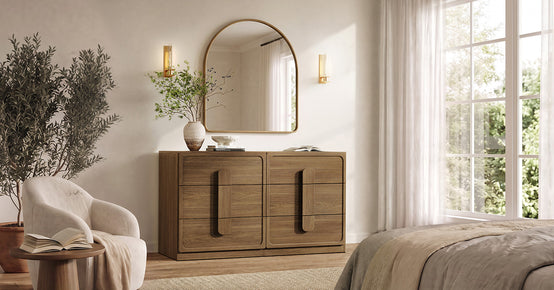
Slim legs, flat drawer fronts, and plain pulls are the giveaway. A long, low shape sits more mid-century than a tall, narrow chest ever will. A goodmid-century modern dresser checks all three boxes, and theSavanna 6-Drawer Dresser is a solid example. At roughly 56.9 inches wide, you get six drawers of tucked-away storage in one low piece.
Let Storage Keep the Room Calm
Hidden storage is the whole point of function-first design. The more you tuck away, the quieter the room reads. My rule of thumb? Keep flat surfaces about half empty, and you are golden.
6. Set a Neutral Base, Then Add Retro Color

Color is where this style gets fun. The trick, though, is restraint. Build a calm base first. Then layer one or two bold notes on top of it.
Best Neutral Base Colors
Reach for white, beige, taupe, cream, oatmeal, soft gray, or warm brown. Any of these pulls their weight here. If you are stuck on where to begin, grab a swatch of Benjamin Moore White Dove or Sherwin-Williams Accessible Beige, and you are on safe ground. Tones like these keep the wood front and center while your accents do the talking.
Best Mid Century Accent Colors
Mustard yellow. Olive green. Burnt orange, rust, navy, teal, and a muted red. Those are the signature hits. Grab one or two. That is plenty, trust me.
Where to Add the Color
Pillows. Throws. A rug, some art, a lamp base, maybe one accent chair. You rarely need to paint the whole room for this. Small doses get it done, and the nice thing is you can swap them out later without much fuss.
7. Add Geometric Pattern, Carefully

Pattern hands the room its retro energy. Push it too far, though, and that restful feeling slips away fast. The fix is simple. Go light on it, and lean on one idea you repeat.
Use Rugs, Pillows, or Wall Art
Each of these is an easy, low-stakes place to test a pattern. Checkerboards, atomic shapes, diamonds, abstract prints. All of them fit the era. Bring in one piece, give it a few days, and then decide whether you want more.
Repeat One Shape for a Cohesive Look
Pick one shape, say arches or circles, then echo it across two or three pieces. A round mirror. A curved lamp. An arched headboard. That quiet repeat ties the room together without forcing everything to match.
8. Choose Sculptural Lighting

Lighting does two jobs at once here. It lights the room, sure, but it also works as a small piece of art. On top of that, it is one of the cheapest ways to signal the style.
Best Lighting Styles for MCM Bedrooms
Globe pendants. Mushroom lamps. Sputnik fixtures, brass sconces, tripod floor lamps. Each one reads mid-century at a glance. Even a single swap shifts the room.
Use Warm Light for a Cozy Mood
Skip the cool white bulbs. A warm bulb around 2700K gives you that soft retro glow. Cold light does the opposite. It flattens the wood and leaves the whole room feeling clinical.
9. Bring In One or Two Vintage Finds

One real vintage piece brings a character that new furniture cannot quite fake. And you only need a piece or two. Everything else in the room can be brand new.
Best Vintage Pieces to Hunt For
Nightstands are a great start. So are dressers, mirrors, table lamps, benches, and small chairs. Those tend to be the easiest wins to track down. They wear in nicely, and more often than not, they run cheaper than buying new.
Where to Shop
Try estate sales, your local thrift stores, Chairish, 1stDibs, Etsy, or Facebook Marketplace. All solid hunting grounds. One tip before you go, though: measure your space first, so you do not haul home something too big to fit.
10. Layer Texture Without the Clutter

Minimal does not mean cold, far from it. Texture is what makes a simple room feel warm and lived in. You are after depth here, not more stuff piled around.
Mix Soft and Hard Materials
Set linen bedding, a wool rug, and velvet pillows next to wood furniture, metal lighting, and leather accents. The push and pull between soft and hard is what makes a room read as designed. For more on balancing mid-century textures, designers recommend layering materials rather than matching them.
Keep the Bed Styling Simple
Fewer pillows. One throw. A clean duvet or quilt, then stop. An over-styled bed only fights the calm that this whole style was built on.
11. Anchor the Room With a Rug

A rug grounds the bed and warms up the floor underfoot. Size matters more than pattern here, by the way. Go too small and the whole room just looks unfinished.
Use this quick guide to match rug size to your bed:
|
Bed Size |
Best Rug Size |
Why It Works |
|
Full / Double |
6 x 9 feet |
Frames the bed in a small room |
|
Queen |
8 x 10 feet |
Leaves rug on three sides |
|
King |
9 x 12 feet |
Balances a wider footprint |
Best Rug Styles for the Look
Low-pile wool. Jute, geometric prints, muted color-blocked rugs. Any of them fit the look. Just keep the pile short under the bed so the frame sits flat and steady rather than wobbly.
12. Add Plants and Organic Shapes

Mid-century design leans hard on nature. A bit of greenery and a few curves soften all those straight lines. Together, they pull the room back into balance.
Best Plants for the Style
Snake plants. Rubber plants, monstera, pothos, cacti, fiddle-leaf figs. All of them suit the look. The first three forgive you fastest when you forget to water.
Use Curves to Soften Straight Lines
Round mirrors. Curved chairs, arched lamps, organic vases. Each one softens the boxy shapes. A room with nothing but straight edges feels stiff. A few curves loosen it up fast.
13. Try a Wood Accent Wall or Paneling
Fair warning, this one costs a bit more. Still, wood on the wall gives a room that architectural, warm quality paint just never reaches. It works best behind the bed.
Full Wall Paneling

Run wood paneling floor to ceiling, and the headboard wall becomes the main event. Set a matching wood piece beside it, say a tall rattan bookshelf with doors, so the tones carry right across the room.
Budget-Friendly Accent Wall Ideas
Reach for peel-and-stick wood panels. Slat walls, a painted geometric wall, and retro wallpaper. Each gives you the effect for less. Renting? Go with removable options you can peel off on your way out.
14. Keep the Layout Symmetrical
Symmetry lends much of the calm to strong mid-century rooms. Matching pairs hand your eye an easy, balanced path to follow around the space.
Match Nightstands and Lighting

Use two of the same nightstands. Two lamps. Two sconces. That repeat reads as order, which is the exact feeling this style chases. For a quick pair, a Crescent Nightstand on each side of the bed does the job with three drawers of storage.
Keep the Bed as the Center Point
Put the bed on the longest open wall when you can. Center it first, then build the symmetry out from there. The room settles almost instantly once you do.
15. Use Dual-Purpose Furniture in Small Rooms

Renting, or just short on square footage? Lean on pieces that pull two jobs at once. The look stays clean, and you lose no storage doing it.
Storage Beds and Benches
Slide spare bedding and seasonal stuff into a storage bed, right under the mattress. Add a bench at the foot for seating, then lift its lid for a bit more room. Both keep your floor clear.
Compact Desks and Slim Dressers

Slim-profile furniture really earns its keep in a tight room. Say your bedroom doubles as a work nook. A compact dresser with clean lines can hold your clothes and serve as a surface, so you can skip buying another piece.
5-Step Mid Century Modern Bedroom Makeover Plan
No need to gut the room here. Follow these five steps in order, and the look comes together on almost any budget. Promise.
Step 1: Lock Your Main Wood Tone
Pick the wood on your bed, dresser, or nightstand first. Every other wood choice in the room answers to it.
Step 2: Set a Neutral Base Color
Choose calm walls and bedding. This is your backdrop, so keep it quiet and let it sit back.
Step 3: Add One Retro Accent
Add one bold color, and only one. Pillows, a lamp, or some art will carry it. Fight the urge to throw in three at once.
Step 4: Upgrade the Lighting
Trade a basic lamp for a globe, brass, mushroom, or sculptural design. For the money, no small buy changes the room more than this one.
Step 5: Edit the Room
Pull out anything that does not earn its place. That edit, more than anything, is what makes the style click.
Best Mid Century Bedroom Furniture to Buy First
On a tight budget, the order you build a mid-century modern bedroom in matters more than most people think. Spend where the visual change hits hardest first. Then work your way down the list from there.
|
Buy-First Order 1. Bed frame: the single biggest visual change in the room. 2. Nightstands: matching or floating pairs make the room feel complete. 3. Dresser: adds storage plus that clean-lined, vintage character. 4. Lighting: lamps and sconces are an affordable way to push the style. 5. Rug and textiles: they soften the room and carry your accent color. |
Common Mistakes to Avoid

A few slip-ups can turn a calm room into a costume set. Watch out for these before you shop for a fullmid-century modern bedroom set.
- Too many retro pieces. A handful is enough. More turns the room into a theme.
- Cold lighting. Cool bulbs flatten the wood and kill the warmth.
- Bulky furniture. Slim legs and low profiles are the whole point.
- Ignoring storage. This style is function-first, so plan where things go.
Final Takeaway
Mid-century modern works in a bedroom because it prioritizes rest. Start with a low wooden bed. Set a calm base. Add one bold accent and a sculptural light. Keep the lines clean and the surfaces mostly clear. You really do not need every idea on this list. Pick three or four, get the wood tone right, and good mid-century modern bedroom design will feel warm and timeless without much fuss.
FAQs
What are the key characteristics of mid-century modern bedrooms?
- Clean lines and low-slung furniture that keeps sightlines open
- Warm woods, walnut and teak especially, often with tapered legs
- A neutral base color carrying one or two bold accents
- Function first, nothing in the room that isn't earning its place
What does a mid-century modern bedroom look like?
Calm, mostly. Uncluttered. A low wood bed anchors the middle of the room, flanked by simple nightstands, with a sculptural light doing double duty nearby. Throw in a few geometric accents and an open layout and you've got the whole look.
Why is it called mid-century modern?
It came up in the middle of the 20th century, roughly the 1940s through the 1960s. The name just points back to that stretch and the modern, function-led design that defined it.
What are the key elements of a modern bedroom?
- Simple furniture and a layout that breathes
- Good lighting, layered rather than one harsh overhead
- Storage that actually hides the clutter
- Calm colors and comfortable bedding to pull it together
What kind of architecture is mid-century modern?
- Open floor plans that let rooms flow into each other
- Big windows, lots of natural light
- Flat or low-pitched rooflines
- Natural materials, with indoor and outdoor space blurred wherever it can be
What colors are best for a mid-century bedroom?
Start with a base of beige, white, taupe, or brown. From there you can layer in an accent or two, olive green, mustard yellow, burnt orange, teal, navy, or a muted red all sit right in the era.
What rug size fits a queen bed in a mid-century bedroom?
An 8-by-10 works for most queen beds and leaves rug showing on three sides, which is what you want. Got a king? Size up to a 9-by-12 to keep things balanced.
How do you describe modern decor?
Clean, simple, function-led, with very little clutter. It leans on form, open space, and honest materials instead of piling on decoration.
Is mid-century modern good for small bedrooms?
It is, actually. Low furniture, floating nightstands, slim legs, all of it keeps sightlines open, and that's exactly what makes a small room feel bigger and calmer than it is.
Sources
- Encyclopedia Britannica, design reference – What Is Mid-Century Modern Design?
- Living Spaces, interior design guide – What Is Mid-Century Modern Style? Guide and Tips
- Hunker, home design resource – Everything You Need to Know About Midcentury Style
- Baird and Warner, real estate and home design – Mid-Century Modern Design Style Definition
- Another Magazine, design and culture – A Brief History of Mid-Century Modern Furniture Design
- Wikipedia, encyclopedia entry – Mid-Century Modern


Looking for something else?

Burl Wood Furniture: The Complete Buying Guide
LEARN MORE
What Is a Hope Chest? Meaning, History, and Modern Uses
LEARN MORE
What Is a Foyer? Meaning, Purpose and Design Guide
LEARN MORE
GREENGUARD Gold Certified Furniture: What It Really Means for Your Home
LEARN MORELooking for something else?

How to Clean a Mirror Without Streaks: Simple Step-by-Step Guide
LEARN MORE
21 Above-Bed Decor Ideas for a Stylish Bedroom Wall
LEARN MORE
Furniture Materials Guide: Picking the Right Material Room by Room
LEARN MORE


Further reading

18 Decorative Storage Box Ideas That Hide Clutter Well

How to Store Comforters Without Losing Space or Loft


