

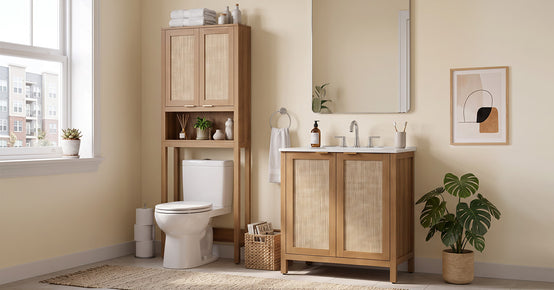
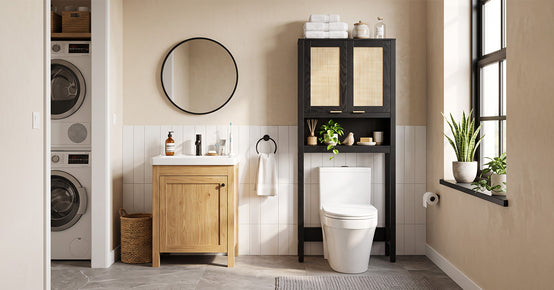



Boho vs Boho Chic: How They Differ in Furniture and Decor
Boho and boho chic overlap far more than most people expect. Editing is the gap between them. Both pull from the same bohemian tradition, and both lean on natural materials, vintage furniture, handmade objects and plants.
Boho keeps the lot. Rugs stacked on rugs, patterns at war, every surface holding something. Boho chic works from the same shopping list and edits it down. Fewer pieces, more restraint, the same materials. Where boho layers, boho chic subtracts.
The labels are commercial rather than regulated, so retailers apply them loosely, and the line between them moves. Treat the difference as a matter of degree, not a category.
Neither one is the upgrade. They suit different tolerances for visual busyness. Below is a comparison of furniture, color, materials, and decor. By the end, you should know which way your own room already leans.
Boho and Boho Chic: The Words First
Worth getting the words straight before the furniture.
Boho Style

Boho is just bohemian shortened. Informal, eclectic, driven by whatever the owner happens to like. Expect collected objects, vintage finds, natural texture, pattern, and plenty of color. The combinations are supposed to look unplanned, and that is not laziness. It is the point.
Boho Chic, Defined

Boho chic hangs on to natural materials, artisan pieces, relaxed shapes, and vintage influence. Restraint is the thing it adds. You end up with more space—fewer patterns pulling at each other, colors that agree, and finishes that look finished.
Boho vs Bohemian: Any Difference?
Mostly the same thing. Boho is a shortened version of bohemian, and in retail and design writing, the two are used interchangeably far more often than not.
Some publications do draw a line. Bohemian sometimes carries more historical weight, pointing back to the artistic and traveling associations the word came from. Boho more often describes the current commercial look. Neither usage is settled, and plenty of writers treat them as one word.
Read what a piece actually describes rather than the label on it. The furniture and the styling tell you more than the term does.
Where the Word Came From, Correctly
Style articles botch this bit constantly. The French word bohemien dates back to the 15th century. People used it for Roma communities because they wrongly believed the Roma had arrived from Bohemia. They had not.
The older word for Roma people counts as a slur to many, and delegates at the 1971 World Roma Congress voted to reject it. Plenty of decor blogs still use it casually. Worth avoiding.
Paris in the 1830s is where the artistic meaning attaches. Henri Murger began publishing his bohemian stories in 1845, then collected them into a book in 1851, and that is what made the idea famous. The word was already four centuries old.
Boho vs Boho Chic, Side by Side

|
Element |
Boho |
Boho Chic |
|
Overall feel |
Free, collected, layered |
Relaxed but polished |
|
Color |
Rich and varied |
Neutral base, selective color |
|
Furniture |
Mixed eras and shapes |
Eclectic but coordinated |
|
Pattern |
Boldly layered |
Controlled, with a common thread |
|
Texture |
Abundant |
Layered but edited |
|
Accessories |
Many and personal |
Fewer and more intentional |
|
Materials |
Rustic, weathered, raw |
Natural with refined finishes |
|
Lighting |
Eclectic and atmospheric |
Warm but streamlined |
The Real Difference Is How Much You Edit
The ingredients match, but the quantities do not. That is the honest summary.
Boho Embraces Abundance

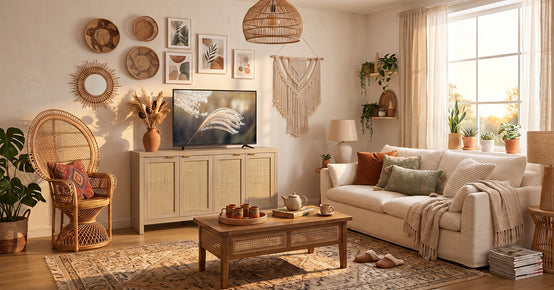
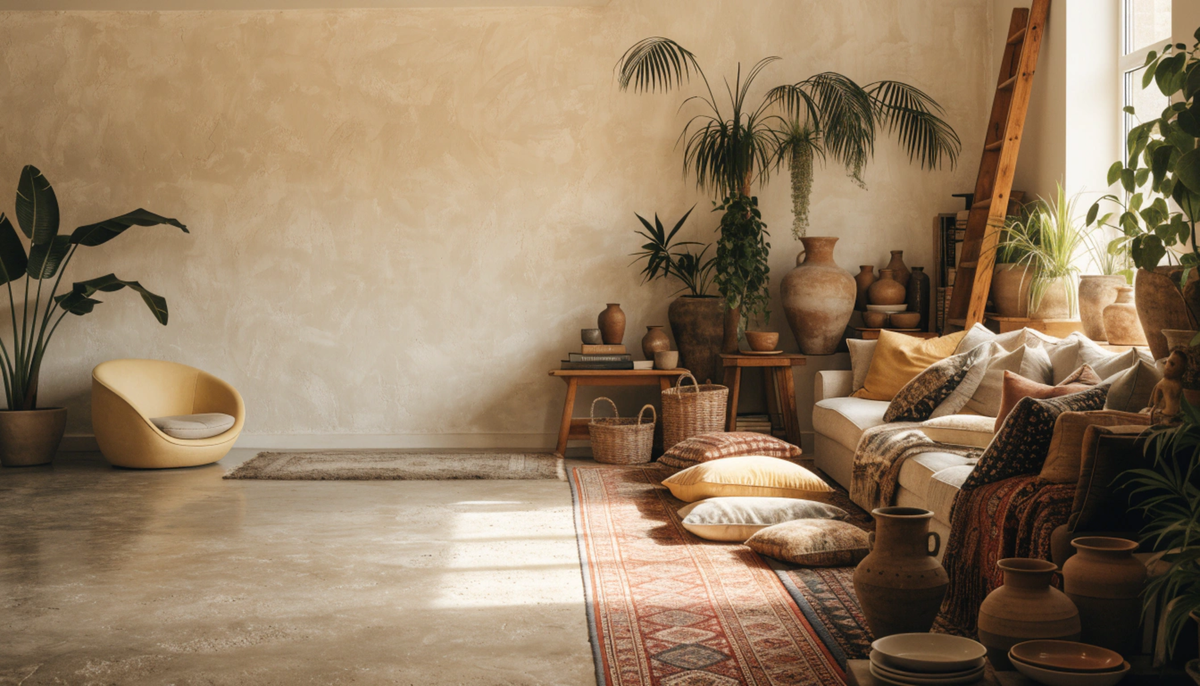
Overlapping rugs. A sofa buried in cushions. Layered art hung at uneven heights. Books, pottery, travel objects, plants at every level. The room should look assembled over years, not ordered in one delivery.
Boho Chic Creates Breathing Room
One patterned rug instead of three. Four cushions instead of eleven. One large plant rather than a dense cluster. A couple of vintage pieces instead of five competing periods.
Warmth intact. Just more air around everything.
Color: Where You Spot the Difference
Walk into a room and color tells you which one you are looking at before anything else does.
Boho Runs Richer

Terracotta, rust and mustard all belong. Saffron and magenta too, alongside teal, turquoise, deep green and proper jewel tones. Warm sits beside cool with no argument. Nobody is checking whether they technically match.
Boho Chic Starts Calm
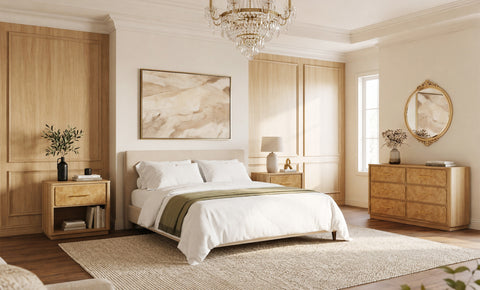
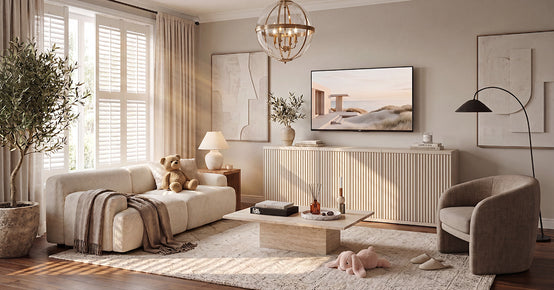
Build the base from cream, warm white, beige, sand, taupe, soft terracotta or muted olive. Stronger color comes in later, in a rug or a handful of cushions. Maybe one piece of art. Maybe a single accent chair.
Try the 70/30 Split
One way to think about it, offered as an exercise rather than a rule anyone else follows. Aim for roughly 70 percent calm base tones and let pattern and saturated color take the rest.
Estimating it is rough by design. Count the big surfaces first. Walls, flooring, and the largest rug are most of your 70, along with the sofa or bed. Cushions, throws, and art make up the rest.
Past that, the room slides toward full boho. No harm done if that was the plan.
Boho vs Boho Chic Furniture Compared
Furniture costs the most, so this is the section worth slowing down for.
Boho Furniture Is Collected, Not Bought

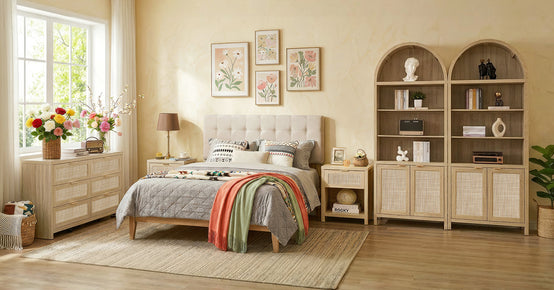
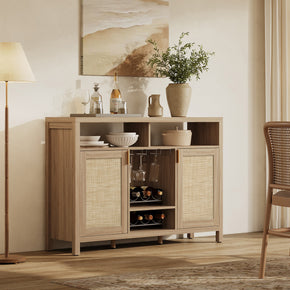
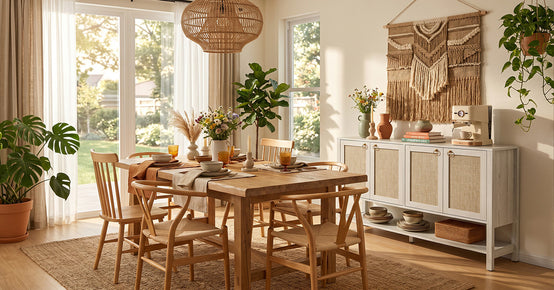
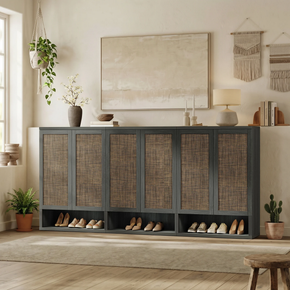
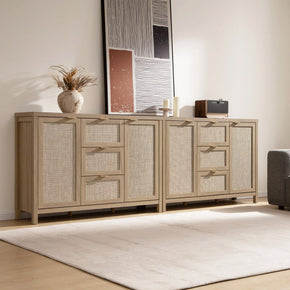
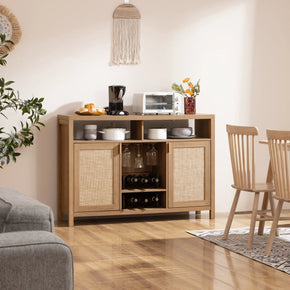
Vintage sideboards. Rattan chairs and low sofas. Carved wood tables, leather poufs, wicker storage, floor cushions, side tables that do not match. Variation is the goal here, so an accent cabinet with rattan panels can sit next to something from a totally different decade and still look right.
Boho Chic Furniture Is Coordinated

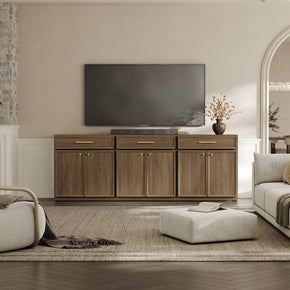
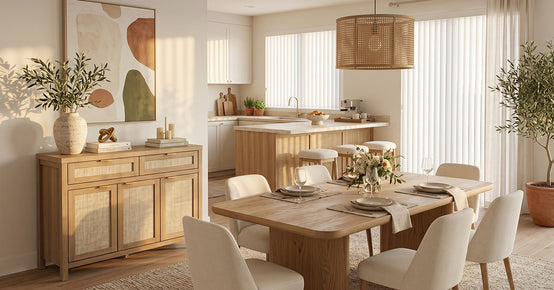
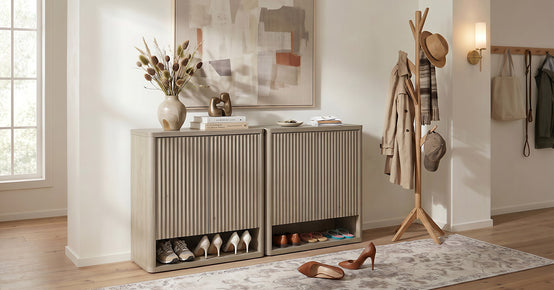
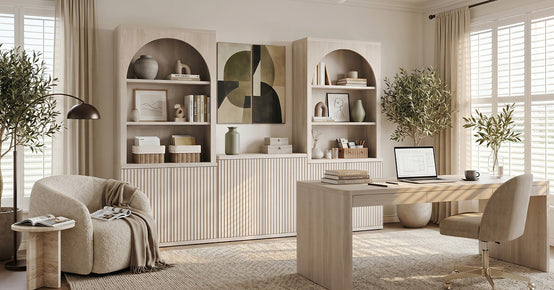
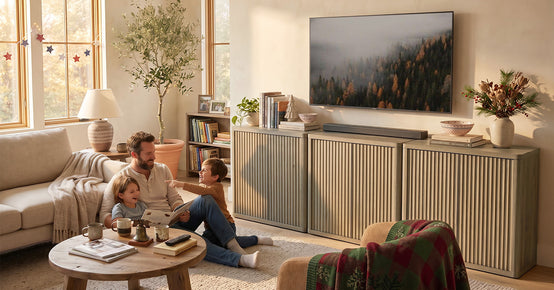
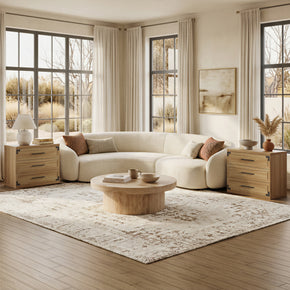
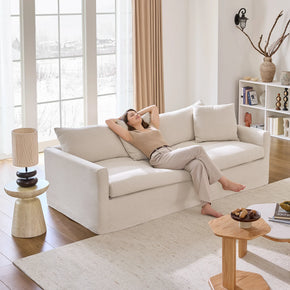
Picture a neutral upholstered sofa with a curved accent chair beside it. A sculptural wood coffee table—one refined woven piece, plus one vintage find that earns its spot. Clean-lined buffet and sideboard designs hold the room down without shouting at everything else.
Pieces can still come from different styles. One thread has to run through them though: a shared wood tone, a repeated material, or furniture at a similar scale.
Soft Shapes Belong in Both

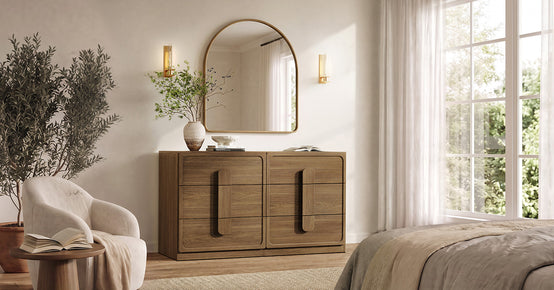
Curves work in either direction. Rounded sofa backs, arched cabinet tops, oval side tables, and round and sculptural coffee tables all reinforce the comfort both styles are built on.
Materials: Rustic in Boho, Refined in Boho Chic
Most style guides miss this. Both looks use the same materials. The finish is what separates them.
Materials Both Styles Share
Wood and rattan, cane and wicker, jute and sisal. Linen, cotton, wool, leather and ceramic.
Rattan appears in both looks constantly. It bends into curves and arches without the joinery a hardwood frame would need, which suits a style built on soft shapes and visible weave.
Bending it is a process, not a property. Species, diameter, moisture content, steam, and the skill of whoever is doing the work all determine what a length of rattan will take. Two pieces from the same vine can behave differently.
How the Finish Changes Everything

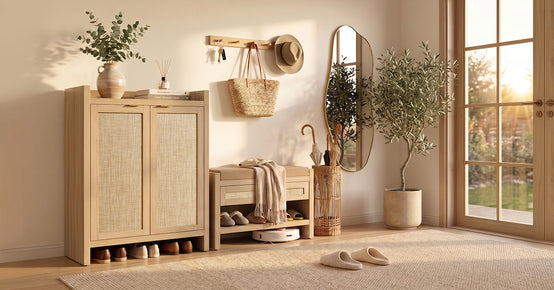
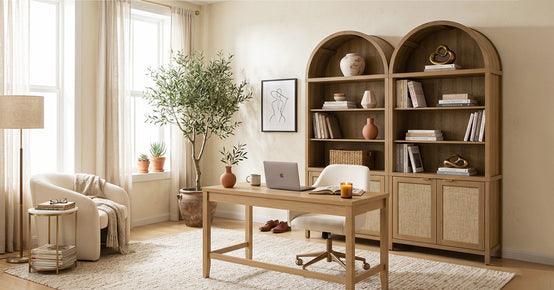
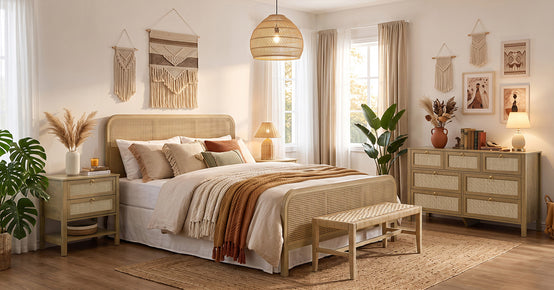
Boho leans weathered—raw linen, rough baskets, patina you can see, handwoven rugs with edges that wander. Boho chic leans smooth, and a tall cabinet with woven door panels makes the point, since the weave is tidy and the frame has clean edges.
Boho chic is not the more expensive option. It is the more selective one.
Pattern and Texture: Loose vs Controlled
Pattern is where rooms go wrong in both directions.
Boho Mixes Freely
Florals beside paisley beside stripes beside geometrics beside a worn vintage rug. Vary the scale so the eye has somewhere to rest. A room of same-size prints goes flat fast.
Repeat One Common Thread

Boho chic still mixes patterns. The difference is that each one shares something with the rest. A repeated color. A similar scale. Or one dominant textile the others answer to. A white rattan-door bookshelf helps here, since a pale frame stops the weave competing with the fabrics.
Texture Matters More Than Print
Texture does the work that pattern does elsewhere, though a pile of materials is not the same as depth. Give them a hierarchy.
Pick one texture to lead. It should cover the largest surface, so upholstery, a rug, or curtains. Add a second that supports it and reads clearly different to the hand, something like jute against linen or leather against wool. Keep a third for accents only, in cushions, a basket, or a lampshade.
Three levels are plenty for most rooms. What makes a room feel layered is the contrast between them and the fact that each one repeats, not how many materials you counted.
Boho chic leans more heavily on texture than boho does.
Decor and Accessories: Collected vs Curated
You can shift a room between the two styles without replacing any furniture.
Boho Decor
- Layered wall art hung at uneven heights
- Vintage objects, books and travel finds on open shelves
- Handmade pottery, macrame, baskets and floor cushions
- Plants at several heights, including trailing and hanging varieties
Boho Chic Decor
- One oversized woven wall piece instead of a gallery of small ones
- A sculptural ceramic vase with space around it
- A short stack of books rather than a full shelf on display
- Two or three meaningful objects, chosen and left alone
Handle Cultural Pieces Properly
Skip the vague word ethnic. Know what you actually own. A Moroccan rug came from somewhere specific, and so did an Oaxacan blanket or a piece of Japanese pottery. Naming the place and the maker beats calling any of it exotic.
Rugs, Plants and Lighting
Rugs
Boho overlaps them, often at an angle. Boho chic sticks to one statement rug, or a patterned rug over a plain jute base, which makes the pattern look chosen rather than accidental.
Plants
Boho goes dense and varied. Boho chic goes fewer and bigger, with sculptural plants in matching pots. Worth being honest about why they are there. Plants earn their place on looks and feel, since environmental agencies are clear that houseplants do very little for indoor air compared with opening a window.
Lighting
Both want warm and soft. Boho grabs lanterns, vintage lamps, woven pendants, several mismatched sources at once. Boho chic picks one instead: a streamlined woven pendant, a sculptural floor lamp, or plain brass fittings.
How to Take a Boho Room Toward Boho Chic

No redecorating required. Work in this order.
Remove Before You Add
Pull out the duplicate accessories and the surplus cushions. Remove baskets nobody uses and any artwork that competes with a better piece. Then live with the gaps for a week before you decide something is missing.
Tighten the Palette
Choose one neutral base. Then two or three accent colors, repeated around the room so the eye keeps finding them. Put anything outside that set elsewhere in the house.
Keep the Texture
Do not strip out the rugs, linen, rattan, plants, and natural wood. The goal is refinement, not minimalism. A boho chic room with no texture is just a beige room.
Upgrade One Anchor Piece

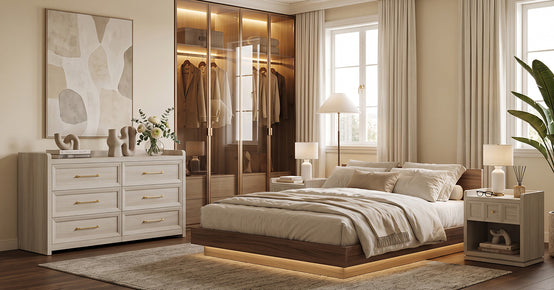
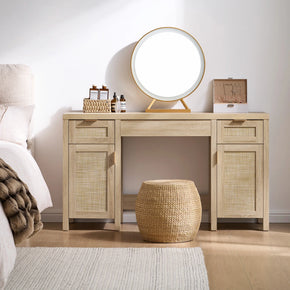
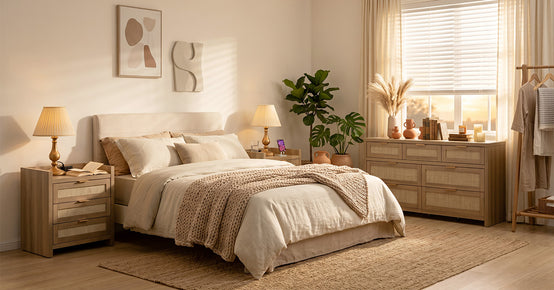
Change the single most visible item and the whole room follows—sofa, rug, lighting, or storage. A four-drawer rattan chest can do that job in a bedroom, replacing several smaller mismatched units at once.
How to Keep Boho Chic From Looking Generic
The risk with boho chic is buying the whole look from one collection. A matching set of rattan accessories is the least bohemian purchase you can make.
Instead, bring in vintage finds and handmade ceramics. Your own art, and books you have actually read. Secondhand furniture, plus work from makers near you. Reclaimed wood works for either look, and certification schemes make responsibly sourced timber far easier to verify than it used to be.
Is Boho Chic Still in Style in 2026?
Yes, though the question is worth splitting. A specific look dates. The ideas underneath it usually do not.
The formula version is what shows its age. A room built from macrame, pampas grass and matching rattan reads as a particular moment rather than a personal space, which is what tends to happen when a style arrives fully assembled.
What holds up is less specific. Natural materials, vintage furniture and personal collections. Warm neutrals and layered texture. Handcrafted objects, curved shapes and plants. None of those depend on boho being fashionable.
Modern boho and a restrained boho chic are where most current styling sits.
Which One Suits Your Home?
Go boho if you want more color and more pattern. Collections on show, furniture that does not match, a room that feels full in a good way.
Go boho chic if you want breathing space and a neutral foundation. Cleaner furniture lines, pattern kept on a leash, a room that stays calm on a bad day.
Real homes usually land between the two anyway. That middle version tends to last longest.
Final Takeaway
Boho is collected, abundant, and instinctive. Boho chic is collected, edited, and coordinated—everything else they share.
This was never a choice between two separate aesthetics. It is a decision about how much color, pattern, layering, and looseness you want around you every day.
FAQs
What is the difference between boho and boho chic?
Boho runs freer—more layers, more color, more of nearly everything. Boho chic uses the same bohemian influences but coordinates them and leaves space around each piece. Both feature natural materials, vintage pieces, and handmade objects. How much you leave in the room is the only real variable.
What does boho chic mean?
Boho chic is bohemian style after a tidy-up. Natural materials stay put, along with the vintage influence, relaxed shapes, and artisan detail. A neutral base holds it together, with fewer patterns and cleaner finishes than traditional boho would ever allow.
Is there a difference between boho and bohemian?
None at all. Boho is the short form of bohemian, and both words cover the same style, whether you are talking interiors or clothes.
Is boho chic still trendy?
Yes, as long as it stays restrained. Natural texture still looks current, and so do handcrafted objects, vintage furniture, warm neutrals and plants. The formula version, piled high with macrame and pampas grass, is what dates a room.
What is the dress code for boho chic?
Relaxed shapes, finished properly. Maxi dresses and flowing skirts work well. Wide-leg trousers and loose blouses in natural fabrics do the same job. Finish it off with restrained jewelry, a leather or suede detail, and colors that hold together.
Which celebrity has boho style?
Credit for the early 2000s boho chic revival usually goes to Sienna Miller and Kate Moss. Both wore vintage and bohemian pieces with sharper tailoring, the boho chic formula summed up in one outfit.
How do you dress boho chic?
Start with one relaxed statement piece: a maxi dress or wide-leg trousers. Layer natural fabrics over it and add something vintage-inspired. Jewelry stays simple. Finish with a single tactile accessory; a woven or fringed bag is an easy option. After that, stop. Most people do not.
Sources
- Encyclopedia Britannica – Bohemianism, Definition, Meaning and History
- Oregon State University Libraries – Reparative Description and the History of a Pejorative Term
- Council of Europe – Descriptive Glossary of Terms Relating to Roma Issues
- Encyclopedia Britannica – Calamus, the Rattan Palm Genus
- Food and Agriculture Organization of the United Nations – Sustainable Supply and Management of Rattan Resources
- US Environmental Protection Agency – Introduction to Indoor Air Quality
- Forest Stewardship Council _ Forest Stewardship Council Certification Explained


Looking for something else?

Burl Wood Furniture: The Complete Buying Guide
LEARN MORE
What Is a Hope Chest? Meaning, History, and Modern Uses
LEARN MORE
What Is a Foyer? Meaning, Purpose and Design Guide
LEARN MORE
GREENGUARD Gold Certified Furniture: What It Really Means for Your Home
LEARN MORELooking for something else?

How to Clean a Mirror Without Streaks: Simple Step-by-Step Guide
LEARN MORE
21 Above-Bed Decor Ideas for a Stylish Bedroom Wall
LEARN MORE
Furniture Materials Guide: Picking the Right Material Room by Room
LEARN MORE


Further reading

18 Decorative Storage Box Ideas That Hide Clutter Well

How to Store Comforters Without Losing Space or Loft


