



6 Drawer Dresser: Size, Storage, and Buying Guide
Six drawers is the sweet spot for most bedrooms, and there's a reason that size keeps outselling everything else. You get enough room to actually sort your clothes — jeans in one place, t-shirts in another, the stuff you only wear in October somewhere out of the way — without ending up with a tall chest that looms over the bed or a wardrobe eating half your wall.
The catch is that not every 6-drawer dresser is built the same. Some have shallow drawers that crush a folded sweater. Some are 60 inches wide when you really needed 48. And almost none of them come with the wall anchor actually attached, even though that's the one thing standing between a loaded dresser and a tip-over.
This guide covers what to look for before you buy — the right width for your wall, how deep the drawers should run, whether six is really enough or you need nine, plus the materials and finishes worth paying a bit more for. By the end, you'll know which 6-drawer dresser fits your room and which ones to skip.
What Is a 6 Drawer Dresser?

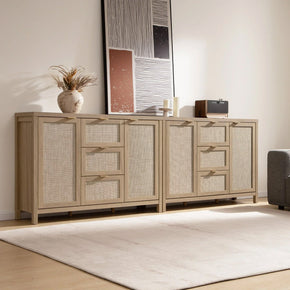
Six drawers, low and wide, sitting against your bedroom wall. That's the shape we're talking about. Most of them stack the drawers two columns by three rows, which is the layout you'll see in maybe 80% of stores. The rest mix it up — a long top drawer with five smaller ones below, or three wide rows running the full width of the piece. Doesn't really matter which arrangement you go with. Six is six.
What throws people is the naming. Walk into one store, and it's a "wide dresser." Next store calls it a "double dresser." Online listings sometimes label it a horizontal dresser, or just lump it under "modern dresser" with no size note at all. Same furniture, three or four different tags. Worth knowing before you start comparing prices across sites and assume you're looking at different products.
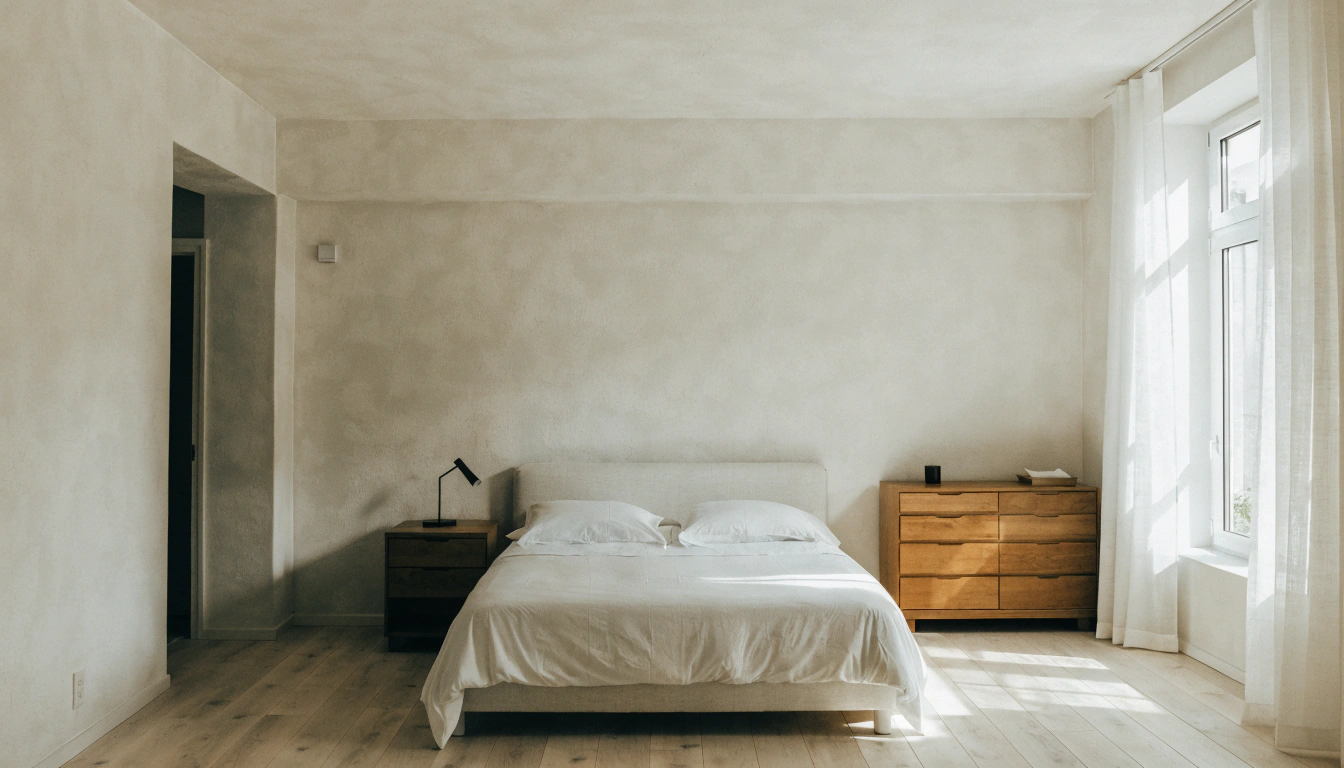
And that low, wide shape? That's actually the whole point, because it does two jobs at the same time. The drawers below take your folded clothes, the pajamas, the kids' stuff you'd rather not have on display, and the flat top up there gives you space for a mirror, a lamp, maybe a small TV if that's your setup. Hidden storage and a surface you can use, all in one footprint, which is honestly why this size shows up in so many homes. It slots right in with the rest of the modern furniture from Sicotas, too, the nightstands, the sideboards, all of it.
Why Choose a 6 Drawer Dresser?
Tall chests give you decent storage, but they take over a small wall, and they're awkward for anyone shorter than about 5'8" — try grabbing a sweater off the top drawer when it's literally above your shoulders. Big armoires and wardrobes? Beautiful, but they swallow half the room. A 6-drawer dresser strikes a balance and doesn't ask you to give anything up to get there.
The drawer count itself is the other piece. Six is the magic number for one simple reason: most people have roughly six categories of folded clothes — socks, underwear, t-shirts, pants, sweaters, and a wildcard drawer for whatever else (mine's pajamas and a confused pile of beanies). One category per drawer means you actually find things on the first try instead of opening three drawers every morning.
Then there's the top. Four or five feet of flat surface, sitting at roughly hip height, doing whatever you need it to. Mirror and a lamp. Tray for jewelry and watches. Small TV. Cluster of framed photos. Try fitting any of that on a 30-inch chest top, and you'll get one item, maybe two crammed. Here's where that matters in real life.
It Offers Balanced Storage

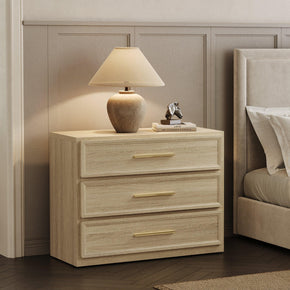
Six separate drawers mean you can quit cramming everything together. Shirts get a drawer. Pants get a drawer. Then there's pajamas, and socks, and that pile of seasonal stuff you only pull out twice a year anyway. A roomy one like the Savanna 6-Drawer Wood Dresser keeps all those categories from blending into one drawer you kind of dread opening, and yeah, your mornings get faster because of it.
It Has a Useful Wide Top
Don't sleep on that top surface; it's prime real estate, and people waste it all the time. You can hang a mirror over it, set down a little jewelry tray, put a lamp there, or just use the whole top as a low TV stand. The point is, it works as hard as the drawers do, so use it.
It Fits Almost Any Room
Primary bedroom, guest room, nursery, a teenager's room, a tiny apartment, I've seen a six-drawer dresser land fine in every one of those. And because it sits low to the ground, it tucks under windows and artwork instead of fighting them for space, which a taller chest just can't do.
It Feels Lighter Than a 9 Drawer Dresser
You still get real storage out of it, don't get me wrong. You just don't end up with this big, heavy-looking piece that swallows the room whole. For most homes, that's pretty much the entire appeal right there.
6 Drawer Dresser vs 9 Drawer Dresser: What's the Difference?

Capacity is the first thing people weigh up, so let's just get into it. A six-drawer dresser gives you balanced storage that suits the average bedroom, and a 9-drawer dresser gives you more compartments to split things into, which is the kind of thing couples and people with big wardrobes tend to want.
But the room size really does decide it in the end. Nine drawers hold more, no argument there, but they also eat up more wall, and they can box in a small bedroom pretty fast. If you actually do need that capacity, though, the Zura Modular 9-Drawer Dresser is worth a look because it stacks the drawers vertically instead of spreading them out sideways, so the extra storage doesn't take up your whole wall.
|
Feature |
6 Drawer Dresser |
9 Drawer Dresser |
|
Storage level |
Medium to high |
High |
|
Best for |
Most bedrooms, single users, and guest rooms |
Large rooms, couples, big wardrobes |
|
Visual weight |
Balanced |
Heavier |
|
Small room fit |
Easier |
Harder |
How to Choose the Right 6 Drawer Dresser Size

This is the step everyone rushes through, and it's the exact one that comes back to bite them. Measure first. I know, it's boring, but five minutes with a tape measure beats packing the thing back up for a return. So before you order from a dresser collection, run through these.
Measure the Wall First
Get the real width of the wall where it's going to sit, and then knock some off for the baseboards, for whatever's already parked nearby, and for any door that swings into that area. Write the actual max width down in inches. Shop to that number, not to a vibe.
Leave Drawer Clearance
You want roughly three feet of clear floor in front of it. That's about what it takes to pull a drawer all the way open and still stand there comfortably, instead of doing that awkward little sidestep every single morning. Skip it, and you'll feel it within a week, trust me.
Match the Dresser to the Room
If the room's tight, stay compact or go narrow. If you've got the space, a wider 6-drawer dresser can anchor the wall,l and it'll look right next to a king bed. Put something small on a big wall, though, and it just reads as, well, lost.
Think About Height and Top Surface
A low dresser plays really nicely under a mirror, or a window, or some art. But if you're planning to set a TV up there, or anything heavy, then check that the top is wide enough and that it's actually built to carry that kind of weight.
6 Drawer Dresser Styles to Consider
The finish sets the whole mood of the room, so it matters as much as how many drawers you get. What you're after is a piece that gets along with your bed and your walls, instead of one that picks a fight with them.
Modern and Mid-Century

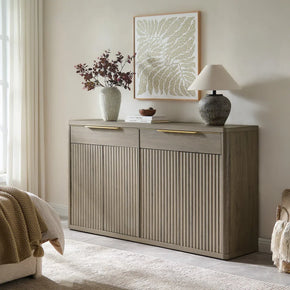
A modern dresser keeps things calm and quiet, so you're looking at clean lines, smooth fronts, and neutral colors. A mid-century one warms that up a bit with tapered legs and a richer wood tone. The Terra White 6-Drawer Dresser is a decent benchmark if you want that bright, low, contemporary kind of feel.
Farmhouse, White, Black, and Wood
Farmhouse brings the rustic finishes and the classic knobs. White keeps a nursery or a small room feeling open and airy. Black grounds a space, and it looks sharp against pale bedding. And plain wood? It just never really dates, and it gets along with pretty much any room you drop it into.
What Materials Are Best for a 6 Drawer Dresser?

Material determines whether the dresser actually lasts and how the drawers feel every time you open one. Solid wood is the heavy, dependable pick; it costs more and weighs more, but it earns it. Engineered wood and MDF are cheaper, and they're everywhere, so the smart thing is to check the drawer slides and the finish before you trust it. Wood veneer kind of sits in the middle, giving you a real-wood face without the solid-wood price tag.
And don't ignore the hardware, which matters just as much as the body does. Smooth-glide or soft-close drawers on proper metal runners, that's the difference between a dresser you like and one that annoys you a little every day. The Cas 6-Drawer Dresser shows the boxes worth ticking, the deep drawers, the quiet glides, and the anti-tip hardware right there in the box. Whatever it's made of, pick something solid, and use the wall anchor if one comes with it.
Best Rooms for a 6 Drawer Dresser

This size travels well beyond just the main bedroom. Stick one in a guest room, and your visitors finally have somewhere to unpack, with the top left clear for towels or a lamp. Put one in a nursery, and it'll hold baby clothes and blankets now; then it quietly turns into a kid's dresser later on, so you're not rebuying anything.
Apartments probably get the most out of it, honestly, since one wide dresser can do the job of two or three smaller pieces. It'll even earn a spot in a hallway for linens or for the seasonal odds and ends. Have a look at the wider bedroom furniture lineup to see how a dresser fits alongside nightstands and beds.
How to Organize a 6 Drawer Dresser

The trick here is picking a layout you'll actually stick with. Top drawers take the small stuff, your socks, underwear, jewelry. The middle drawers are for t-shirts, gym clothes, and the daily basics. And the bottom drawers get the bulk, so jeans, sweaters, anything thick that needs the depth to sit flat.
Two habits do most of the heavy lifting, really. Drop some drawer dividers in so a big drawer doesn't collapse into a heap, and fold things upright instead of stacking them, so you can see everything without digging around. This dresser organization guide from IKEA goes deeper into the boxes and trays and explains how to give each drawer a clear job.
Dresser Safety: Why Wall Anchoring Matters

A loaded dresser is heavy, really heavy once every drawer's full. And the second you pull two drawers open, all that weight lurches forward. Now picture a toddler treating those open drawers like a set of stairs. That's the recipe for a tip-over, and it isn't some rare freak thing either; it happens, and the frustrating part is it's completely preventable.
|
Anchor it. Use the anti-tip hardware or the wall anchor that came with the dresser. Keep the heavy stuff down in the lower drawers. And don't go parking a big TV on a dresser that wasn't built for one. The U.S. Consumer Product Safety Commission's Anchor It! campaign walks you right through the install, and it only takes about 20 minutes start to finish. |
Since September 2023, new clothing storage units sold in the U.S. have had to meet the federal STURDY safety standard, and they ship with an anchor. But anything older that you already own won't have that, so it's genuinely worth going back and securing those, too.
Common Mistakes to Avoid
- Buying before you measure the wall, and then trying to force the dresser into a spot it was never going to fit.
- Forgetting about the three feet of clearance you need in front of the drawers.
- Going with drawers that are too shallow for folded clothes, or a top that's too small for the mirror or TV you had in mind.
- Glossing over the material quality, the drawer glides, and the anti-tip hardware in the box.
- Picking it on looks alone, without ever checking whether it actually holds the stuff you own.
Final Takeaway
A6-drawer dresser is the right call when you want storage that feels generous but never oversized. It handles your daily folded clothes, guest rooms, nurseries, apartments, and most primary bedrooms, all of it without much fuss. Measure the wall, plan out the drawer clearance, check how it's actually built, and use the anchor. Get those four things right, and the dresser just quietly does its job for years, which is honestly all you wanted from it in the first place.
FAQs
What is the difference between a 6-drawer and a 9-drawer dresser?
Storage capacity, mostly. And wall space.
Six drawers cover a single person's wardrobe with room to spare, works fine in a guest bedroom, and slots into one half of a shared room without making the rest of the furniture feel crammed. Nine drawers is a different beast. It's for couples who genuinely share one dresser. It's for anyone who folds more than they hang. It's for big wardrobes that need real sorting, not just "the t-shirt drawer" and "everything else."
What people don't always think through is the footprint. A 9-drawer model runs wider on the floor, and in a bedroom that's already tight, that extra width hurts more than the extra drawers help. My rule of thumb: rooms under 12 by 12, go with six. Bigger than that, you've got options.
Is a 6-drawer dresser enough storage?
For one person? Almost always.
For two people sharing one? That's where it gets murky. Depends entirely on what your closet's doing. A solid closet handling all the hanging stuff means six drawers will probably get you through. No closet, or one of those skinny apartment ones — you'll outgrow it inside a year.
Before you give up on six drawers, though, try dividers. Sounds boring, I know, but most people don't have a storage problem so much as a folding problem. Half your drawer is dead air because everything's just dumped in. Slot in a few dividers, fold things vertically so you can see the whole row at once, and suddenly the same drawer holds twice as much as it did. It's the cheapest furniture upgrade.
What is a good size for a dresser drawer?
The benchmark is simple. A folded sweater shouldn't get crushed when the drawer closes. If it does, the drawer's too shallow.
Most quality dressers run 14 to 20 inches deep on the inside, but raw depth isn't what makes a drawer good. It's whether the depth matches what you're storing. Shallow up top works for socks, ties, jewelry, watches — small stuff that disappears in a deep drawer. The lower drawers should run deeper for the bulky things: denim, knits, hoodies, anything that lives folded.
Don't pick a dresser on outside dimensions alone. Open a drawer. Stick your hand in. Make sure it'll hold what you actually own.
How many drawers should a dresser have?
If you live alone, four to six. Six is the workhorse number because it lets you give each clothing category its own home — socks, underwear, t-shirts, pants, sweaters, and one drawer you decide on later. (Mine's currently a chaos of belts, swim trunks, and one mystery scarf I keep meaning to deal with.)
Couples sharing one dresser usually want seven to nine. The math is roughly four drawers per person, give or take. And here's the part people miss: the more your closet does, the less your dresser has to. A walk-in changes the answer entirely. A reach-in barely does.
What is the golden ratio for drawers?
The golden ratio is approximately 1:1.618, and yes, some designers reference it when working out proportions. It's the same math that shows up in seashells, Greek architecture, and the iPhone screen.
But for a dresser? Nobody's buying one with a calculator. The proportions that matter in real life are way more practical: does it fit the wall, are the drawers deep enough for what you fold, can you open a drawer without smacking the nightstand? Most 6-drawer dressers already read as well-proportioned because that low, wide shape is just naturally easy on the eye. The math happens whether you're tracking it or not.
Where should I put a 6-drawer dresser in my bedroom?
Open wall, every time. Bonus points if there's already something on that wall — a mirror, framed art, a window. The flat top of a 6-drawer dresser was practically built to sit underneath something, and a totally bare wall above it makes the room look unfinished.
A few things worth checking before you commit:
– Three feet of clearance in front so you can fully open a drawer and still stand there comfortably.
– Don't park it under a window you actually open in summer. The dresser back blocks the sash.
– Stay out of the door's swing path. I learned this one the hard way — every guest who came in for two years scuffed the same corner of my old dresser.
– And before the delivery crew clears out, pull every drawer all the way out. Make sure nothing hits the wall, the closet door, or the bed frame. Fixing it now takes five minutes. Fixing it later means dragging 80 pounds of furniture across the carpet.
Sources
- Bob Vila – The Best Dressers for Bedroom Storage
- U.S. Consumer Product Safety Commission – Anchor It! Campaign
- U.S. Consumer Product Safety Commission – CPSC Adopts Final Safety Standard to Prevent Tip-overs of Dressers and Other Clothing Storage Units
- U.S. Consumer Product Safety Commission – CPSC Approves New Federal Safety Standard for Dressers and Other Clothing Storage Units
- U.S. Consumer Product Safety Commission – Anchor It! Campaign Marks 10 Years
- IKEA – 5 Tidy Tips: How to Organize a Dresser
- Bob Vila – 9 Ways to DIY a Dresser on a Dime
- National Council on Aging – How to Prevent Deadly Furniture Tip-Overs


Stay In The Know
Expert advice. Very good deals. The absolute best (and worst) things we've tested lately.
Looking for something else?
Best Vase for Tulips: A Florist's Honest Guide to Shape, Height, and Styling
LEARN MORE
41 Small Outdoor Living Spaces Ideas to Transform Even the Tiniest Patio
LEARN MORE
Modern Sideboard for Living Room: Complete Buying & Styling Guide
LEARN MORE
17 Camel Leather Sofa Decorating Ideas to Transform Your Living Room
LEARN MORERead more from Blogs
Looking for something else?
36 Wall Art Ideas That Make Any Room Feel Finished
LEARN MORE
What is an Ottoman? 8 Reasons Why You Need One
LEARN MORE
How to Sit in Bed With Good Posture: 10 Simple Tips
LEARN MORERead more from Blogs
You may also like


Further reading
What Is a Platform Bed? A Simple Guide to Types, Benefits, and Buying
Bed Sizes Guide: Dimensions From Twin to King