















What Height Should a Nightstand Be? (Bedside Table Height Guide)
When you’re designing your dream bedroom, the big decisions—like the color of the walls or the plushness of the mattress—usually take center stage. But it’s often the smaller details that determine how much you’ll actually enjoy the space. One of the most common furniture-buying dilemmas is figuring out exactly what height a nightstand should be.
It seems like a small detail until you’re tucked under the covers, reaching for your phone or a glass of water, and realize your bedside table is either a towering obstacle or a subterranean shelf. Getting the height right isn't just about "the look"; it’s about ergonomics and daily comfort.
In this guide, we’ll break down the industry standards, the "golden rules" for different bed types, and how to measure your space to ensure your nightstand is a perfect fit.
Quick Rule: Ideal Nightstand Height
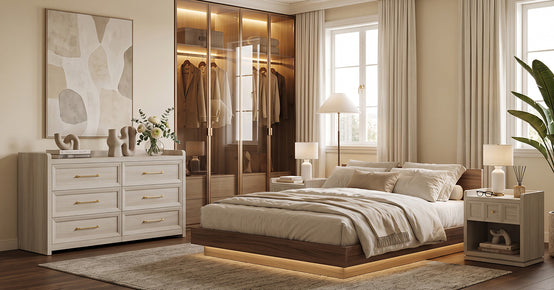
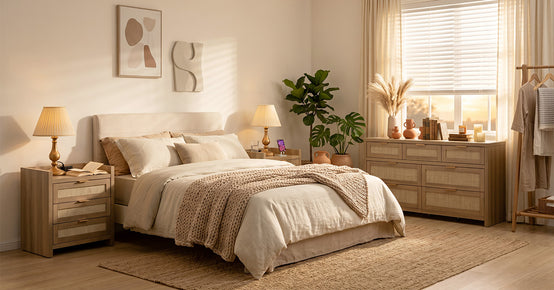
If you want the industry standard, here it is: The top of your nightstand should be level with the top of your mattress.
Why is this the magic number? When your nightstand is flush with your mattress, it creates a seamless horizontal line that is visually calming. More importantly, it allows you to reach for items naturally. Your arm doesn't have to reach up or down—it just moves across.
The Acceptable Range
While "level" is the goal, there is some wiggle room. A nightstand is generally considered a good fit if it falls within 1 to 2 inches higher or lower than the mattress top.
- Slightly Lower: Many designers prefer the nightstand to be about an inch lower than the mattress to keep the bed feeling like the prominent feature.
- Slightly Higher: This is less common but can be useful if you have a very large lamp or if you prefer a "contained" feeling where items won't easily slide onto the bed.
How to Measure Nightstand Height Correctly

Don't trust the measurements on the mattress box—they don't account for the way your bed actually sits in your room. Follow these steps to get your "target height":
- Floor to Mattress Top: Use a measuring tape to measure from the floor to the very top edge of your mattress.
- Include the "Fluff": If you have a memory foam topper, a featherbed, or a particularly lofty duvet that stays on the bed, include that in your measurement. Your nightstand needs to clear the surface you actually sleep on.
- Test the Reach: Lie down on your bed. Reach out your arm as if you are grabbing a book. Note the height where your hand naturally rests. This is your personal comfort zone.
- Check for Plugs: Before you commit, look behind your bed. Ensure your nightstand height won't block the very outlets you need for your lamp and phone charger.
Should a Nightstand Be the Same Height as the Bed?
While being level is the safest bet, your personal style might dictate a different choice.
Same Height Benefits
Matching the height creates a cohesive, high-end hotel look. It also makes it easier to keep your sleep surface organized because there is no "drop-off" between the mattress and the table.
When Lower is Better
If you are going for a minimalist or "Zen" bedroom, a slightly lower nightstand (2–3 inches below the mattress) creates a calmer, more low-profile look. This is especially effective in smaller rooms where you want to keep the "visual clutter" below eye level to make the ceiling feel higher.
When Slightly Higher Works
If you enjoy reading in bed while sitting upright against the headboard, a slightly taller nightstand can be beneficial. It puts your book, glasses, or tea at a height that is easier to reach from a seated position rather than a lying-down position.
Best Nightstand Height for Platform Beds

Platform beds have surged in popularity, but they bring a unique challenge: they sit much closer to the floor. If you put a standard 28-inch nightstand next to a platform bed, it will look like a skyscraper.
Why They Need Shorter Tables
Most platform beds sit between 16 and 22 inches off the floor. Using a tall nightstand here isn't just a visual mismatch; it’s a safety hazard. You’re much more likely to knock things over if you have to reach "up" while half-asleep.
Recommended Height Ranges for Low Beds
Look for nightstands that are specifically labeled as "low profile," usually ranging from 18 to 22 inches in height. If you can't find a table low enough, floating nightstands or wall-mounted shelves are a brilliant alternative. They allow you to mount the surface at the exact millimeter that matches your platform bed.
Best Nightstand Height for Tall Beds
On the flip side, we have the "Princess and the Pea" setups—beds with high-profile frames, box springs, and thick 14-inch pillow-top mattresses. These can sit 30 inches or higher off the ground.
Choosing for Tall Beds
For these beds, you’ll need a taller, more substantial nightstand, typically 28 to 32 inches.
- Pro Tip: When choosing a tall nightstand, prioritize stability. A tall, thin table can be wobbly. Look for pieces with a wider base or those made from solid wood to ensure they stay grounded.
Bedside Table Height vs. Lamp Height

The height of your table determines the "success" of your lighting.
- The Eye-Level Rule: When you are sitting up in bed, the bottom of the lampshade should be roughly at eye level.
- The Lighting Gap: If your nightstand is too short, the lamp will be too low, and the light will shine under your line of vision rather than onto your book. If the table is too tall, the lamp might be so high that the light is blinding.
- Scale: A tall bed needs a tall nightstand and a substantial lamp. A small platform bed needs a low nightstand and a petite or slim lamp to maintain the proper proportions.
Common Nightstand Height Mistakes
- The "Reach-Down": Buying a nightstand that is more than 5 inches lower than the mattress. This leads to constant bending and can even cause neck strain over time.
- Visual Imbalance: Pairing a heavy, ornate headboard with a tiny, short nightstand. The scales will clash, making the room feel "unfinished."
- Ignoring Drawer Clearance: Ensure the nightstand isn't so low that the drawers get caught on the edge of a thick rug or the bed frame itself.
Proportions Beyond Height (Width + Placement)
While height is the primary concern, don't forget the other dimensions:
- Width: A king-sized bed needs a wider nightstand (usually 24–30 inches). A twin or full bed looks better with a slimmer profile (15–20 inches).
- Distance from Frame: Leave about 2 to 3 inches between the edge of the mattress and the nightstand. This gives you room to tuck in your comforter and prevents you from bumping the table when you roll over.
- Drawer Clearance: If your nightstand has doors or drawers, make sure there is enough clearance to open them fully without hitting the bed or a nearby closet.
Shop SICOTAS Nightstands
At SICOTAS, we believe in the philosophy of "Simplicity, Comfort, and Taste." We know that the right nightstand is the one that fits your life just as well as it fits your decor.
Our Savanna Nightstand Collection is designed to hit that "Standard Height" sweet spot, making them compatible with the vast majority of modern bed frames. With a blend of warm wood tones, chic fluted textures, and sturdy gold-accented legs, these pieces bring a "Boho-Modern" flair to any bedroom while providing the perfect ergonomic height for your nighttime essentials.
Ready to find your bedside companion?Explore the Savanna Nightstand Collection →
Frequently Asked Questions
What is standard nightstand height?
The standard height for most nightstands is between 24 and 28 inches. This is designed to pair with a traditional bed frame and mattress height.
How tall should a nightstand be next to a bed?
The ideal target is for the nightstand to be even with the top of the mattress, though 1–2 inches higher or lower is perfectly acceptable.
Can a nightstand be higher than the mattress?
Yes, it can. Many people prefer a nightstand that is 1 to 2 inches taller than the bed, as it makes the surface easier to see and reach while sitting up. However, try not to go more than 3 inches higher, or it may feel imposing.
What height nightstand works best for a platform bed?
For platform beds, look for nightstands in the 18 to 22-inch range. Floating nightstands are also an excellent choice for low beds.
How do I choose the right lamp height for my nightstand?
Aim for the bottom of the shade to be at eye level when you are sitting in bed. If your nightstand is on the shorter side, you may need a taller lamp to compensate.
Final Thought
Choosing the right height for your nightstand is about more than just following design rules—it’s about making your morning and evening routines effortless. Measure your mattress, consider your bed type, and choose a piece that brings both style and functionality to your bedside.


Looking for something else?

Furniture Materials Guide: Picking the Right Material Room by Room
LEARN MORE
How to Mix Wood Tones Without Making a Room Look Mismatched
LEARN MORE
18 College Apartment Furniture Ideas That Save Space and Money
LEARN MORE
Types of Entertainment Centers: 11 Designs and How to Pick One
LEARN MORELooking for something else?

Curio Cabinet Decor Ideas: How to Style a Display Cabinet Without the Clutter
LEARN MORE
Curved Furniture: How to Style, Measure, and Buy It in 2026
LEARN MORE
What Is Rattan Furniture? A Buyer Guide to Types and Care
LEARN MORE


Further reading

How to Choose a Nightstand for a CPAP Machine

How to Choose a Shoe Cabinet for Men's Sizes, High-Tops, and Bulky Shoes


