




How to Pick a Coffee Table (Size, Shape, and Layout Rules)
The coffee table is the unsung hero of the living room. It’s where you rest your morning espresso, display your favorite art books, and let’s be honest frequently rest your feet after a long day. Beyond its obvious functionality, it acts as a visual anchor that pulls your seating arrangement together.
However, choosing the wrong one can make a room feel cramped, disjointed, or impractical. Whether you are moving into a new home or refreshing your current space, knowing how to pick a coffee table requires a mix of mathematical rules and aesthetic intuition. In this guide, we will break down the essential steps to finding a table that fits your lifestyle, your sofa, and your floor plan.
Start With Your Room Layout
Before you start browsing materials or colors, you need to audit your space. A coffee table shouldn't just look good in a catalog; it needs to function within the "traffic patterns" of your home.
Measure Seating Area + Walking Paths
Take a measuring tape and map out the "empty" space between your seating. A common mistake is buying a table that is beautiful but physically blocks the flow of the room. You should be able to walk around your furniture without performing a zig-zag maneuver.
Decide the Primary Use
Be honest about how you live:
- The Entertainer: You need a sturdy, heat-resistant surface for drinks and appetizers.
- The Minimalist: You only need space for a remote and a single candle; a small, airy glass table might be best.
- The "Dinner-in-front-of-the-TV" Type: Look for a larger surface area or a lift-top model.
- The Parent: Soft edges (round or oval) and wipeable surfaces are non-negotiable.
How to Pick a Coffee Table Size

If the table is too small, it looks like an island lost at sea. If it’s too large, the room feels like an obstacle course. Use these three industry-standard rules to get the proportions right:
The Length Rule: ~2/3 of Sofa Length
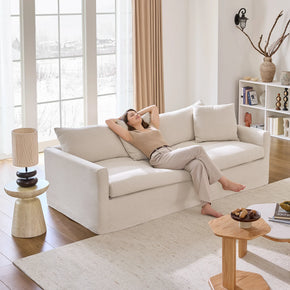
Your coffee table should be approximately two-thirds the length of your sofa. For a standard 90-inch sofa, a table around 60 inches long provides enough reach for everyone sitting down without making the sofa look like it's being "swallowed" by the table.
The Height Rule: Level With Seat Cushions
Ideally, the top of the coffee table should be level with your sofa’s seat cushions or about 1–2 inches lower. If the table is too high, it creates an awkward visual barrier. If it’s too low (a "Zen" style), it can be difficult to reach your glass from a seated position.
The Clearance Rule: 14–18 Inches
This is the most important rule for comfort. Leave 14 to 18 inches between the edge of the sofa and the edge of the table. This is close enough to reach your coffee but far enough to allow for legroom and easy movement.
How to Pick a Coffee Table Shape

The shape of your table should complement the lines of your furniture and the "flow" of the room.
- Rectangle: This is the most popular choice because it fits standard sofas and long, narrow living rooms perfectly. It provides the most surface area for decor.
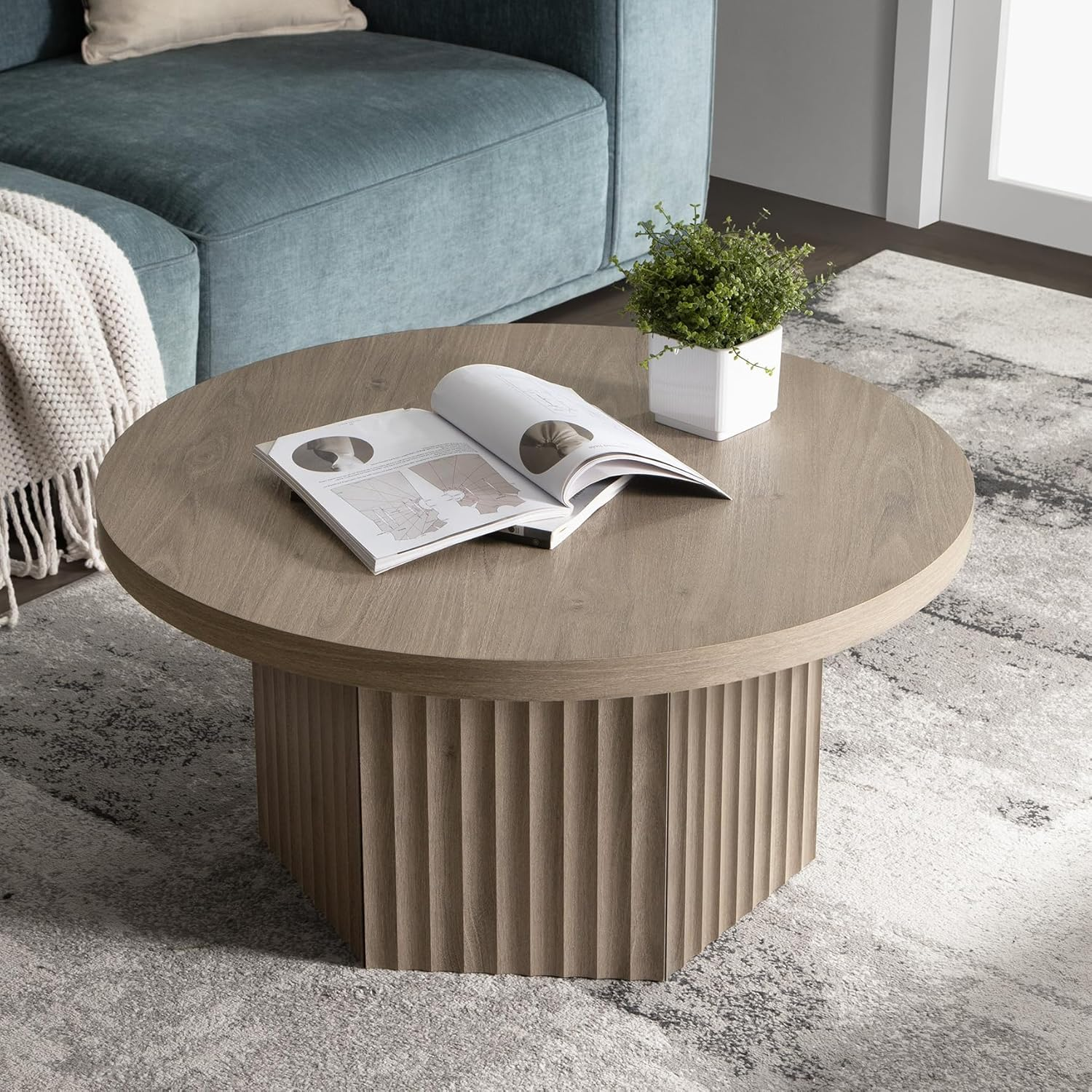
- Round/Oval: These are the best options for tight spaces. Because there are no sharp corners, they allow for a smoother "flow" in high-traffic areas. They are also safer for households with toddlers.
- Square: Square tables look fantastic when placed within a U-shaped seating group or a large sectional. They feel substantial and symmetrical.
- Nesting Sets: If you have a multi-use room, nesting tables provide flexibility. You can tuck them away for daily use and pull the smaller table out when you have guests.
How to Pick a Coffee Table for a Sectional
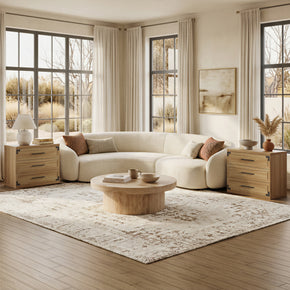
Sectional sofas present a unique challenge because of their "L" or "U" shape. When picking a table for a sectional, the goal is to make sure every person on the couch can reach the surface.
Best Shapes for Sectionals
- Square: Fits perfectly into the "crook" of an L-shaped sectional.
- Round: Softens the heavy, angular lines of a large sectional and makes it easier to navigate the corner.
- Oversized Rectangle: Works well if your sectional is particularly long on one side.
Centering Tips
Always align the coffee table to the "inside corner" of the sectional. If you have a chaise on one end, make sure the table doesn't extend past the length of the chaise, as this can create a "bottleneck" in the room.
Pick the Right Material and Finish
The material you choose dictates how much maintenance the table will require over time.
- Wood: Brings warmth and a "patina" that ages beautifully. Ideal for traditional or boho-chic styles.
- Glass & Acrylic: Perfect for making a small room feel larger. Because you can see through them, they don't take up "visual weight."
- Stone & Marble: Luxurious and heavy. These are incredibly durable but can be prone to staining from acidic spills (like wine or lemon) if not sealed properly.
- Metal: Gives an industrial or modern edge. Metal is often the most durable and easiest to clean.
Choose Features That Fit Your Lifestyle
Modern coffee tables often do more than just sit there. Consider these functional upgrades:
- Storage: If your living room is prone to clutter, look for tables with hidden drawers or a lower shelf for baskets. This is perfect for hiding remotes, chargers, and magazines.
- Small Space Solutions: Look for "C-tables" or slim-profile frames that don't occupy much floor space.
- Kid/Pet Friendly: Avoid glass if you hate fingerprints. Choose rounded edges to prevent "boo-boos" during playtime.
Style Rules That Make It Look Expensive
A table only looks as good as the items on top of it. To achieve a "designer" look, follow this simple formula:
- The Tray: Use a tray to "corral" smaller items so they don't look like clutter.
- The Stack: A stack of 2–3 coffee table books adds height.
- The Organic Element: A vase of flowers, a bowl of fruit, or a small plant brings life to the wood or metal surface.
- The "Clear Zone": Never cover more than 50% of the surface. You always need a "clear zone" to actually use the table for its intended purpose.
Quick Checklist Before You Buy
Before you hit "checkout," run through this final list:
- Clearance: Will it fit through your doorway and up your stairs?
- Stability: Does the base look sturdy enough to handle someone accidentally bumping into it?
- Edges: Are you okay with sharp corners, or do you need rounded ones for safety?
- Protection: Do you have coasters and felt pads ready to protect the surface and your floors?
Shop SICOTAS Coffee Tables
At SICOTAS, we understand that the perfect coffee table is where "Simplicity, Comfort, and Taste" meet. Our curated collection features everything from mid-century modern wood finishes to sleek, minimalist metal designs. Whether you're looking for a functional storage piece or a statement-making centerpiece, our tables are built to be the heart of your living room.
Frequently Asked Questions
How do I choose the right coffee table size?
Aim for a length that is roughly 2/3 the length of your sofa and a height that is within an inch or two of your sofa's seat cushions.
What shape coffee table works best in a small room?
Round or oval tables are best for small rooms. The lack of sharp corners allows for better movement in tight quarters and creates a softer visual footprint.
What coffee table shape is best for a sectional?
Square or round tables are generally the most functional for sectionals, as they provide equal access to the surface from both "arms" of the sofa.
How far should a coffee table be from a sofa?
Leave 14 to 18 inches of space. This provides enough room for your legs while keeping the table within easy reach.
Should the coffee table be higher or lower than the sofa?
It should be level with the seat or 1–2 inches lower. Avoid tables that are significantly higher than the seat, as they can feel imposing and uncomfortable to use.
Final Thought
Picking a coffee table is the final step in "finishing" your living room. By measuring your space first and following the 2/3 length rule, you can ensure that your choice isn't just a piece of furniture, but a functional part of your home’s story.


Looking for something else?

Furniture Materials Guide: Picking the Right Material Room by Room
LEARN MORE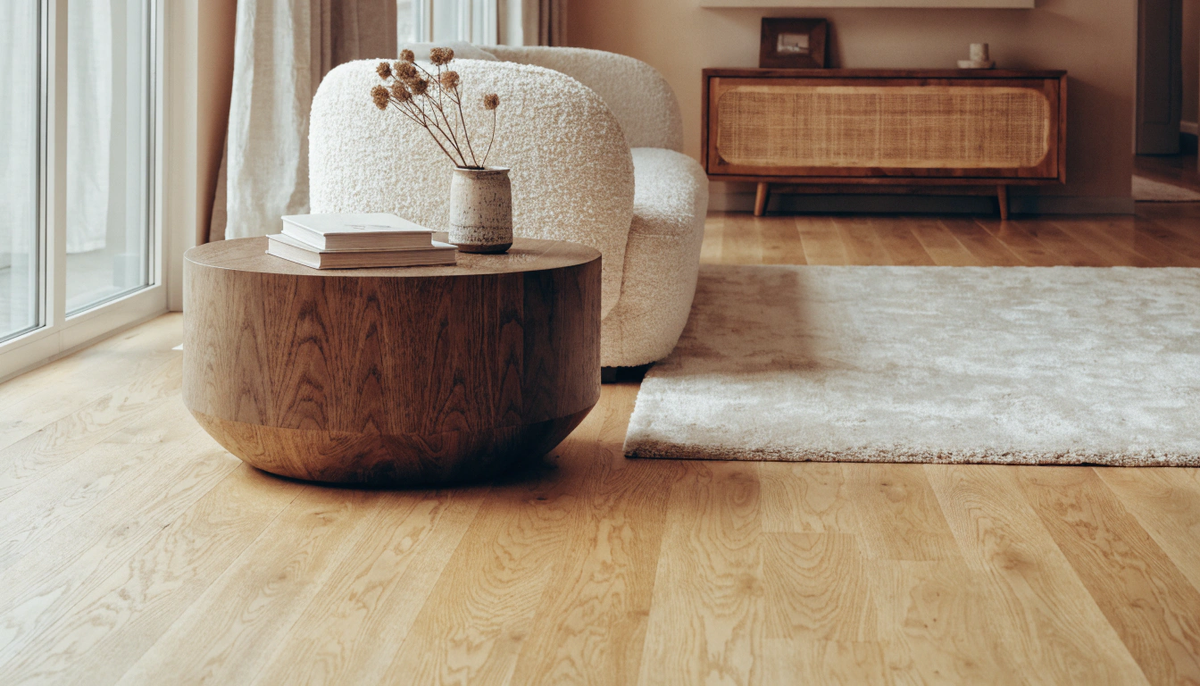
How to Mix Wood Tones Without Making a Room Look Mismatched
LEARN MORE
18 College Apartment Furniture Ideas That Save Space and Money
LEARN MORE
Types of Entertainment Centers: 11 Designs and How to Pick One
LEARN MORELooking for something else?

Curio Cabinet Decor Ideas: How to Style a Display Cabinet Without the Clutter
LEARN MORE
Curved Furniture: How to Style, Measure, and Buy It in 2026
LEARN MORE
What Is Rattan Furniture? A Buyer Guide to Types and Care
LEARN MORE


Further reading

How to Choose a Nightstand for a CPAP Machine

How to Choose a Shoe Cabinet for Men's Sizes, High-Tops, and Bulky Shoes


