







0 comment
What Does Teak Wood Look Like? A Simple Guide to Teak Color and Grain
Walk through any patio furniture showroom and half the “teak” on the floor isn’t teak at all — it’s cheaper wood stained to play the part. Real teak gives itself away in a few honest ways: a golden-brown to honey-brown color, a tight, straight grain, and a surface that feels faintly oily under your fingers. The five identifiers worth knowing up front are teak wood color, teak wood grain, natural oil content, scent, and weight — check those and you'll rarely be fooled. The trouble is that color is the easiest thing to fake, so knowing the rest of the signs is what keeps you from overpaying for a stained imposter. Woodworkers rate teak so highly that The Wood Database ranks it among the most durable hardwoods on earth, which is exactly why fakes are everywhere.
Teak gives itself away fast once you know the signs. Color, grain, weight, smell, and the way it ages. Those tell you if it's the real thing or just dressed up to look the part. The same goes whether you're buying new teak outdoor furniture or poking at some secondhand piece. The clues are right there.
What Is Teak Wood?

Teak is a tropical hardwood. The tree behind it goes by Tectona grandis, and it grows all over South and Southeast Asia. India, Myanmar, Thailand, and Laos all have it. The wood made its name at sea long before anyone built furniture with it. Shipbuilders chose teak because its natural oils help it shed water and resist rot. That's the same reason it rules the outdoor furniture aisle now. Those oils give teak its water resistance, weather resistance, and resistance to decay. So it won't warp or crack outside the way most woods do. Curious how a warm hardwood tone works in a real room? Browse Sicotas solid-wood furniture, and the golden-brown family jumps right out.
Worth knowing before you shop: real teak isn’t cheap, and it never has been. The trees crawl toward maturity — 25 years, often more — and the good heartwood is in short supply, so genuine teak wood always carries a premium tag.
What Does Teak Wood Look Like?
People trip up right here. Teak on day one looks nothing like it does a year later. Real teak wood starts out dark and a little blotchy. Then it settles into a warm golden brown. And left outside it slowly weathers to a silvery gray. So the color of real teak wood isn't one shade — it's a progression you watch unfold over the first year.
Fresh teak can look dark or blotchy.

Cut a fresh teak board, and it rarely matches the glowing furniture in the catalog. It can come out dark, patchy, streaked with mineral lines. Totally normal — the oils and extractives just haven’t settled yet. First-time buyers see the blotches and assume they got cheated. They didn’t. It’s teak.
Mature teak turns golden brown.

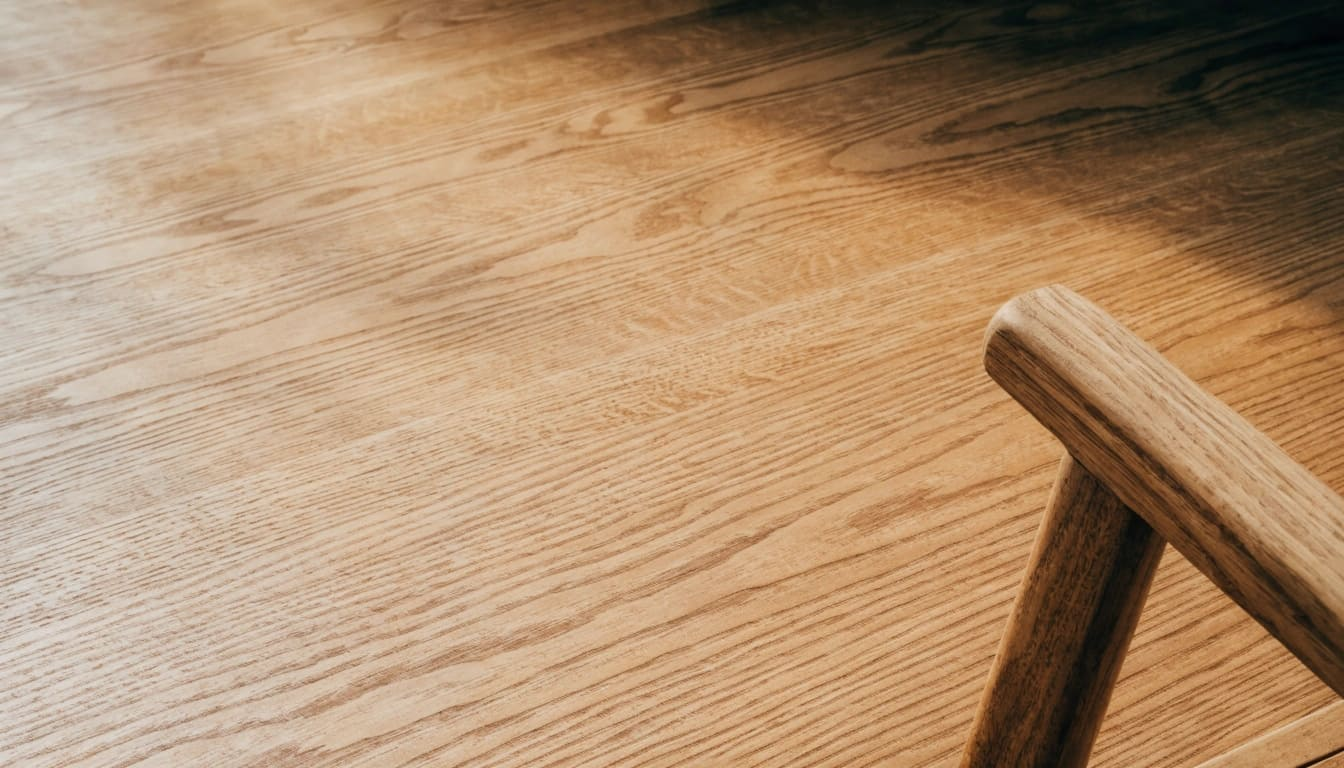
Hand it some sunlight and a little patience, and the color mellows into the one teak is famous for. Golden brown, honey brown, tawny gold, warm light brown — take your pick of the names. This is the look that puts teak in high-end design, and it’s the picture in everyone’s head when they hear the word.
Weathered teak goes silvery gray.

Leave untreated teak out in the weather, and it drifts toward a soft silvery grey. People read that as damage. It isn’t — it’s one of the better signs you’ve got real teak. The grey sits on the surface; the wood under it stays just as strong. Want to keep the gold? Oil it now and then. Like the aged look? Do nothing and let it ride.
Color shifts with origin and finish.
Burmese teak, Indonesian teak, Indian teak, plantation teak — each reads a little differently. Throw a stain or sealer on top, and the surface color changes completely. Which is the whole reason color can’t be your only test. The grain, the weight, and the smell all have to agree.
What Does Teak Wood Grain Look Like?

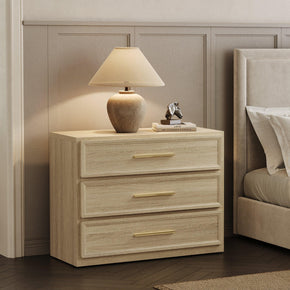
Grain is the tell that color can’t fake. Teak runs a straight grain most of the time, wandering into a slight wave here and there, and only rarely into an interlocked pattern. The good stuff — Grade A heartwood — shows clean, even lines with barely a knot and a smooth, almost glossy face. Lower grades go the opposite direction: more knots, patches of pale sapwood, a bit of filler, and an uneven texture overall. A four-drawer wood chest with a tight, consistent grain is the look worth chasing in any wood. And one trick the woodworking crowd swears by — teak isn’t strongly ring-porous like oak, so if you’re staring at big open pores and those dramatic oak arches, odds are it isn’t teak.
How to Tell If Wood Is Real Teak

Color, grain, feel, smell, weight. Run all five, and almost nothing slips past you.
Check the color, but don’t trust it alone.
Golden brown, honey, light brown, silvery grey — every one of them can be genuine teak. The problem is, a can of stain copies all of them. Take color as a first hint and keep going.
Look for a tight, straight grain.
You’re after long, straight lines with a smooth, refined face. Big open pores or bold oak-style arches mean another wood is wearing teak’s clothes.
Feel for an oily, waxy surface.

Thanks to teak's natural oils and water resistance, the surface feels a touch oily or waxy, especially on unfinished wood. Brand-new teak sometimes even carries a faint powdery film. Smooth, with a slight greasiness — that's the teak feel.
Smell the wood
Sounds strange, but go ahead and sniff it. Real teak has a leathery, earthy smell that comes from its oils. It's strongest on freshly cut or unfinished pieces. Raw wood with no smell at all? That's a quiet warning sign.
Test the weight
Teak is dense and heavy for its size — it lands around 1,070 to 1,155 on the Janka hardness scale. Pick the piece up. If a big panel feels weirdly light in your hands, you’re probably holding a softwood, a veneer, or some other hardwood entirely.
Teak Wood Color by Type

Burmese teak
The gold standard, literally. The teak wood color here is a uniform golden brown with hardly any markings, and the wood runs dense and feels oily from its high oil content. It's also the rarest and the dearest — so if someone's selling cheap Burmese teak, raise an eyebrow.
Indonesian teak

Mostly plantation-grown, and the workhorse of outdoor furniture. This type's teak wood color ranges from golden to light brown, often with a grayish cast, and the grain runs fairly straight. Athree-drawer nightstand set in a warm, even tone showcases the uniform look plantation teak is known for.
Indian teak
Teak wood color covers a lot of ground. It runs from light brown all the way to dark brown with yellow or golden tones. The grain underneath is straight and even and reads coarse or fine depending on the tree. This one's a shade lighter and a touch less dense than Burmese. Still a strong stable hardwood though.
Plantation teak
Grown in neatly managed rows, so the color and grain turn out more uniform. This type's teak wood color usually runs a little lighter and less lustrous than wild teak. Some call it characterless; plenty of others love the consistency. It's normally labeled as plantation teak, so the product description tells you straight.
Real Teak vs Fake Teak: Common Lookalikes

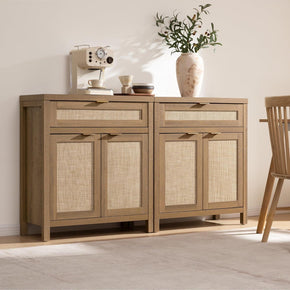
When you're learning how to identify teak and spot real teak wood, it helps to know its common lookalikes. A few woods get dressed up to pass as teak, and spotting them saves real money. Oak is the usual culprit — stain it golden brown, and it fools you at a glance, but the grain is far more open and dramatic, and it’s often just oak veneer over MDF. Acacia brings warm brown tones and handles outdoor use, yet offers a stronger contrast and skips teak’s oily feel. Iroko gets sold as “African teak” and looks the part with solid durability, but it’s not true Tectona grandis. Then there’s the plain veneer trick — a thin teak-colored skin over plywood or particleboard. Before you commit to a four-door sideboard console billed as teak, run your eye along the edges and the underside, and lift it to check its weight; veneer always shows its hand where the thin top layer meets the cheaper core.
Teak vs Sheesham: Which Is Better?

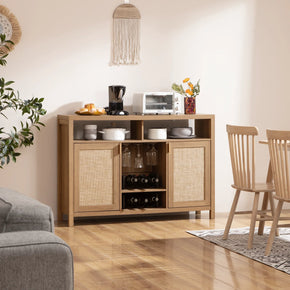
Which is better, sheesham or teak? It depends on where the piece is going to live—different jobs, different winners. Outdoors, teak takes it hands down — the natural oils, the water resistance, and the decay resistance are tough to beat on a patio. Sheesham, or Indian rosewood, is a strong and seriously good-looking hardwood. But it's an indoor player. That's where its bold grain gets to show off. On looks alone, the teak reads smoother and more even. Sheesham goes the other way with dramatic grain contrast and darker streaks. Want that warm wood feel indoors without paying the outdoor premium? A wood TV console with adjustable shelves in solid hardwood gives you the look, while teak’s weatherproofing isn’t doing anything anyway.
What Are the Disadvantages of Teak Wood?

Teak has its downsides, and the honest list is short.
Price. It's expensive, and slow growth plus scarce heartwood are why. You pay for the wood you can't rush.
Greying outdoors. Left outside, teak drifts to a silvery grey unless you stay on top of the oiling. Some owners love the patina; others fight it.
Tricky staining. The natural oils that protect teak also resist stains, so it rarely takes on color evenly. Always test a hidden corner first.
Sustainability. Wild teak carries a long history of illegal logging. Reach for plantation teak orFSC-certified, responsibly sourced wood where you can.
Fakes. Because real teak sells at a premium, imitations are everywhere, which loops you right back to checking grain, weight, and smell.
Quick Teak Identification Checklist
 Quick pass before you buy. Warm golden brown, honey, or silvery grey color. Tight straight grain, maybe a slight wave, with few big knots. Dense and heavy for its size. A faintly oily or waxy surface. A leathery, earthy smell on raw wood. Water that beads for a moment on unfinished, high-quality teak. And a label reading solid teak — never “teak finish” or “teak color,” which are the words sellers reach for when it isn’t the real thing.
FAQs
How can I tell if wood is teak?
Five quick checks do it. Color, grain, feel, smell, weight. Real teak is dense and heavy. It's usually golden brown with tight, straight grain and a slightly oily surface that smells faintly of leather. Stained fakes give themselves away on weight and scent. So never judge by color alone.
Is teak an expensive wood?
Yes, and for good reason. Teak trees take 25 years or more to mature. The prized heartwood is in short supply, and responsible sourcing adds to the cost. Add that to teak's durability and weather resistance, and you end up right at the premium end of the hardwood shelf.
Which is better, sheesham or teak?
Comes down to where it lives. Teak wins thanks to its natural oils and water resistance. Sheesham is a sturdy, beautiful hardwood suited to indoor furniture, with a bolder grain to show for it. Patio set? Teak. Statement piece in the living room? Sheesham holds its own.
What’s so special about teak wood?
Mostly the oils. They give teak its resistance to water, decay, and bugs. That's how it survives outside for decades and barely asks for anything back. Throw in the warm golden-brown color that fades into a soft silvery grey over time, and you get a wood that's tough and easy on the eyes, both.
What are the disadvantages of teak wood?
It’s pricey, it fades to grey outdoors unless you oil it, and its oils make even staining a headache. Wild teak raises sustainability questions, and since it sells at a premium, fakes and veneers turn up constantly. Buy on grain, weight, and a solid teak label, not on looks.
What is the color of real teak wood?
Most often golden brown, honey brown, tawny gold, or a warm light brown. Fresh-cut teak can appear darker and blotchy, with mineral streaks, and untreated teak left outside weathers to a silvery grey. All of it is genuine — the color simply shifts with age and exposure.
How to check for teak wood?
Read the grain for tight straight lines, feel the surface for oiliness, sniff for that leathery scent, and heft the piece for weight. Then peek at the hidden areas — underside and edges — and read the label for “solid teak,” “Grade A teak,” or “plantation teak.”
What wood most resembles teak?
Iroko tops the list — it even goes by the nickname African teak — with acacia, sheesham, and golden-stained oak close behind. They’ll fool the eye on color, but none is true Tectona grandis, and most give themselves away by missing teak’s oily feel and dense weight.
Sources
-
The Wood Database – Teak (Tectona grandis)
-
American Gardener – Teak (Tectona grandis): Characteristics, Wood, Uses & Cultivation
-
Baird Brothers – Teak Hardwood Identification Guide
-
Cotswold Teak – Understanding the Properties of Teak Wood
-
Mys-Teak – Understanding the Properties of Teak Wood
-
Britannica – Teak | Tree, Wood & Uses
-
Forest Stewardship Council – FSC Certification


Savanna 3 Drawers Nightstand
$159.99
$159.99
17 reviews


Savanna Shoe Cabinet, 30 Pairs Shoes
$269.99
$269.99
57 reviews


Savanna Rattan Nightstand
Regular price
$109.99
$109.99
Save 23%
$84.99
$84.99
21 reviews
Savanna 3 Drawers Nightstand
$159.99
$159.99
17 reviews
Savanna Shoe Cabinet, 30 Pairs Shoes
$269.99
$269.99
57 reviews
Savanna Rattan Nightstand
Regular price
$109.99
$109.99
Save 23%
$84.99
$84.99
21 reviews


Savanna Nightstand with Charger
$139.99
$139.99
34 reviews


Savanna Shoe Bench with Storage
$149.99
$149.99
57 reviews


Savanna 2-Drawer Nightstands with Charging Station
$139.99
$139.99
34 reviews
Stay In The Know
Expert advice. Very good deals. The absolute best (and worst) things we've tested lately.
Looking for something else?

How to Style a Rattan Sideboard in Your Living Room
LEARN MORE
Large TV Stand Buying Guide: What to Consider for 65, 75, and 100-Inch TVs
LEARN MORE
Matching Bedroom Furniture Set: Should Your Dresser and Nightstands Match?
LEARN MORE
New Home Furniture Checklist: What You Need Room by Room
LEARN MORERead more from Blogs
Looking for something else?
Feng Shui Living Room Layout With TV Stands and Storage Furniture
LEARN MORE
Couch to TV Distance: How Far Should Your Sofa Be From the TV?
LEARN MORE
Average Dresser Height: How to Choose the Right Dresser for Your Bedroom
LEARN MORERead more from Blogs
You may also like


Savanna 3 Drawers Nightstand
Regular price
$199.99
$199.99
Save 20%
$159.99
$159.99
17 reviews


Crescent Nightstand with 3 Drawers
Regular price
$239.99
$239.99
Save 17%
$199.99
$199.99
23 reviews


Crescent Modular 26.6'' Tall 9 Drawers Dresser and Nightstands Set
Regular price
$1,179.99
$1,179.99
Save 15%
Sale price
$999.99
$999.99
2 reviews


Crescent Modular 9 Drawers Dresser, 26.6'' Tall
$599.99
$599.99
2 reviews
Further reading
June 19, 2026
What Does Teak Wood Look Like? A Simple Guide to Teak Color and Grain
Walk through any patio furniture showroom and half the “teak” on the floor isn’t teak at all — it’s cheaper wood stained to play the part. Real teak gives itself away in a few honest ways: a golde...
June 19, 2026
Dining Table Dimensions: A Complete Size Guide for Any Dining Room
Most dining tables are 28 to 30 inches tall and 36 to 40 inches wide. Length is the part that changes, and it depends on how many people you’re seating. But the size on the label is only half the ...
June 19, 2026
Small Round Dining Table: 11 Style Ideas for Small Spaces
A small round dining table is one of the simplest fixes for a tight kitchen, an apartment, or a breakfast nook that never quite worked. The round shape saves space, slides into corners that a rect...


