

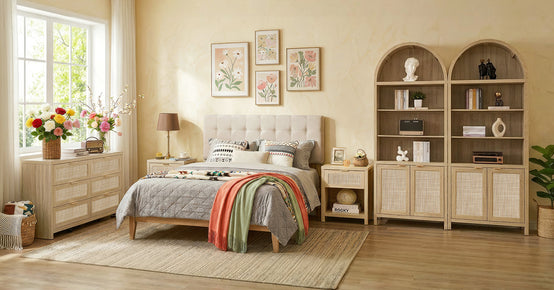
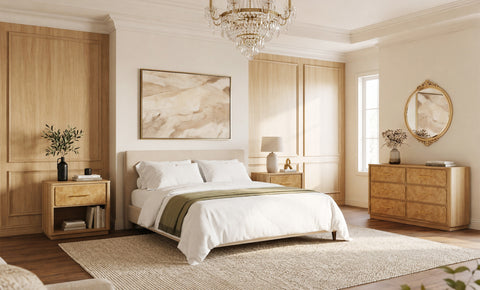
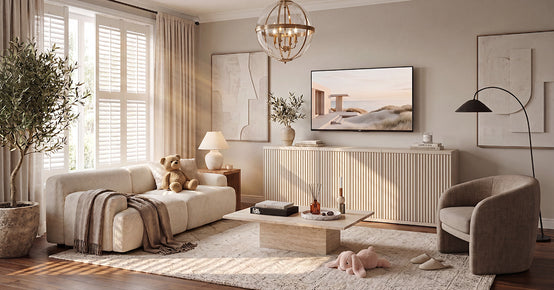
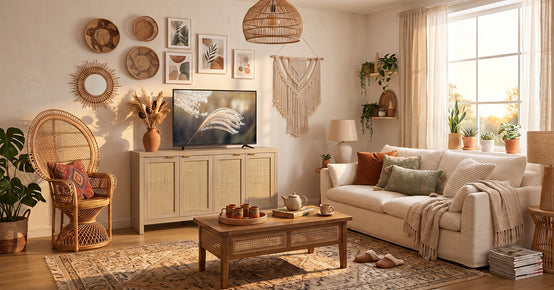



What Is a Sideboard Furniture? Uses, Types & Placement
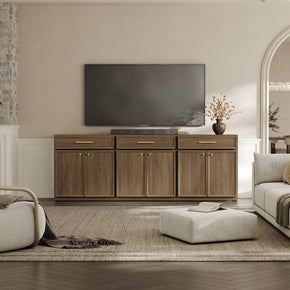
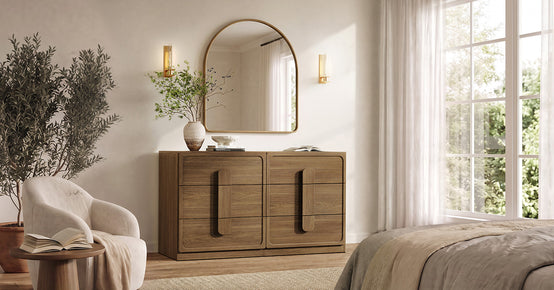
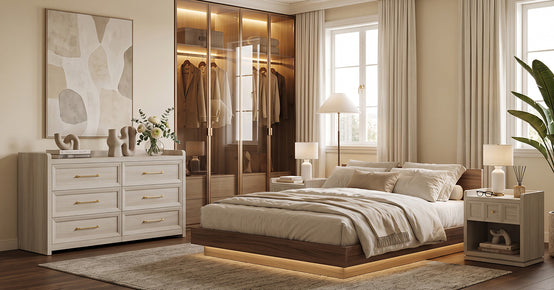
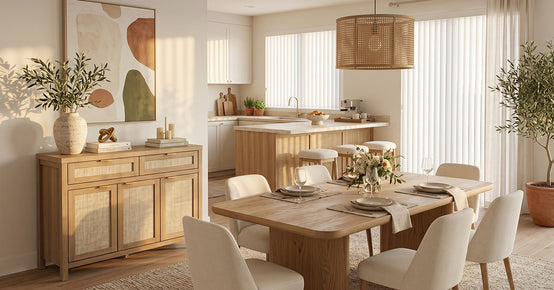
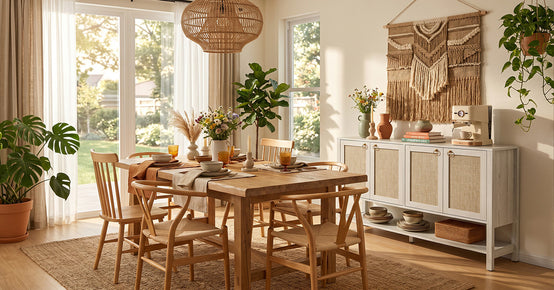
If you’ve been asking what is a sideboard furniture, here’s the clear answer in one line: a sideboard is a low storage cabinet—usually about counter height—with doors, drawers, or both, designed to organize tableware and everyday items while giving you a long, sturdy surface for serving or display. Sideboards started in dining rooms, but today you’ll see a sideboard for living room, entryways, hallways, and home offices because the form is so versatile.
In this complete guide, we’ll define sideboard, show what a sideboard is used for, compare sideboard vs buffet vs credenza, walk through types of sideboards and finishes, and share placement tips that make styling easy. You’ll also find practical shopping pointers and real-world examples drawn from the Sideboards collection—so you can turn ideas into a short list without endless scrolling.
Quick Definition: What Is a Sideboard?
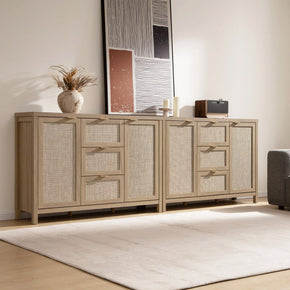
Sideboard (n.) — A low, elongated storage cabinet with enclosed compartments (doors) and/or drawers, typically 30–36 inches tall, used for dinnerware, linens, small appliances, games, and décor. The top surface doubles as a serving station or display ledge for lamps, art, and greenery.
You’ll encounter related product titles—what is a sideboard cabinet, what is a sideboard table, what is a sideboard furniture, what is a sideboard?, and even “whats a sideboard.” They all point to the same furniture category. “Cabinet” emphasizes enclosed storage; “table” hints at a more leggy, airy base. Functionally, each is a sideboard.
What Is a Sideboard Used For?

When people ask what are sideboards used for, think: hide clutter, stage the top. Classic use cases:
-
Dining Room
- Store plates, bowls, glasses, cutlery trays, runners, and napkins.
- Use the top for a buffet-style service at gatherings.
- Keep daily items within reach; save table space for guests.
-
Living Room (sideboard living room)
- Stash remotes, board games, throws, seasonal décor, extra chargers.
- Style the top with lamps + framed art + a plant for depth.
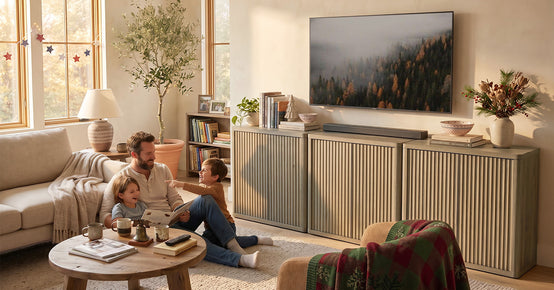
- Park a compact turntable or a soundbar nearby without committing to a media console.
-
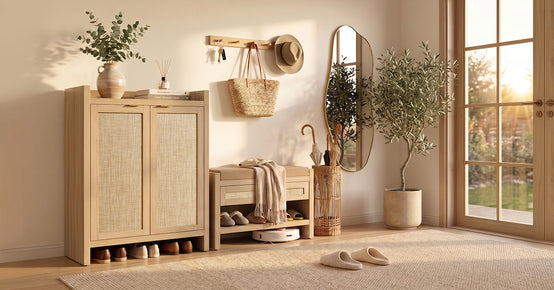
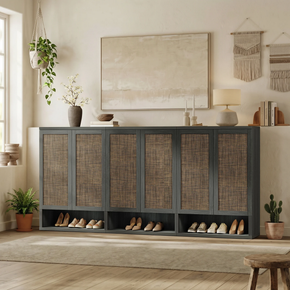
Entryway or Hall
- Hide shoes, umbrellas, dog leashes, keys, mail.
- The top becomes a landing zone with a tray and mirror.
-
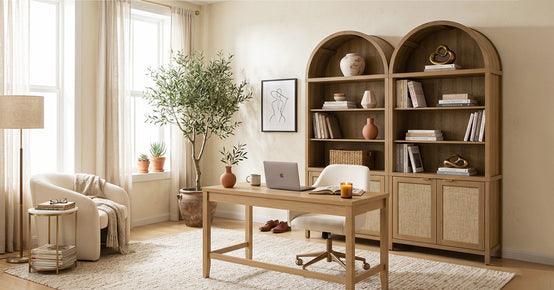
Home Office
- Use as a credenza: paper, files, labelers, spare cables, and printer ink stay organized behind doors.
- The top works as overflow space for a second monitor or display pieces.
-
Bar or Coffee Station
- Bins and shelves organize beans, mugs, barware, and syrups; the top holds a tray with bottles or a grinder.
The secret is the interior layout—adjustable shelves, drawers, and door counts determine how well the sideboard handles your stuff.
Sideboard vs Buffet vs Credenza (What’s the Difference?)

These terms often overlap; focus on dimensions and intent more than names:
-
Sideboard
- 30–36″ tall, long and low; doors/drawers for flexible storage.
- Lives anywhere: dining, living, entryway, office.
- Visual role: calm horizontal line that grounds a wall.
-
Buffet
- Historically used for serving in the dining room; sometimes a touch taller than a sideboard.
- In modern retail, “buffet cabinet” and “sideboard” can be identical except for styling.
-
Credenza
- Office-leaning term; typically a low storage cabinet behind a desk.
- In home catalogs, a credenza can be the same form as a sideboard but tuned for files or tech.
Bottom line for “sideboard vs buffet vs credenza”: treat them as cousins. Let height, depth, and inside configuration guide your choice—not just the product title.
Key Dimensions: Height, Depth, and Width That Work
- Height: the sweet spot is 30–36 inches. Lower looks casual; higher feels more formal and “built-in.”
-
Depth:
- 13–16 inches for slim hall/living placements (keeps walkways open).
- 16–20 inches for generous dining storage or multi-use living spaces.
- Width (length): pick a length that leaves 3–6 inches of wall breathing room on each end. Under a gallery wall, a sideboard that’s 60–72 inches wide often balances sofas and art nicely.
Pro placement tip: Hang art or a mirror so its bottom edge is 6–10 inches above the sideboard top; this keeps the grouping connected.
Types of Sideboards (by Door Layout & Look)
-
Doors-Only Sideboard
- Clean fronts with adjustable shelves inside.
- Best for big items (serving bowls, bins, board games).
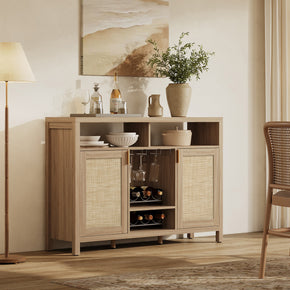
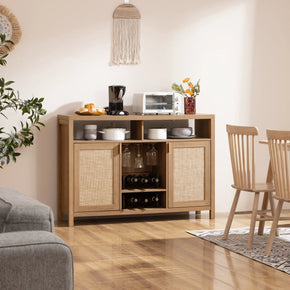
- Doors may be solid, glass, slatted, or rattan-accent.
-
Drawers + Doors
- Drawers hold linens, placemats, utensils; doors handle taller items.
- Most versatile for dining and living rooms.
- Three-Door & Four-Door Runs
- Wide, balanced facades for long walls.
- Easy to assign zones (kids’ games left, bar kit right, etc.).
-
Glass-Front Sideboards
- Display special pieces without dust; add subtle lighting for evening glow.
- Great for elegant dining rooms or refined living spaces.
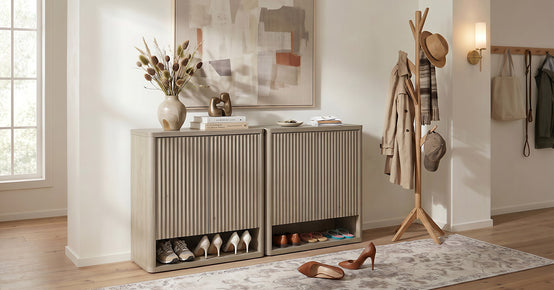
- Textured Fronts (Fluted/Rattan/Framed)
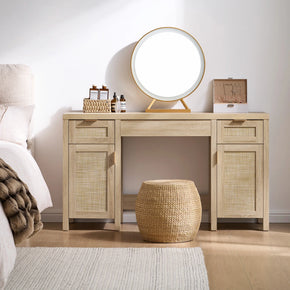
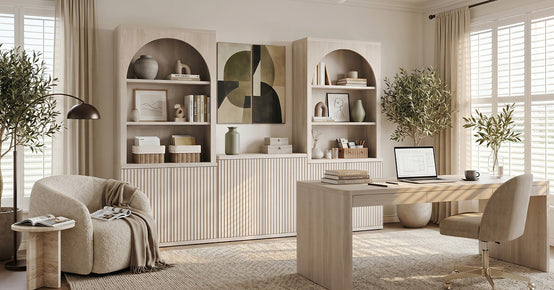
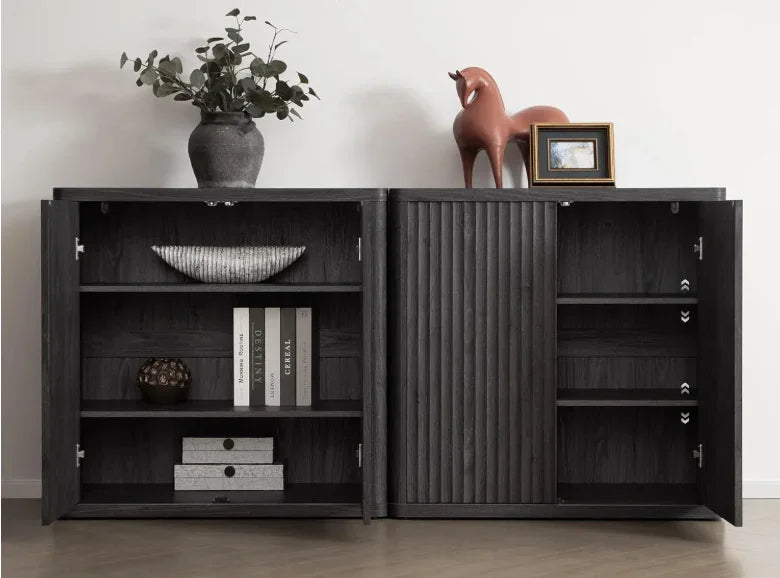
- Add depth and pattern; soften a large blank wall or balance a big TV.
- Popular in modern, boho, and transitional rooms.
On the SICOTAS Sideboards page, you’ll find each of these patterns across finishes like Natural Oak, White Alder, Grey Alder, Dark Grey Alder, and modern oak tones—plus occasional rattan or fluted textures that read designer without effort.
Materials & Finishes (Choose What Fits Your Room)

-
Engineered wood with oak/alder looks
- Durable, color-consistent, budget-friendly; easy to match across rooms.
- Textured façades (rattan, slatted, fluted)
- Add movement and shadow; disguise small scuffs.
-
Finish sheen
- Matte reads calm, hides fingerprints;
- Satin/polished bounces light, helpful in darker rooms.
-
Hardware
- Slim pulls = modern; framed pulls = classic; soft curves = boho/Scandi.
Style match tip: echo one existing element—flooring tone, coffee table wood, or metal finish—so the sideboard feels integrated, not “brand new and unrelated.”
Placement & Styling: Make It Look Effortless
-
Dining room:
-
Center it on the longest wall; keep 24–36 inches of clearance in front so doors and drawers open while guests can pass by.
-
Use a tray for bottles or a tea set to protect the top.
-
Inside: heavy plates low, frequently used pieces at waist height, seldom-used up high.
-
-
Living room (sideboard living room):
-
Opposite the TV or on a perpendicular wall to balance the room.
-
Under a gallery wall, build a rule-of-three vignette on the top: a tall lamp/branch, a medium stack of books/box, a low bowl/candle.
-
Keep 30–40% negative space so it doesn’t feel cluttered.
-
-
Entryway:
-
Use a shallow (≤ 15″ deep) sideboard to keep the walkway clear.
-
A mirror above + a small tray for keys = instant hotel-lobby neatness.
-
-
Home office (as credenza):
-
File boxes and devices go behind doors.
-
If a printer sits on top, measure height for lid clearance and cable reach.
- How to Choose: A 6-Step Sideboard Buyer’s Checklist
-
Measure the wall (width, depth limit, baseboard thickness, outlet location).
-
Choose the height (30–36″) that fits nearby furniture—dining tables often pair well with ~34–36″, casual living spaces with ~30–32″.
-
Pick the interior layout
-
Doors only for big items;
-
Drawers + doors if you need linen/flat storage.
-
-
Match finishes with one room element (floor, table, hardware).
-
Check details: adjustable shelves, door style, soft-close, anti-tip kit (use it), cable cut-outs if you’ll hide a router or speaker.
-
Confirm delivery & support: free contiguous-U.S. shipping, clear return window, warranty.
-
At SICOTAS: free shipping in the contiguous U.S., 60-day returns, 360-day warranty, and straightforward assembly instructions.
-
Sideboard for Living Room: Three Layout Recipes
-
Gallery Base
-
Sideboard centered; large framed piece above (bottom edge 6–10″ from top).
-
Top: lamp + books + bowl; leave open space at one end.
-
Sofa-Back Anchor
-
Float the sofa; place the sideboard behind to define the zone.
-
Add symmetrical lamps or a single tall branch for height.
-
Corner Composition
-
Tuck a compact sideboard in a corner with an arc lamp overhead.
-
Layer a small leaning frame to add depth; store throws and chargers inside.
Sideboard Safety & Maintenance
-
Anchor it. Use the anti-tip kit into wall studs—especially important in family rooms and hallways.
-
Heaviest items low. Reduces tipping force and makes doors glide smoother.
-
Protect the top. Use felt pads under ceramics; a runner or tray for frequent serving.
-
Cleaning. Microfiber cloth + mild cleanser; avoid oversaturating textured fronts.
Frequently Asked Questions
What is a sideboard furniture?
A sideboard is a low, long storage cabinet with doors and/or drawers for dinnerware and daily essentials, topped by a serving/display surface.
What is a sideboard used for?
In dining rooms: tableware & linens; in living rooms: media, games, décor; in entryways: keys, mail, pet gear; in offices: files and tech.
What is a sideboard cabinet vs. sideboard table?
“Cabinet” highlights enclosed storage; “table” suggests a lighter, legged base. Both are sideboards—choose by layout and look.
Sideboard vs buffet vs credenza—difference?
They’re closely related. Sideboard (versatile, low cabinet), buffet (traditionally dining-focused, sometimes taller), credenza (office-leaning name). Pick by height, depth, and interior.
Where should a sideboard go in a living room?
On a main wall under art, opposite the TV, or behind a floating sofa. Keep walkway depth in mind (≤ 15″ depth is friendly in tight rooms).
How tall is a sideboard?
Commonly 30–36 inches tall; choose lower for casual spaces, higher for formal rooms or to align with nearby surfaces.
The Bottom Line
If you were wondering what is a sideboard furniture, think of it as the most adaptable cabinet in the home: long, low, and made to store the mess while showcasing the best. Use one in the dining room for dishes and linens; move the same silhouette to your living room to stash games and style a lamp; drop a slim version in the entry to tame keys and mail.
When you’re ready to choose, measure the wall, decide on doors vs. drawers, match one finish in your room, and anchor the cabinet for safety. Then browse the current SICOTAS Sideboards to find the height, depth, and storage layout that fits your life—delivered with free contiguous-U.S. shipping, 60-day returns, and a 360-day warranty for peace of mind.


Looking for something else?

Burl Wood Furniture: The Complete Buying Guide
LEARN MORE
What Is a Hope Chest? Meaning, History, and Modern Uses
LEARN MORE
What Is a Foyer? Meaning, Purpose and Design Guide
LEARN MORE
GREENGUARD Gold Certified Furniture: What It Really Means for Your Home
LEARN MORELooking for something else?

How to Clean a Mirror Without Streaks: Simple Step-by-Step Guide
LEARN MORE
21 Above-Bed Decor Ideas for a Stylish Bedroom Wall
LEARN MORE
Furniture Materials Guide: Picking the Right Material Room by Room
LEARN MORE


Further reading

18 Decorative Storage Box Ideas That Hide Clutter Well

How to Store Comforters Without Losing Space or Loft


