

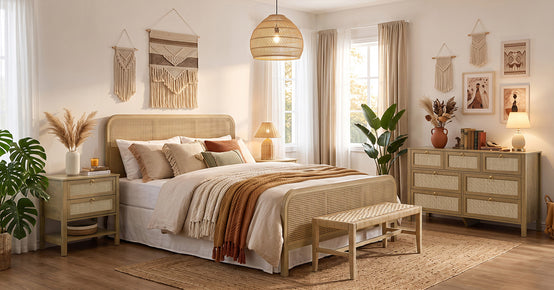



What Can Be Used as a Nightstand? 12 Stylish and Practical Alternatives
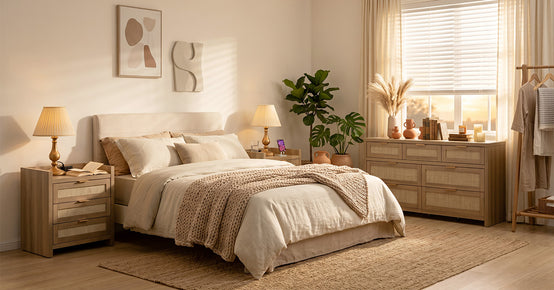
A nightstand is one of the most functional pieces in your bedroom—holding your lamp, phone, alarm, and nightly essentials. But what if you don’t have one, or you want something more creative? The truth is, you don’t need a traditional piece of furniture to achieve that function. There are dozens of alternatives that fit different spaces, budgets, and aesthetics.
So, what can be used as a nightstand? Almost anything that provides a flat, reachable surface can fill the role: from small desks to consoles, stacked books, or even vintage crates. The right piece depends on how you use your bedside space and how much storage you need.
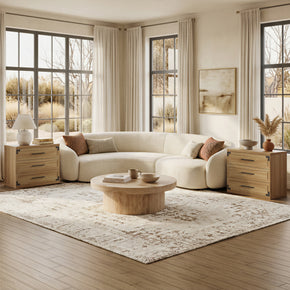
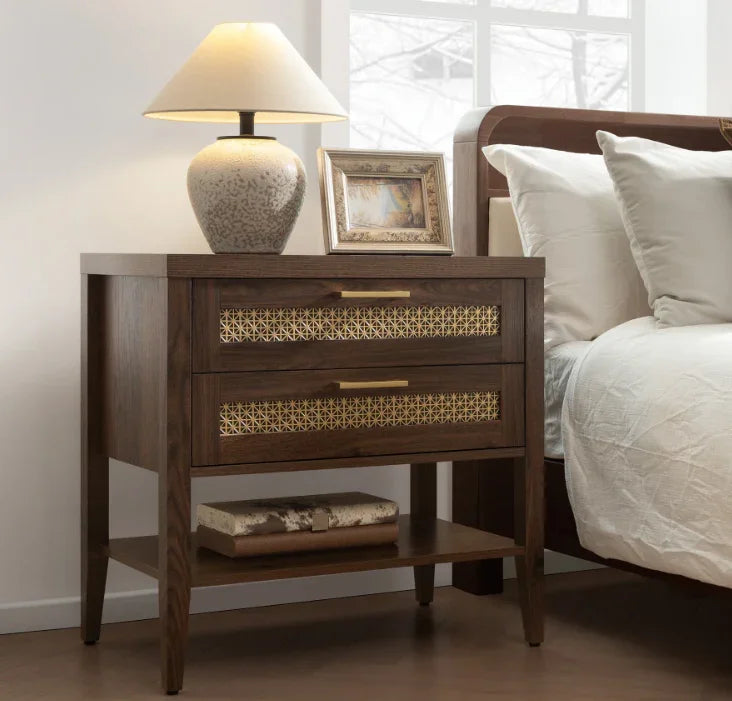
If you’re exploring both traditional and modern options, the nightstand offers minimalist designs that balance function and form—perfect for compact bedrooms or statement interiors.
Why Rethink the Traditional Nightstand?
Bedrooms come in all shapes and sizes, and sometimes the standard nightstand doesn’t fit—literally or stylistically. A tall bed might make your table feel too short; a tiny apartment might not have floor space for bulky furniture.
Replacing the classic nightstand with something more flexible lets you:
- Adapt storage to your specific needs.
- Maximize space in small rooms.
- Create a unique, curated look that reflects your style.
You can think of a “nightstand” as any surface within arm’s reach of the bed that safely holds what you need before sleeping and after waking.
How Tall Should the Alternative Be?
Even if you use something unconventional, the rule of comfort still applies. Your bedside surface should align with the top of your mattress—or sit within 1–2 inches above or below it.
This makes reaching for a lamp or glass of water natural and prevents spills or awkward stretching. Most nightstands and their alternatives range from 24–28 inches tall, which suits the majority of modern beds.
Creative Alternatives: What Can Be Used as a Nightstand

Here are some of the most effective and aesthetic substitutes for a traditional bedside table.
1. A Small Desk
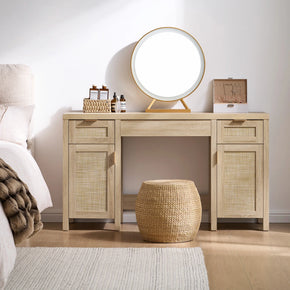
If you’re short on furniture but need both workspace and storage, a desk used as nightstand is one of the smartest solutions.
It doubles as a writing or laptop station by day and holds your reading lamp and essentials at night. Look for a slim desk, about 30 inches tall, with shallow drawers or side storage.
A desk can also make the room feel balanced when paired with a single bed in studio apartments.
Tip: Keep one chair tucked neatly under it to maintain visual flow.
2. A Console Table
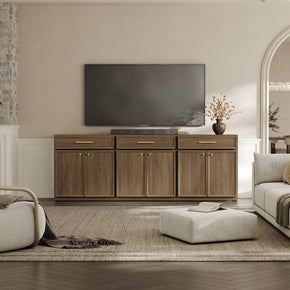
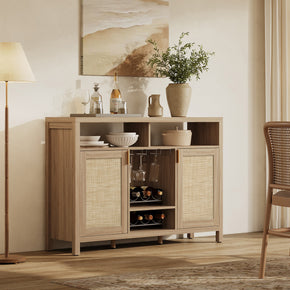
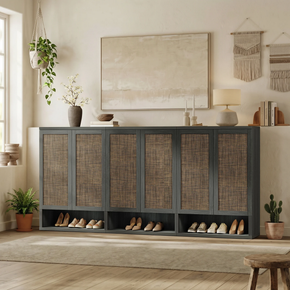
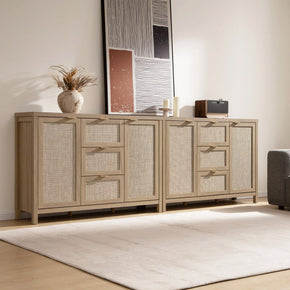
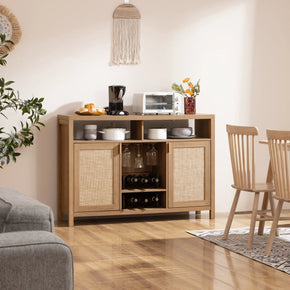
For larger rooms, a console table works beautifully as a minimalist nightstand. With heights averaging 28–32 inches, consoles often align perfectly with taller mattresses.
The extra surface length is ideal for displaying lamps, books, and décor, while baskets or boxes below offer hidden storage.
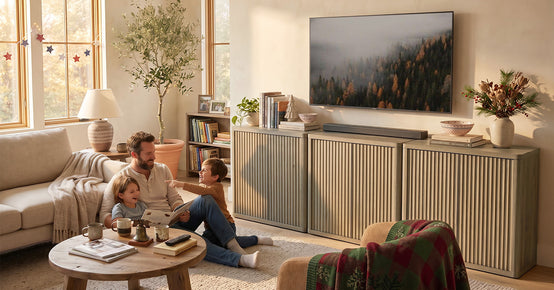
The console features designs that double as slim nightstands—ideal for modern or coastal-style rooms.
3. A Dresser or Chest of Drawers
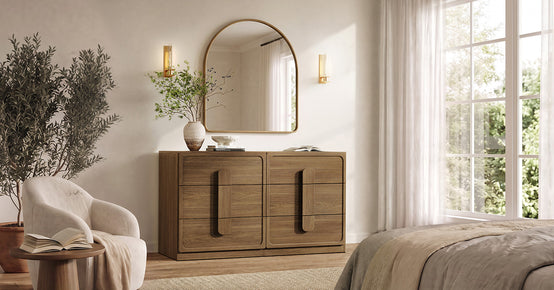
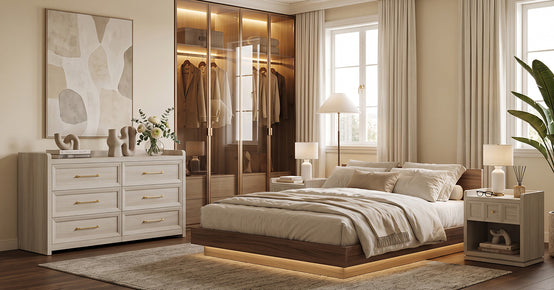
If you prefer more storage, use a small dresser as a nightstand. Its top functions as a bedside surface, while drawers store clothes, chargers, and spare linens.
Choose one that’s shorter than your mattress line to keep proportions in check. For symmetry, two matching low dressers can anchor the bed beautifully.
4. Floating Shelves
Floating shelves are perfect for small bedrooms where floor space is limited. Install one (or two stacked) at mattress height for an airy, modern aesthetic.
They can hold your reading lamp, phone, and a glass of water without crowding the room. Pair them with wall-mounted sconces to free up the surface entirely.
Design tip: For stability, make sure each shelf is at least 12 inches deep.
5. A Chair or Stool
Simple and casual, a sturdy chair used as a nightstand gives the room a relaxed, bohemian vibe. A wooden stool or vintage dining chair can easily hold your essentials, while the seat height aligns comfortably with most beds.
If you choose an upholstered chair, place a tray on top to create a smooth, stable surface.
6. A Stack of Books or Magazines
For minimalists and book lovers, stacked books can become both art and function. Pile 10–15 large-format books to achieve a height close to your mattress, then top with a lamp or tray.
It’s an inexpensive and creative way to display your favorite titles while serving a real purpose.
7. A Storage Trunk or Vintage Suitcase
A vintage trunk or stacked suitcases offer nostalgia and function in one. They add texture and character while hiding blankets, seasonal clothes, or spare linens inside.
For visual balance, pair the rustic charm with sleek bedding or modern décor.
8. A Bar Cart
A bar cart isn’t just for entertaining—it’s a chic and movable bedside solution. With two or three tiers, it provides space for books, chargers, and a plant or two.
Wheeled carts make rearranging easy, especially in small apartments or guest rooms. Choose one with a railing edge to prevent items from sliding off.
9. A Floating Drawer Unit
Wall-mounted drawer cubes or “floating nightstands” blend the practicality of storage with modern design minimalism. Install one on each side of the bed for a symmetrical, clutter-free look.
They also leave space below for lighting or storage baskets, making them perfect for compact urban bedrooms.
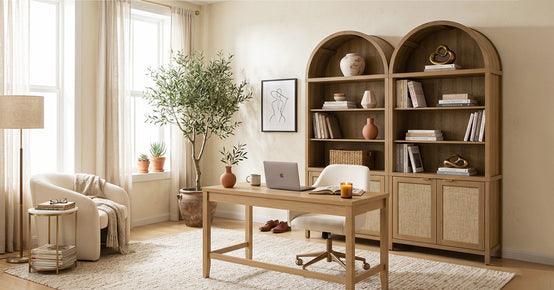
10. A Narrow Bookshelf
A slim bookshelf beside your bed gives you vertical storage and a built-in reading nook. The top acts as your nightstand surface, while the lower shelves store décor, baskets, or bedtime reads.
Keep the height proportional to your headboard and mattress to maintain balance.
11. A Side Table or End Table
Wondering, can a nightstand be used as an end table? Absolutely—and vice versa.
End tables from living rooms often share the same dimensions as bedside tables. They make perfect substitutes, especially if you already have an extra one lying around.
The main difference is style—end tables may have more decorative or open designs. To make one work as a nightstand, ensure it’s tall enough and provides a stable top surface.
12. A Bench or Ottoman
A small bench or ottoman beside the bed offers multipurpose functionality. It can hold books or trays and double as extra seating when needed.
If you prefer soft textures, an upholstered ottoman adds warmth and comfort to your room’s design. For practicality, use a hard tray on top to hold items securely.
How to Choose the Best Nightstand Alternative

With so many options, how do you decide what to use? Consider three key factors:
Height and Reach
Always align the top of your alternative with your mattress height. A few inches higher is fine, but anything lower quickly becomes impractical.
Storage Needs
If you like to keep things organized, go for drawers or shelves. If you prefer a clean, minimal look, a stool or console may suit better.
Aesthetic Match
Your nightstand alternative should complement the rest of your furniture. For example:
- Wooden pieces pair beautifully with fabric headboards.
- Metal or glass tables work well in modern or minimalist spaces.
- Rattan or woven textures add warmth to neutral rooms.
Can a Desk Double as a Nightstand?
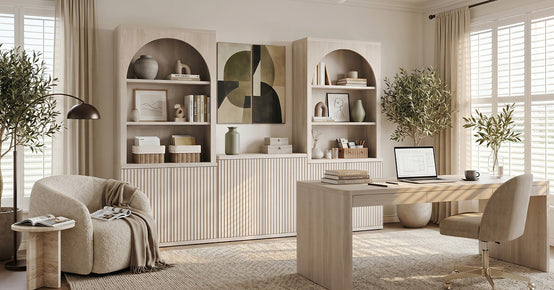
Yes—and it’s one of the most versatile solutions. A desk used as nightstand combines storage, workspace, and aesthetic balance.
If you work from home, positioning a small desk beside the bed maximizes square footage without crowding the room. Keep one side clear for your lamp and daily essentials, and use drawers for office supplies.
This hybrid approach is especially useful in studio apartments or multi-use bedrooms.
Styling Tips for Any Bedside Setup
Once you’ve found your perfect substitute, make it intentional. The styling makes all the difference between “repurposed” and “designed.”
- Add a lamp or wall sconce for balanced light.
- Include one decorative element (a vase, photo, or candle).
- Use trays or coasters to organize small items.
- Keep cords tidy with clips or baskets underneath.
Proportion is key: choose décor that’s about one-third the width of your surface to maintain visual harmony.
Common Mistakes to Avoid
Even with creative freedom, certain mistakes can disrupt both comfort and design.
- Using something too low or too tall—it breaks flow and strains your reach.
- Overloading surfaces—clutter kills tranquility.
- Ignoring balance—match scale with your bed height and headboard.
- Forgetting stability—ensure alternative furniture can support daily use.
A nightstand, traditional or not, should make your bedtime routine simpler, not harder.
Frequently Asked Questions
What can I use instead of a nightstand?
Desks, stools, consoles, trunks, and shelves can all serve as bedside tables if they match your bed’s height and function.
Can I use a desk as a nightstand?
Yes. A small desk beside your bed provides extra workspace and storage without losing bedside practicality.
Can a nightstand be used as an end table?
Definitely. Nightstands and end tables often share the same height and surface area. The key difference lies in design and drawer presence.
How tall should my nightstand alternative be?
Between 24 and 28 inches, or level with your mattress top for optimal reach and balance.
Do both sides of the bed need nightstands?
Not necessarily. In small rooms, a single piece—like a console or floating shelf—can center the bed beautifully.
Final Thoughts
When it comes to bedroom design, creativity beats convention. From repurposed furniture to elegant minimalist alternatives, you have endless options for what can be used as a nightstand. The best choice is one that matches your habits, complements your space, and feels effortless to use every day.
Whether you opt for a sleek console, a compact desk, or a modern floating shelf, the key is proportion and comfort. Explore the nightstand to find perfectly balanced pieces designed with height, style, and functionality in mind—because a well-chosen bedside companion makes every night a little more peaceful.


Looking for something else?

Burl Wood Furniture: The Complete Buying Guide
LEARN MORE
What Is a Hope Chest? Meaning, History, and Modern Uses
LEARN MORE
What Is a Foyer? Meaning, Purpose and Design Guide
LEARN MORE
GREENGUARD Gold Certified Furniture: What It Really Means for Your Home
LEARN MORELooking for something else?

How to Clean a Mirror Without Streaks: Simple Step-by-Step Guide
LEARN MORE
21 Above-Bed Decor Ideas for a Stylish Bedroom Wall
LEARN MORE
Furniture Materials Guide: Picking the Right Material Room by Room
LEARN MORE


Further reading

18 Decorative Storage Box Ideas That Hide Clutter Well

How to Store Comforters Without Losing Space or Loft


