

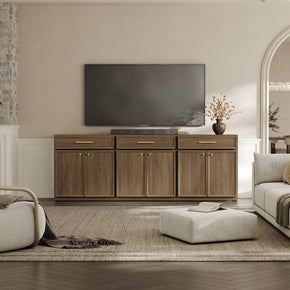
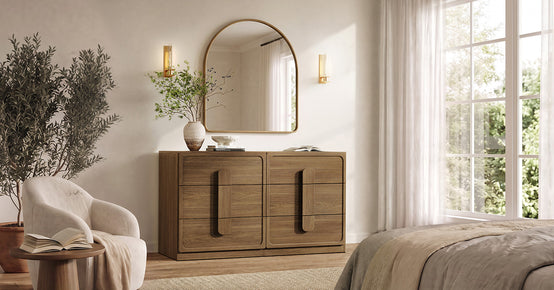
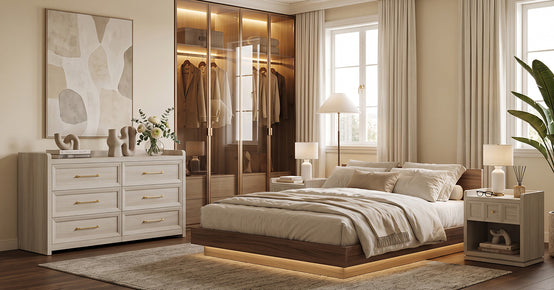
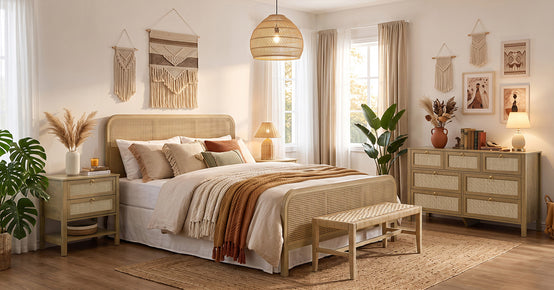
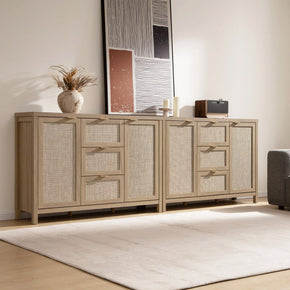
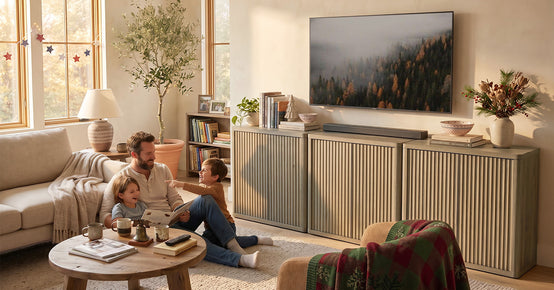
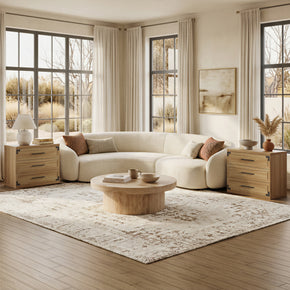



Texture Direction: Designing Around a Single Tactile Element
When it comes to interior design, texture often has just as much impact as color or layout. A single tactile element can set the tone for an entire space, guiding the furniture and décor choices that follow. Designing around one standout texture creates balance, cohesion, and a sense of intention in your home.
Choosing Your Texture Anchor
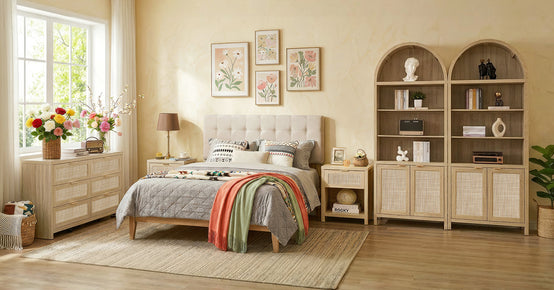
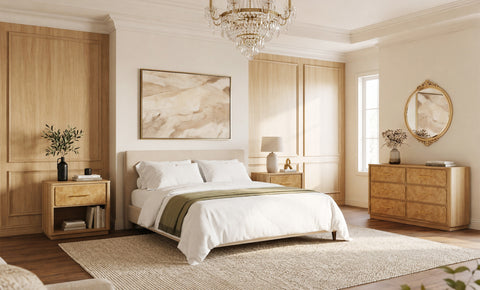
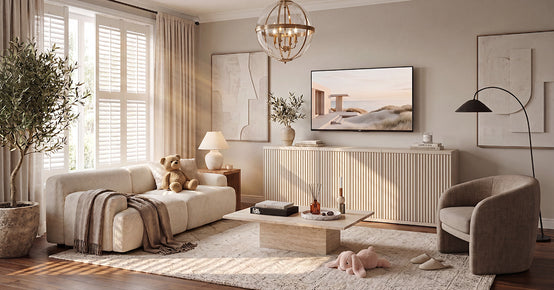
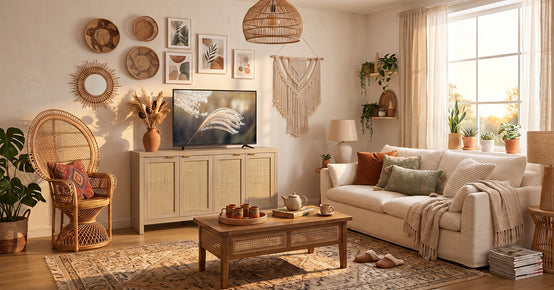
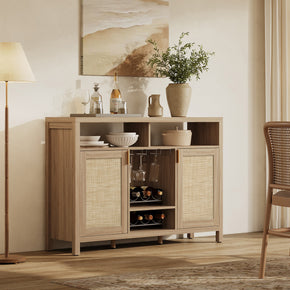
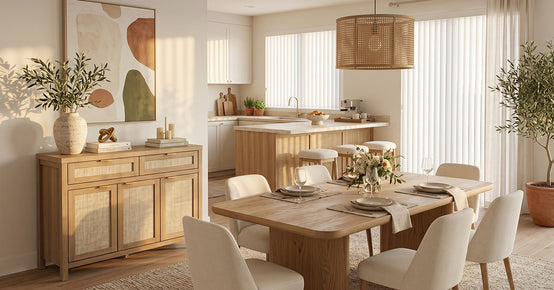
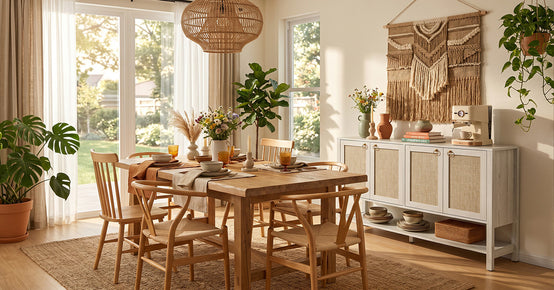
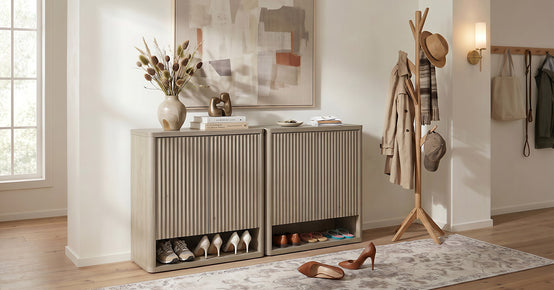
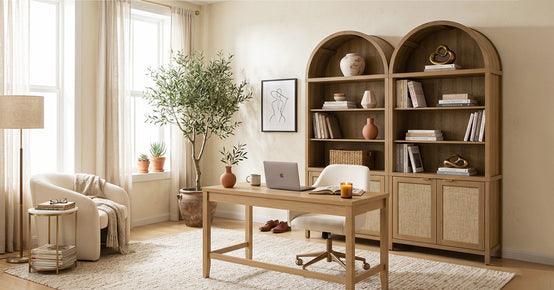
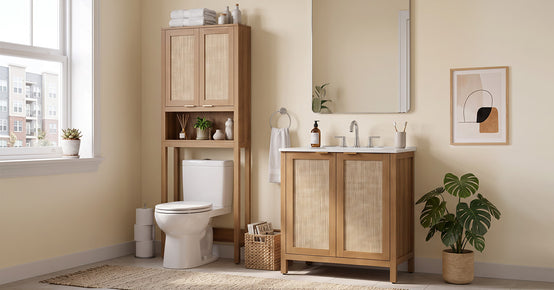
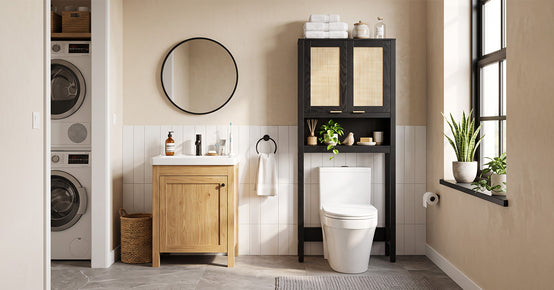
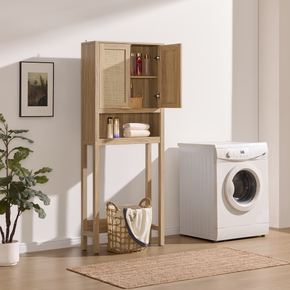
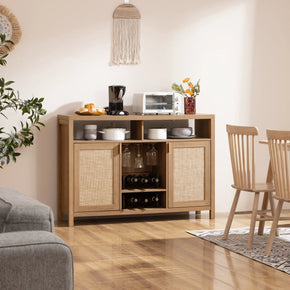
Start by selecting one material that captures the mood you want for your room. It could be the warmth of woven rattan, the clean lines of fluted wood, or the sleekness of lacquered finishes. This “anchor texture” becomes the foundation for everything else, helping to unify the overall design.

Supporting Elements for Balance
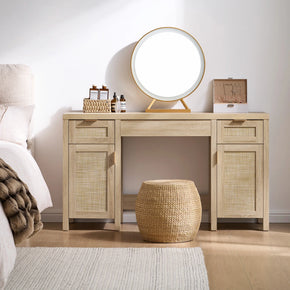
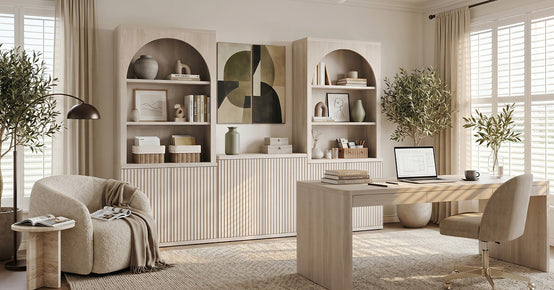
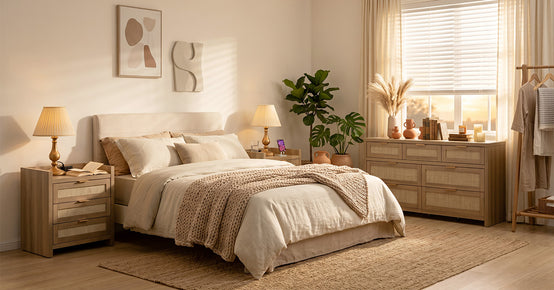
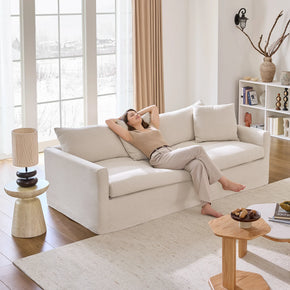
Once you have your texture anchor, bring in complementary pieces that highlight—rather than compete with—it. If your focus is a woven nightstand, balance it with smooth surfaces like a polished dresser or soft fabric upholstery. If your anchor is a fluted wood desk, surround it with subtle textures, like linen curtains or a simple rug, that add layers without overwhelming.

Practical Pieces That Add Style
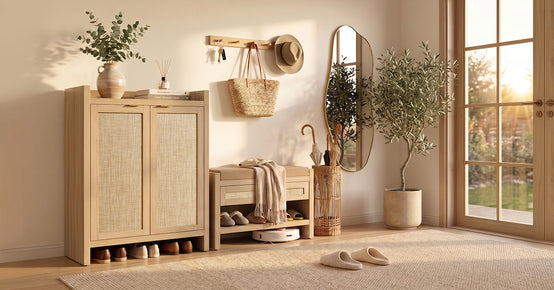
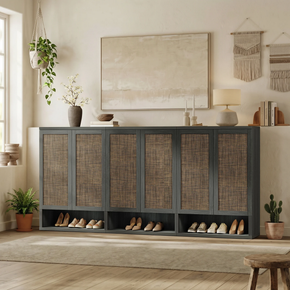
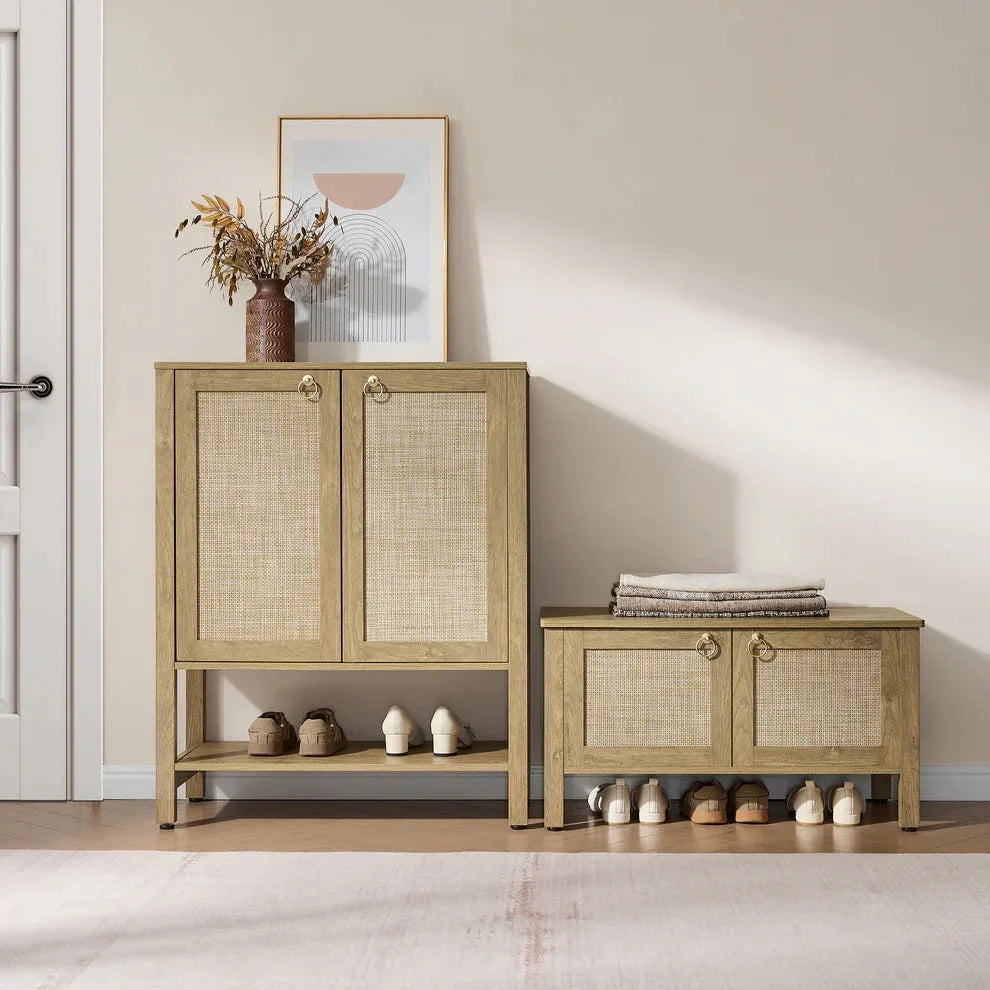
Texture doesn’t just live in statement furniture. Everyday items—like a shoe storage bench with clean detailing or a sleek side table—can support your anchor texture while keeping the space functional. These subtle choices round out the design and make the room feel lived-in and inviting.

Bringing It All Together
The key is restraint. Let your chosen texture lead the way, while surrounding elements quietly reinforce it. The result is a room that feels thoughtful, cohesive, and deeply personal.


Looking for something else?

Burl Wood Furniture: The Complete Buying Guide
LEARN MORE
What Is a Hope Chest? Meaning, History, and Modern Uses
LEARN MORE
What Is a Foyer? Meaning, Purpose and Design Guide
LEARN MORE
GREENGUARD Gold Certified Furniture: What It Really Means for Your Home
LEARN MORELooking for something else?

How to Clean a Mirror Without Streaks: Simple Step-by-Step Guide
LEARN MORE
21 Above-Bed Decor Ideas for a Stylish Bedroom Wall
LEARN MORE
Furniture Materials Guide: Picking the Right Material Room by Room
LEARN MORE


Further reading

18 Decorative Storage Box Ideas That Hide Clutter Well

How to Store Comforters Without Losing Space or Loft


