




Designing Your Room’s Flow: Furniture Placement Strategies
A beautiful home isn’t just about the furniture you choose — it’s about how you arrange it. Even the most stunning pieces can feel out of place if the room lacks flow. Thoughtful placement creates harmony, maximizes functionality, and ensures your space feels welcoming rather than cluttered. Whether you’re styling a compact apartment or refreshing a larger home, these strategies will help you arrange furniture with both design and practicality in mind.
Start with Your Anchor Pieces
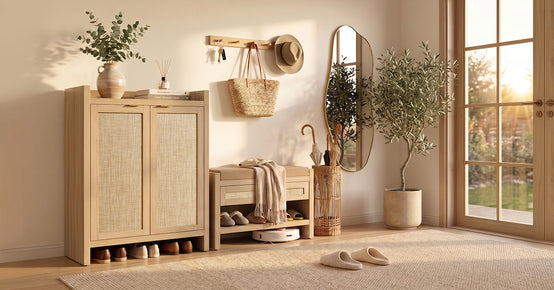
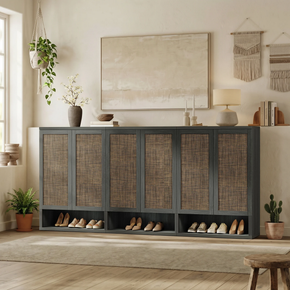
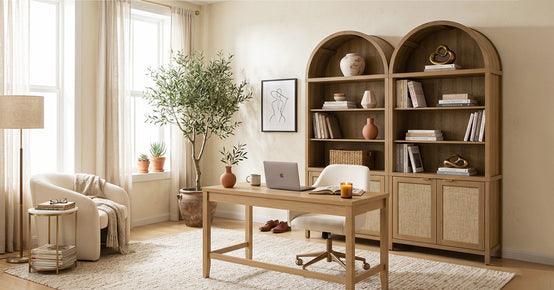
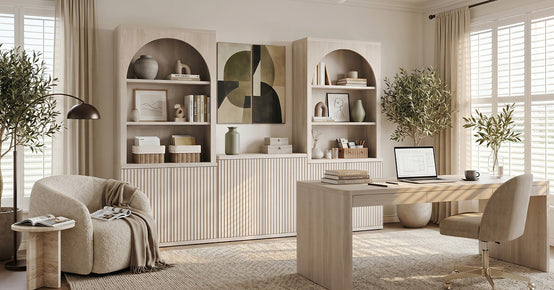
Every room has a natural focal point, whether it’s a sofa in the living room, a desk in the office, or a bed in the bedroom. Place these anchor pieces first to establish balance. For example, a computer desk fits best against a wall with plenty of light, while a storage bench by the entryway instantly sets the tone for an organized home.

Create Natural Pathways
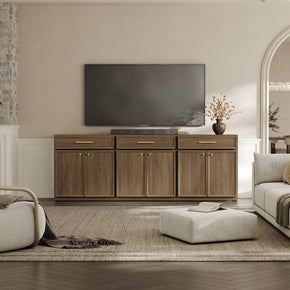
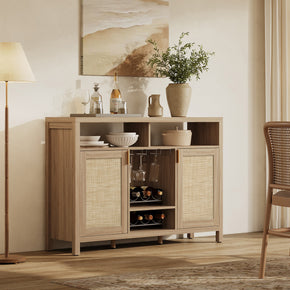
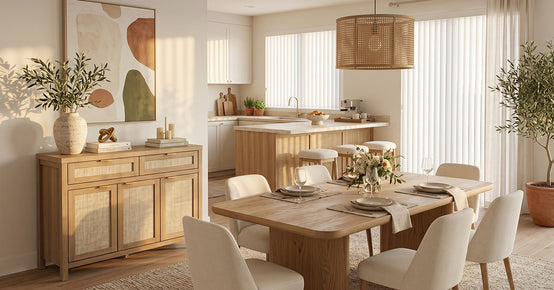
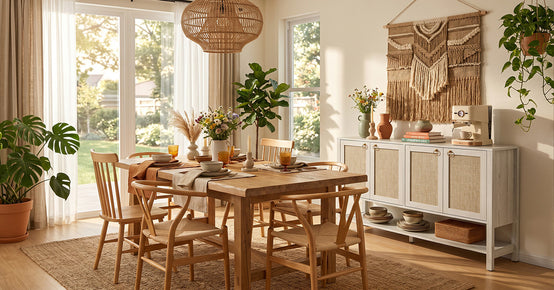
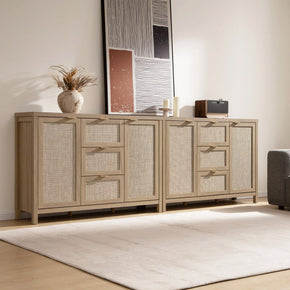
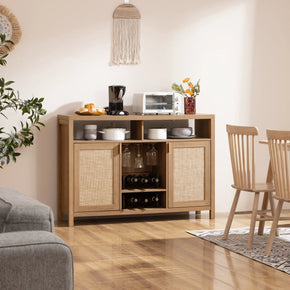
Good flow means you can move through the room without weaving around obstacles. Leave at least 2–3 feet of walking space between large items. In a dining room, for instance, a sideboard or buffet cabinet should be close enough to serve dishes but not so close that chairs bump into it.

Balance Function with Aesthetics
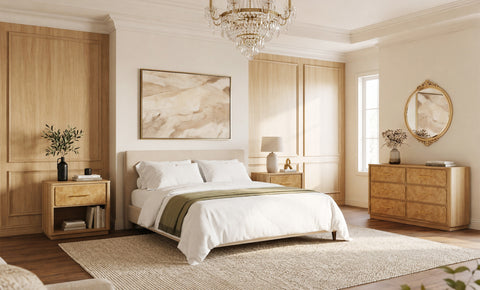
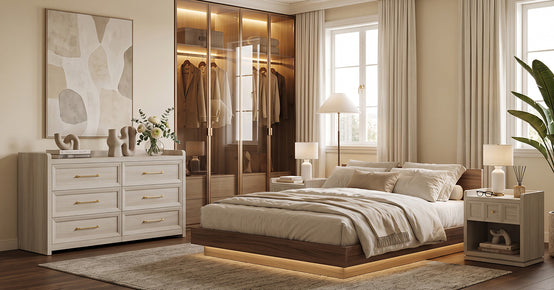
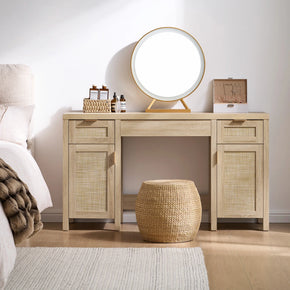
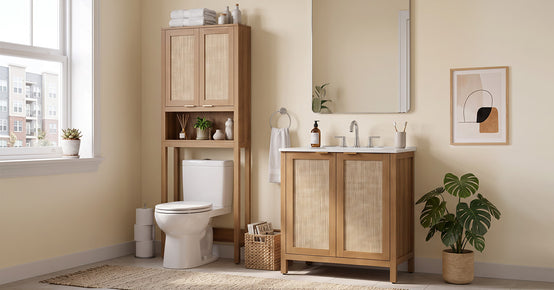
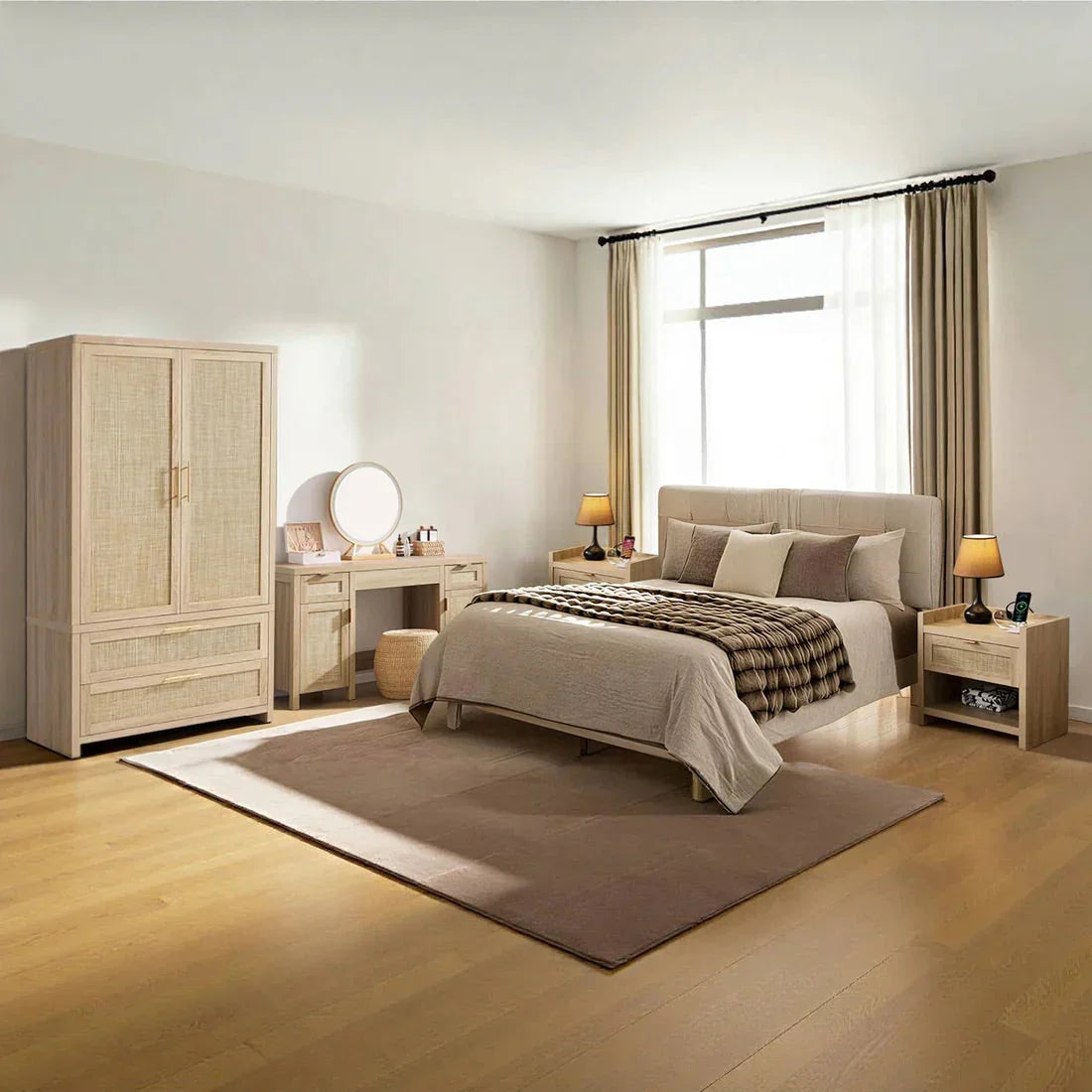
It’s easy to think about style, but the best layouts blend looks with function. If you’re working with a wardrobe and vanity bundle, position the wardrobe where it’s most practical for clothing storage and let the vanity face natural light — perfect for getting ready with ease.

Use Symmetry and Asymmetry Strategically
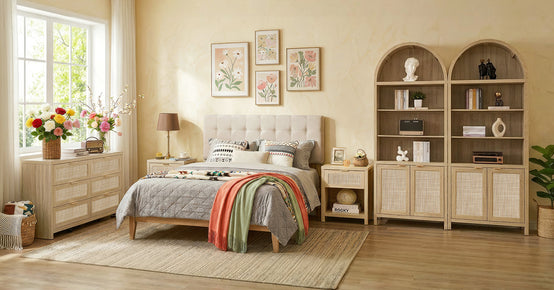
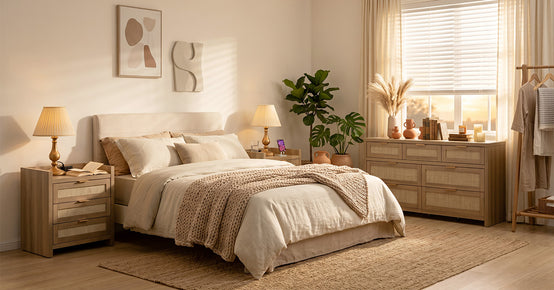
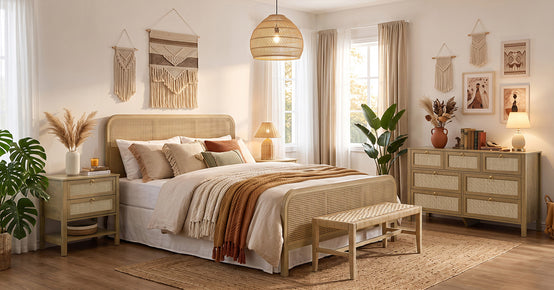
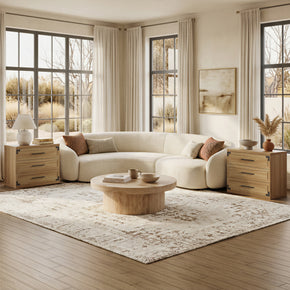
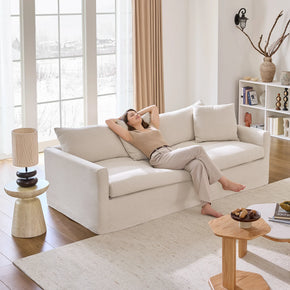
Symmetry creates order, while asymmetry adds visual interest. Pair a rattan nightstand on one side of the bed for balance, or break it up with mismatched tables for a more playful vibe. In living spaces, flank a sofa with matching lamps for symmetry but vary textures (wood + metal) to keep things dynamic.

Think Vertical as Well as Horizontal
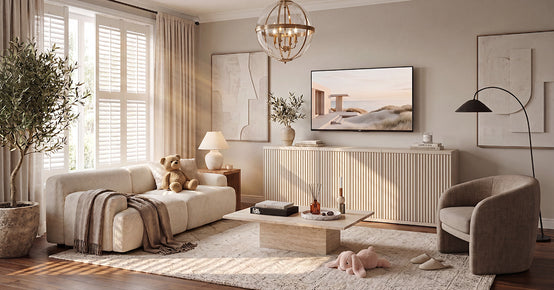
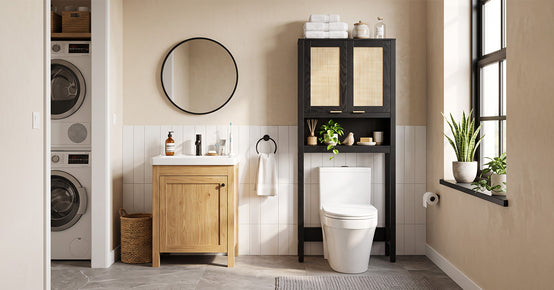
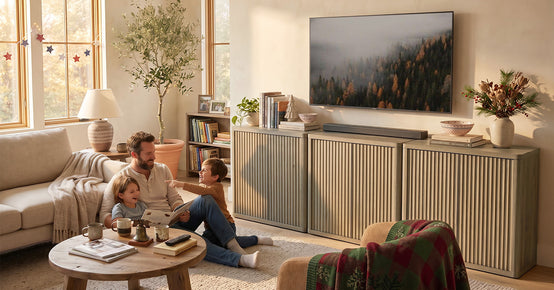
Compact spaces often benefit from looking upward. Place tall pieces like wardrobes or shelving units against walls to draw the eye up and free floor space. Then, keep low-profile items like benches or coffee tables centered to open the room visually.

Test and Adjust
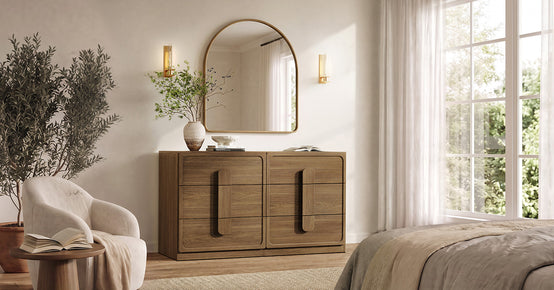
Don’t be afraid to experiment. Sometimes shifting a sideboard a few inches or swapping the placement of a desk can make the entire room feel more open. Take photos after each layout change — seeing your room on camera can help you notice imbalances you might miss in person.

Furniture placement is both an art and a science. By focusing on balance, pathways, and the relationship between function and form, you’ll create a room that not only looks good but feels effortless to live in. At SICOTAS, our thoughtfully designed pieces — from multifunctional desks to sleek nightstands — make it easy to build spaces that flow beautifully.


Looking for something else?

Burl Wood Furniture: The Complete Buying Guide
LEARN MORE
What Is a Hope Chest? Meaning, History, and Modern Uses
LEARN MORE
What Is a Foyer? Meaning, Purpose and Design Guide
LEARN MORE
GREENGUARD Gold Certified Furniture: What It Really Means for Your Home
LEARN MORELooking for something else?

How to Clean a Mirror Without Streaks: Simple Step-by-Step Guide
LEARN MORE
21 Above-Bed Decor Ideas for a Stylish Bedroom Wall
LEARN MORE
Furniture Materials Guide: Picking the Right Material Room by Room
LEARN MORE


Further reading

18 Decorative Storage Box Ideas That Hide Clutter Well

How to Store Comforters Without Losing Space or Loft


