




How to Organize a Bookshelf: Simple & Smart Tips
A well-organized bookshelf does more than hold paper—it calms a room, tells your story, and makes everyday life easier. If you’ve been meaning to tame that leaning tower of paperbacks or give a wall of hardcovers a fresh start, this is your gentle, step-by-step guide to how to organize a bookshelf. We’ll cover practical methods (by genre, author, color, or size), layout ideas for how to organize a bookshelf with a lot of books, space-saving strategies for small apartments, and even how to organize books without a bookshelf. Throughout, we’ll keep your setup realistic, pretty, and easy to maintain—and point to furniture silhouettes from the bookcases that suit each approach.
Start Clean: Empty, Sort, Decide
Begin by clearing the shelves completely. It’s tempting to shuffle things around in place, but a reset gives you control over dust, spacing, and order. As you remove books, make three stacks: keep, relocate, donate. “Keep” holds what you actually read or reference; “relocate” moves cookbooks to the kitchen or art books to the living room; “donate” frees space and helps others. This small triage makes every later decision easier.
Once you’ve pared down, glance at the room itself. Are the finishes warm or cool? Is the palette subdued or colorful? Your book arrangement can either disappear quietly into the room or become a feature. Decide which you want before you start.
Choose an Organizing Method You’ll Actually Maintain
There’s no single right answer for how to organize a bookshelf; there’s the way you’ll stick with. Here are the most popular systems, with who they suit best.
By genre or category. Fiction, non-fiction, memoir, design, reference, poetry—simple and intuitive. Within each genre, alphabetize or arrange by author. This is ideal for lively readers who search by subject first.
By author (A–Z). Classic library logic that never goes out of style, especially if you reread. Add small labels inside the shelf edge if your collection is large.
By color. Aesthetically pleasing and surprisingly functional if you’re visual. Create soft gradients (e.g., white → cream → tan → brown) rather than hard rainbow blocks for a calmer look, especially on tall cases.
By size and format. Tall art books together, standard hardcovers together, paperbacks together. This keeps shelf heights efficient and prevents wasting vertical space with oversized gaps.
If you have a large, mixed collection, don’t be afraid to combine systems: genre first, then size, then color, for example. The goal is to find your book in seconds and love the look from across the room.
Map the Case: Heavy Low, Often-Used at Eye Level

Books are dense. The simplest way to keep a shelf safe and visually calm is to load the bottom third with the heaviest items. Oversized hardcovers, encyclopedias, and multi-volume sets belong here; they stabilize the whole case. Keep everyday reads between knee and eye level where your hand naturally reaches. Reserve the highest shelves for seasonal or sentimental titles you don’t need daily.
If your case has adjustable shelves, set clear “zones” before you fill in: one or two tall bays for art books, two or three standard bays for hardcovers, and one tighter bay for paperbacks. Adjusting shelf heights now saves tons of frustration later.
Spines In or Out? A Calm Middle Ground
There’s an ongoing debate about flipping books with spines inward for a neutral look. A softer compromise is to turn only the most visually busy paperbacks inward on one or two shelves and keep the rest spine-out. Another trick is to use book jackets selectively—remove overly reflective or damaged jackets, and keep the ones that add to your palette.
Vertical vs. Horizontal Stacks
A purely vertical wall can feel rigid; a purely horizontal stack can feel messy. Use both. Stand the majority of books vertically for readability, then add one horizontal stack per shelf to break the rhythm. That low stack doubles as a riser for a small bowl, clock, or plant. Place those “rest stops” where the eye needs a breather—usually the center shelf and one of the upper shelves.
Keep a Third of Every Shelf as Breathing Room
Negative space is your friend. Plan to leave roughly 30–40% of each shelf empty. It’s easier to maintain, looks more refined, and keeps pulls, cords, and fingertips from knocking things over. If your collection is overflowing, this guideline is your nudge to split the load across two cases or add a narrow tower. You’ll find both wider units and narrow bookcases for small spaces in the SICOTAS selection.
Label Smart (Without Looking Like a Library)
If you manage a large family collection, subtle labels keep peace. Slide a small, clear label on the underside of a shelf lip for “Reference,” “Classics,” or “Kids’ Favorites.” The cue is there when you need it, invisible when you don’t. For children’s rooms, color icons on the inside of the case make clean-up fun and fast.
How to Organize a Bookshelf With a Lot of Books
When the collection is serious, structure matters. Keep spans modest—wide shelves bow over time under book weight. If your shelves are adjustable, set the pins so each shelf is supported at both sides and, if possible, the back. Place the heaviest runs at the bottom and center where the cabinet is strongest. If the case allows, use a vertical center stile or convert one wide shelf into two narrower ones to cut span length.
Group multi-volume sets together, then “feather” single hardcovers around them to ease the visual weight. If you want color harmony without sacrificing function, sort by genre, then lightly gradate spine color inside each genre. You’ll still find everything quickly, and the wall reads more intentional.
Style vs. Storage: Finding Your Line
A bookshelf can carry purely books or a mix of books and decor. Decide your ratio—70/30, 80/20—and stick close to it. If you’re heavy on storage, keep decor large so it doesn’t look fussy. One substantial vase, a framed print leaning behind a row, or a single sculptural object is better than a cluster of trinkets. If you’re display-forward, limit objects to the middle band of shelves and keep the top and bottom mostly books so the case still feels practical.
Cords, Notes, and Real Life
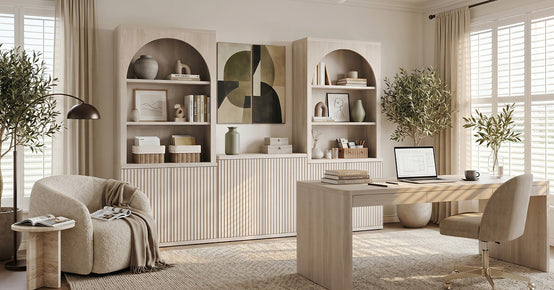
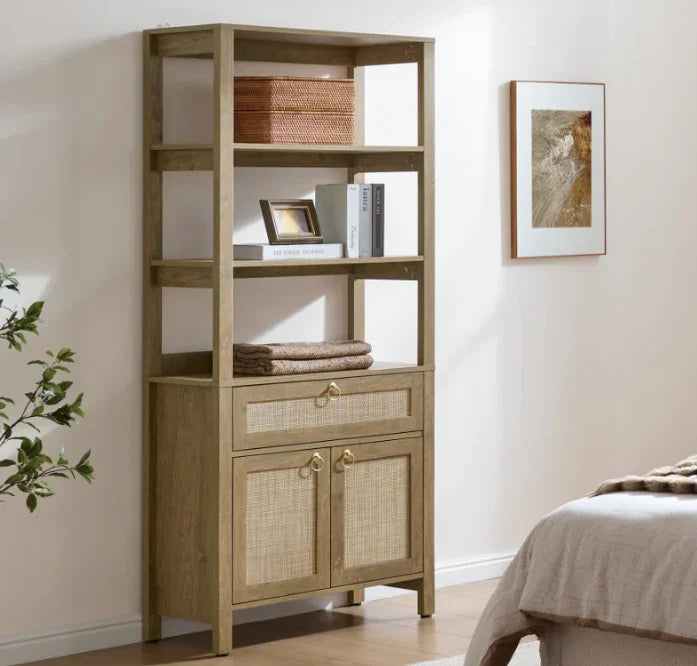
Real shelves hold chargers, notebooks, and keepsakes. Corral them. Two matching boxes on the bottom shelf will hide daily clutter while still looking part of the plan. Choose boxes that echo the bookcase finish—wood tone, matte light, or woven fiber—so they blend naturally. If your bookcase has lower doors, even better: let closed storage handle the necessary mess and keep open shelves for the tidy story above.
How to Organize Books Without a Bookshelf

No furniture yet? You still have options.
- Wall ledges. Shallow picture ledges handle small runs of favorites face-out. Keep weight reasonable and use proper anchors.
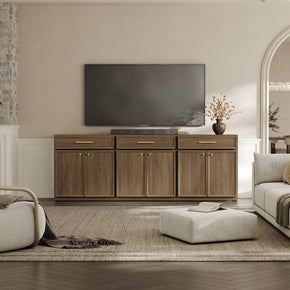
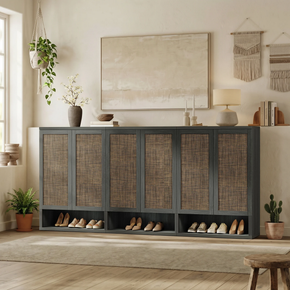
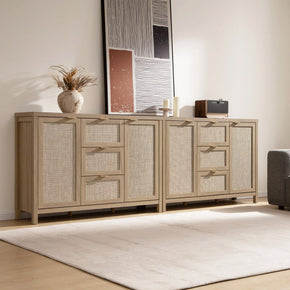
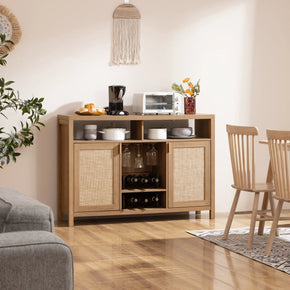
- Console or sideboard. A low cabinet with doors swallows the less-pretty items and leaves the top for short stacks and a lamp.
- Under-bed bins. Seasonal or sentimental titles can live in shallow bins with spine labels. Rotate a few onto a coffee table tray.
- Temporary crates. Stack two sturdy crates on their sides to create a makeshift bay. Anchor if you have children or pets, and keep the stacks low.
- When you’re ready for the real thing, measure your space and browse silhouettes—tall, low, narrow, with doors or open—across the bookcases. Pick a canvas that fits your room and the system you’ll maintain.
Small Spaces: Organize Up, Not Out
If floor space is tight, go vertical and keep the footprint slim. Tall, narrow units let you sort by category without sacrificing walking room. Place the heaviest books on the lowest two shelves, use mid-shelves for daily reads, and keep the top shelf for display or rarely used volumes. Light finishes soften the visual footprint; darker finishes can look sharp if you repeat a lighter object three times across the height to break up the mass.
Create a “Working” Middle Shelf
Every bookshelf benefits from a functional spine—one shelf at eye height that you treat as a command center. Keep current reads, a notepad, and a pen cup here. Because it’s the shelf your hand visits daily, it becomes self-maintaining, and the rest of the case stays neat. This trick is especially useful in home offices and study nooks.
Kids’ Rooms: Make It Reachable and Anchored
For young readers, lower shelves win. Place picture books in bins and board books on the very bottom so kids can help themselves. Chapter books go just above. Keep breakables out of reach and anchor the case to wall studs. If you want to sneak in a little design, use a single color-coded label inside the shelf lip—green for school books, blue for favorites. It’s order without a lecture.
Dusting, Jacket Care, and Shelf Health
A feather duster gets around spines quickly; a soft cloth does deeper work on each row. If you’re in a bright room, UV can fade jackets over time. Keep your most precious dust jackets tucked safely in a document sleeve and display the bare hardcover; switch jackets for guests or photos. If your shelves bow, move the heaviest books lower, tighten supports, and consider adding a front edge strip for strength. The payoff: straighter lines and less fussing.
Decorating Within an Organized System
You can add beauty without losing logic. Tuck a small framed photo behind a row of paperbacks, display a ceramic bowl atop a horizontal stack, or introduce a single trailing plant at the end of a shelf. Repeat colors from your rug or artwork on two or three shelves so the case feels tied to the room. The decor should serve the story, not compete with it.
Room-by-Room Notes
Living room.
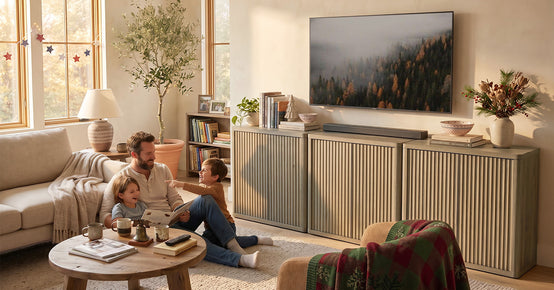
If the bookshelf flanks a TV, keep the center shelves especially tidy. A mix of novels, a few art books, and one grounded object per shelf reads clean on camera and in person. Closed storage below keeps remotes and chargers out of sight.
Home office.
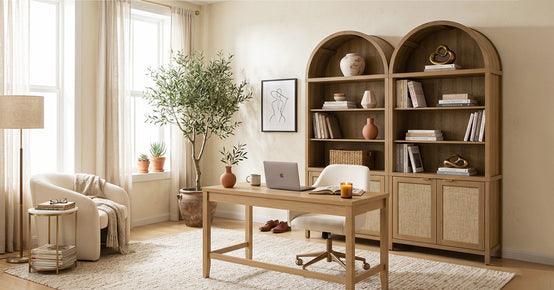
Reference goes prime: manuals and binders at arm’s reach, archives and rarely used volumes high or low. Label discreetly and resist the urge to stack paper on top of shelves; a single magazine file is enough for incoming items.
Bedroom.
Calm helps you sleep. Rotate active reads to the middle, keep decor quiet, and use boxes low for stray items. One plant is plenty.
Entry or hallway.
Depth matters. Use shallow shelves, keep spines flush so they don’t snag clothing, and choose a consistent size grouping so the narrow passage doesn’t feel busy.
Safety First (Quietly)
Anchor tall cases to wall studs with the provided hardware. Place heavy sets low. If your bookcase sits on an uneven floor, shim and recheck that shelves are level; uneven loading contributes to wobble and premature sag. Safety is invisible when done right—and that’s the goal.
A Gentle Routine to Keep It Organized
Once a month, give the middle shelf a two-minute tidy. Return strays, re-square the rows, and remove one item you no longer need out front. Twice a year, run a quick audit: anything you haven’t touched in twelve months can graduate to a secondary spot or move on to a new reader. Light, regular touch-ups beat big, stressful overhauls.
Frequently Asked Questions
What’s the best way to organize if I’m overwhelmed?
Pick one system—genre or size—and commit for a week. Don’t try to perfect color, size, and author at once. Once that base is in place, you can refine a shelf at a time.
How do I organize a bookshelf with a lot of books and still make it attractive?
Divide by category, keep spans modest, load heavy sets low, and insert a few horizontal stacks to break the lines. Leave breathing room so the wall doesn’t feel dense.
Can I organize without a bookcase?
Yes. Use wall ledges for small runs, a console or sideboard for hidden storage, and a rotating tray on a coffee table for current reads. Add a proper case when you can; choose the right size from the collection and your system will transfer easily.
Should I color-code or alphabetize?
Both work. If you remember book colors, color-code within categories; if you search by author, go A–Z. The best system is the one you’ll maintain without thinking.
Bringing It All Together
Learning how to organize bookshelf spaces well is a mix of simple decisions and gentle maintenance. Empty and sort, choose a system you’ll actually use, map heavy and everyday zones, blend vertical rows with a few horizontal stacks, and protect negative space so the arrangement breathes. Whether you’re exploring how to organize a bookshelf for the first time, managing how to organize books without a bookshelf until furniture arrives, or tackling how to organize a bookshelf with a lot of books, you now have a calm process you can repeat in any room.
When you’re ready to match your method to the right furniture—tall with doors, low and long, or narrow towers—explore the current silhouettes in the bookcases. Choose the canvas that fits your space, and the organization will practically run itself.


Looking for something else?

Burl Wood Furniture: The Complete Buying Guide
LEARN MORE
What Is a Hope Chest? Meaning, History, and Modern Uses
LEARN MORE
What Is a Foyer? Meaning, Purpose and Design Guide
LEARN MORE
GREENGUARD Gold Certified Furniture: What It Really Means for Your Home
LEARN MORELooking for something else?

How to Clean a Mirror Without Streaks: Simple Step-by-Step Guide
LEARN MORE
21 Above-Bed Decor Ideas for a Stylish Bedroom Wall
LEARN MORE
Furniture Materials Guide: Picking the Right Material Room by Room
LEARN MORE


Further reading

18 Decorative Storage Box Ideas That Hide Clutter Well

How to Store Comforters Without Losing Space or Loft


