





15 Living Room Arrangement Ideas to Transform Any Space
Most living room arrangement ideas you find online were written by people who've never actually dragged a sofa across a hardwood floor at 11 PM.This Houzz collection of living room layouts gives you a wall of real-room photos to scroll through, but the layout choices behind them only make sense once you've actually lived with a few of your own. Cool. Not helpful. I've done that exact move at least seven times across five apartments since 2017 — and what I can tell you is, the layout matters way more than the furniture itself. Below are 15 floor plans designers actually use (and a few mistakes I learned the expensive way). Long narrow space, square room, open-concept floor plan, plain awkward — one of these will fit.
15 Living Room Arrangement Ideas That Actually Work
Each of the living room arrangement ideas below works in specific situations. Pick the layout that matches your room's shape, your focal point, and how you actually use the space — these living room layout ideas are meant as starting points, not rigid templates.
1. Float the Sofa Off the Wall

The single biggest layout improvement most people can make? Pull the sofa off the wall. Seriously. When everything hugs the perimeter, the room ends up with a giant empty hole in the middle and seating that feels disconnected from itself. I moved my sofa about three feet away from the back wall in my old Chicago apartment a couple of years ago, and the room felt twice as big within ten minutes. A console table behind it works as a landing spot for lamps, books, keys, your phone charger — whatever ends up there. Designers swear by this move. Once you try it, you get it.
2. Two Sofas Facing Each Other

Two sofas facing each other create a balanced, formal conversation area. Classic move for square rooms and larger living spaces. They don't have to match exactly, either — different fabrics on the same shape work great, sometimes better. I had this setup in a rental once and loved it for dinner parties. Hated it for movie nights, though, since neither sofa faced the TV. Add a coffee table in the middle, and the layout practically forces people to talk to each other. The catch? You need real floor space. Narrow rooms can't pull it off — no room to walk between sofas facing inward.
3. Sofa with Two Chairs Across from It

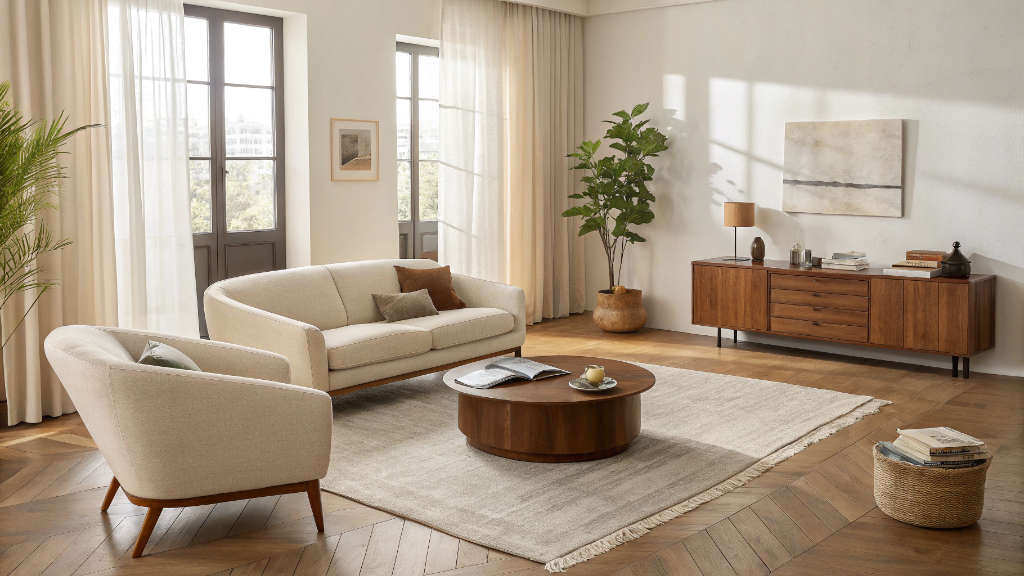
This is the layout I'd bet money on. Sofa on one wall (or floating), two accent chairs across from it, ottoman or coffee table in the middle. That's it. It works in studio apartments. It works in open-concept McMansions. It just... works. Swivel chairs make it even better because you can spin toward the TV or the fireplace or whoever's mid-story without getting up. Designers reach for this one when they're not sure what else to do — and that's not a weakness, that's why it's reliable.
4. Four Armchairs Around a Coffee Table

Forget the sofa. Four armchairs around a round coffee table is one of the coziest setups you can build — and honestly, the most underrated. It shines in smaller living rooms or formal sitting rooms where a full sofa would just feel like too much. Plus, nobody has to fight over the middle cushion. Everyone gets a proper seat. Pair the seating with a Savanna Arched Bookcase against the wall for storage and a bit of vertical lift.
5. U-Shaped Seating Arrangement

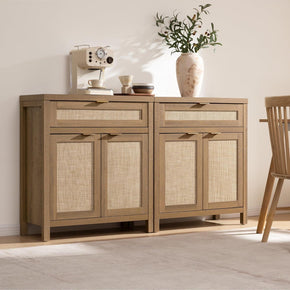
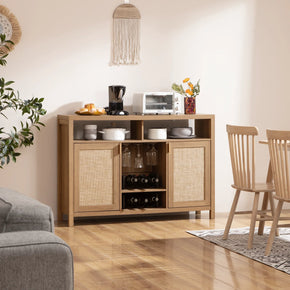
Three walls. Three pieces of seating. Sofa on the long one, loveseat opposite, chairs or a long bench across the third. All facing in. This is the move for railroad apartments or any room where you want as much seating as humanly possible without killing the flow. A small round coffee table in the middle keeps everyone from tripping. Tuck a Savanna Sideboard with three drawers along one wall, and you've got storage too — without breaking the U-shape rhythm.
6. L-Shaped Sectional in the Corner

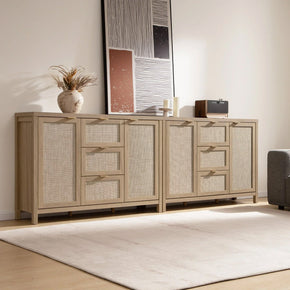
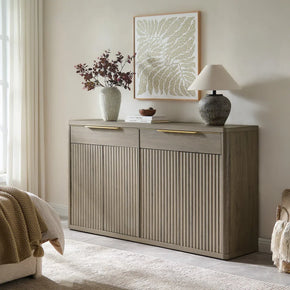
For families and movie nights, nothing beats an L-shaped sectional. My old one basically became the cat's third-favorite spot in the apartment. These pack maximum extra seating into a corner, give everyone their own zone, and visually anchor the room. Pair it with a couple of accent chairs across for a balanced conversation area when company comes. A Stria Sideboard with 2 Doors tucked along the opposite wall holds the TV, board games, or whatever else needs to be hidden from view.
7. Create Distinct Zones in Long Rooms

Long living rooms — the bowling-alley type, you know the ones — need to be broken into zones, not stretched into one endless seating area. My friend has a 12x26-foot living room that screams for this treatment. Two area rugs, two coffee tables, two distinct conversation pockets. Maybe a TV zone at one end, a reading nook at the other. Or a fireplace setup on one side and a small desk on the other. The Sicotas living room furniture lineup has pieces sized for exactly this kind of split — different scales for different zones, but cohesive enough that the room still reads as one space.
8. Angled Chairs for Visual Interest

Weird thing about angled chairs. I never noticed how stiff parallel lines of furniture look until a friend rearranged her chairs on a whim, and the room suddenly felt warmer. That's the secret right there. Tilt your accent chairs maybe 15 or 20 degrees off parallel — that's all it takes. Two chairs angled toward each other and the sofa make a soft little triangle that pulls the whole room together. Helps when the fireplace sits off-center, or when nothing in the room quite lines up. Move them three feet. Sit there for a week. You'll see what I mean.
9. Sofa Along the Long Wall (for Narrow Rooms)

My first apartment was a Brooklyn brownstone. Living room measured nine feet wide and seventeen feet long. So, yeah. Sofa went along the long wall, no other option. Doesn't have to feel like a hallway though, and that's where most people give up too early. Pair the sofa with a heavy coffee table in front, and put two chairs facing it — perpendicular to the sofa, never parallel. That single move breaks the corridor feel and gives you something that reads as an actual seating area instead of a waiting room.
One detail nobody mentions: don't shove the sofa flush against the wall. Pull it out about six inches. Sounds like nothing. It isn't. That tiny gap is the difference between a train car and a room you'd want to sit in.
10. Three Walls of Seating

Narrow room with three usable walls and only a doorway or two breaking them up? Line all three walls with seating. Sofa on the longest wall. Loveseat on the second. A bench or two chairs on the third. It's basically a U-shape, except pushed right to the walls instead of floated in the middle. Goes against the "always float your sofa" thing every designer repeats, but sometimes the room is too narrow to float anything at all. Lean into it. What you end up with is a cozy little conversation pit, maximum seating, zero wasted floor.
11. Anchor the Room Around the Fireplace

Fireplaces are tricky. They're permanent, gorgeous, and impossible to ignore — so stop trying. Anchor the seating around the hearth instead. Sofa facing it, two swivel chairs at a soft angle flanking the fire. January in this kind of layout? Magical. Slot a Helio Decorative Sideboard Cabinet on the opposite wall from the TV so it doesn't compete with the mantel for attention. Two focal points in one room is one too many.
12. Place the TV Across From the Sofa

Mounted my TV way too close to the couch once. Maybe five feet. By week three I had this dull headache from constantly looking up. Lesson learned the hard way — distance matters way more than people realize. Rough designer rule: the TV should sit somewhere between 1.5 and 2.5 times the screen size away from where you actually sit. So a 50-inch screen wants somewhere in the 6 to 10 feet range.
The sofa is almost always the best seat in the room, so place it first, and figure the TV out after. Across from the sofa is the classic answer. Above the fireplace works too, as long as the height isn't ridiculous. Side wall is a fallback if nothing else fits. The one thing to avoid: don't let the TV become the only thing the room is built around. That's how living rooms start looking like airport gates.
13. Use an Area Rug to Define the Seating Area

Got rug shopping completely wrong once, and lived with the regret for almost two years. Bought a 5x7 wool number, slid it under an 84-inch sofa, and the whole thing looked like someone had dropped a postcard on the floor. Front legs of every sofa and chair belong on the rug. That's the rule that actually matters.
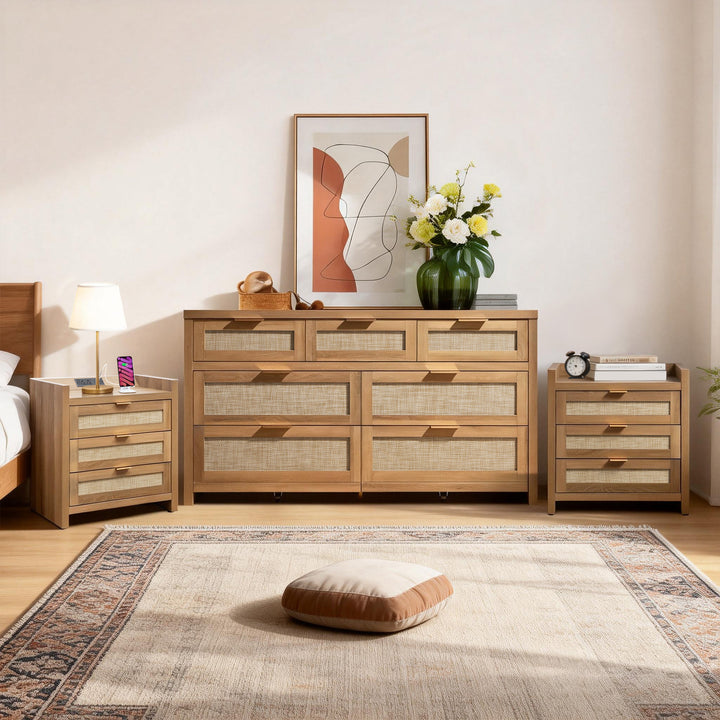
For most average living rooms, a 9x12 is a solid starting point. Smaller spaces, an 8x10 usually does fine. Both are common ranges, not hard rules — how your sofa and chairs are angled, plus how much bare floor you want showing, will shift the right size. Go smaller than that and the rug floats awkwardly under the coffee table, and somehow makes the whole space look worse than skipping a rug entirely. Wouldn't have believed it until I lived through it. A Savanna Console Table tucked behind the sofa picks up the wood tones in the rug and visually pulls the whole arrangement together.
14. Mix Sofas and Armchairs Instead of a Sectional

Sectionals are great — but they're also chunky. If your room can handle a mix of seating, take it. A sofa for stretching out. Two armchairs for guests. A small bench or ottoman for the random overflow person who shows up. Different shapes keep the eye moving, which honestly makes the room feel more designed than a single matching set ever will. Just don't let the materials clash. Same wood family, similar palette, varied shapes. That's the rule.
15. Skip the Sofa — Go All Armchairs

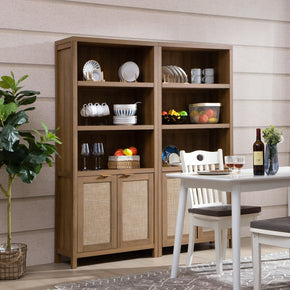
In a really small living room, the sofa just doesn't fit. Period. My sister's first studio in Boston was maybe 350 square feet — a full couch would've taken half the floor. So she went with three armchairs and a small ottoman instead. Same seat count. Half the bulk. And looked intentional, not budget. Pair the seating with a Willow 75-inch Tall Bookshelf for vertical interest and storage without eating up floor space. Tight quarters never have to feel cramped.
How to Choose the Right Living Room Arrangement
Three things settle most decisions when you're choosing the right living room layout or arrangement for small, long, or square rooms: the room's shape, the focal point, and how you actually use the space. Walk into your living room. Where does your eye land first? That's probably your focal point — fireplace, window, TV, or built-ins. Build the seating around it. Then think about traffic flow. Where do people enter and exit? Don't block those paths. Last thing: be honest about how you actually use the room. Is it a TV room? Reading space? Hosting room? The right floor plan reflects what really happens there, not what you wish would happen there — and that's especially true in small, long, or square rooms where every layout choice gets magnified. I've made that mistake more than once.
Common Living Room Arrangement Mistakes to Avoid
Even with great furniture, a few small layout choices can throw the whole room off. Here are the biggest ones I see again and again.
Pushing Every Piece Against the Wall
The most common mistake, by a mile. Lining the walls with furniture leaves a giant empty 这个middle and zero visual interest. Pull the sofa into the room at least — even a foot or two changes everything. Old habits die hard, I know, but trust me on this one.
Choosing the Wrong Rug Size
A small rug under a large sofa is the layout equivalent of wearing pants two sizes too short. It throws everything off. Go bigger than you think you need. 9x12 is the right size for most rooms. I've never once regretted upsizing a rug. Downsizing? Different story.
Blocking Natural Walkways
Furniture should guide movement, not stop it. Leave at least 30 inches of clear walking space between major pieces. Three feet is better near main entryways or doorways. Anything tighter and people start brushing against the sofa every time they walk through.
Ignoring Scale and Room Proportions
Massive sectional in a tiny room? Tiny side tables next to a huge sofa? Both feel off. Match the furniture scale to the room size, and pair pieces that work together proportionally. When in doubt, go slightly smaller. You can always add.
Final Thoughts

The best living room arrangement is the one that matches how you actually live, not how some Instagram account thinks you should live. Take a tape measure to the room before anything else. Tape out the furniture footprint on the floor — actually tape it, with painter's tape — before placing a single order. (Ignored that advice twice. Regretted it twice.) Move pieces around. Live with each layout for at least a week before deciding it doesn't work, because the brain genuinely needs time to settle into a new arrangement. Once you've got the bones figured out and you're filling in the gaps, the Sicotas Furniture range has sideboards, console tables, and bookshelves built for rooms people actually use — not the staged ones in magazine shoots.
FAQs
How should I arrange my living room?
Honestly? Find the focal point first — fireplace, big window, whatever the room is built around. That's where the sofa points. Chairs across or beside it, a coffee table in the middle holding everything together. Give yourself 30 inches between pieces, or it'll feel cramped. And yes, you will feel it the second you walk through.
What is the 2/3 rule for living rooms?
It's the proportion thing. The coffee table sits at about two-thirds the length of your sofa. Art hung above? Same rule — two-thirds of the sofa's width. Sounds nerdy until you've lived in a room where the room proportions are off. Then you'll not notice.
How do I make my living room look good?
You'd be surprised how much of this comes down to balance. Properly sized area rug. Lamps at different heights (not all overhead — please). Repeated colors so the room feels like it's having a conversation with itself. Furniture that actually fits the space. And leave room. Don't pack every corner. Space is the thing nobody mentions — but it's the thing that makes a good room good.
Where should I put the sofa and TV in the living room?
Sofa first. Wherever it can comfortably face the focal point of the room, the TV usually lands opposite the sofa for the best view—got a fireplace? Move the TV to a side wall — they don't need to compete. Trying to force both in the same line of sight is how living rooms end up looking like waiting rooms.
What is the 3/4/5 rule in interior design?
It's an odd-number grouping guideline for styling surfaces — think mantels, coffee tables, bookshelves, console tops. The idea is to arrange decorative objects in clusters of three, five, or seven rather than in even numbers. Odd groupings force the eye to move between the pieces, which reads as intentional and dynamic, while even-numbered ones tend to look static and overly symmetrical. Try it on the mantel, the coffee table, the bookshelf — once you start using it, even-numbered groupings will start looking off to you.
How do I arrange my room beautifully?
Clear focal point. Furniture that fits the size of the room. Rug to anchor the seating area. Lighting at three different heights. And — this one's huge — breathing room. Most people fail at the last one. They think more furniture is better. It isn't.
What are popular living room design styles?
Modern, transitional, farmhouse, Scandinavian, mid-century modern, coastal, minimalist, eclectic — all having moments right now. Pick the one that matches your actual house and how you actually live. Don't chase what's trending on Pinterest this month — that'll feel dated in 18 months. The styles that age well are the ones that suit your space.
Sources
- Apartment Therapy – Long Living Room Layout Tips That Helped Me Redesign My Space
- The Brain and The Brawn – Awkward, Narrow, or Long Living Room Layout Ideas
- Emily Henderson – Fix It Friday: Living Room Layout Solutions
- HGTV – Simple Living Room Layout Ideas
- HGTV – How to Arrange Your Living Room Furniture
- Mix and Match Design – Living Room Layout Ideas
- Wisteria – Living Room Layout Ideas: How to Arrange Any Space
- Westelm – How to Arrange Living Room Furniture


Stay In The Know
Expert advice. Very good deals. The absolute best (and worst) things we've tested lately.
Looking for something else?
How to Arrange Outdoor Furniture for Better Flow and Conversation
LEARN MORE
What Is Faux Leather Made Of? Materials, Types, and Care
LEARN MORE
Can Any Mattress Work With an Adjustable Bed?
LEARN MORE
California King Bed Size: Complete Dimensions, Chart & Buying Guide
LEARN MORERead more from Blogs
Looking for something else?
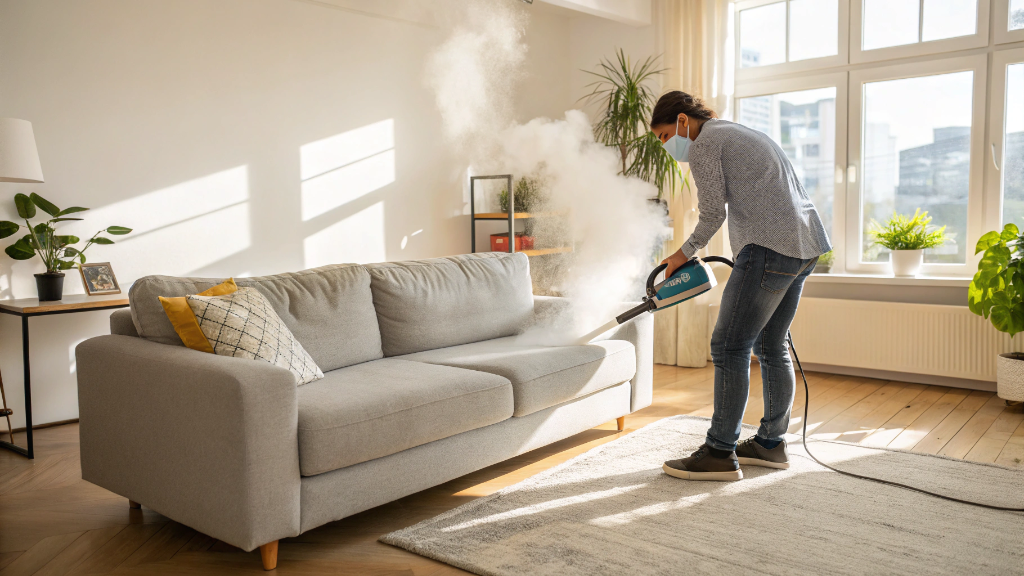
How to Steam Clean a Couch at Home Without Wrecking It
LEARN MORE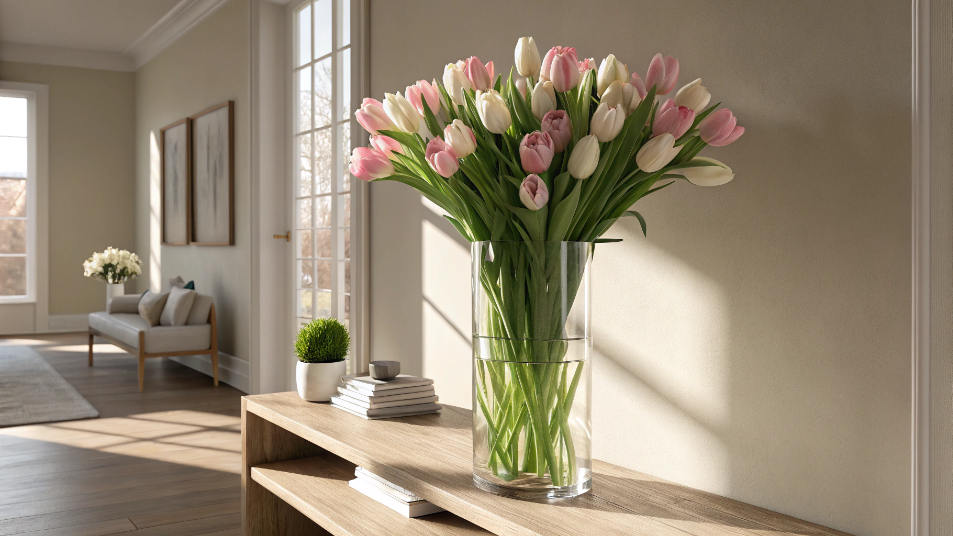
Best Vase for Tulips: A Florist's Honest Guide to Shape, Height, and Styling
LEARN MORE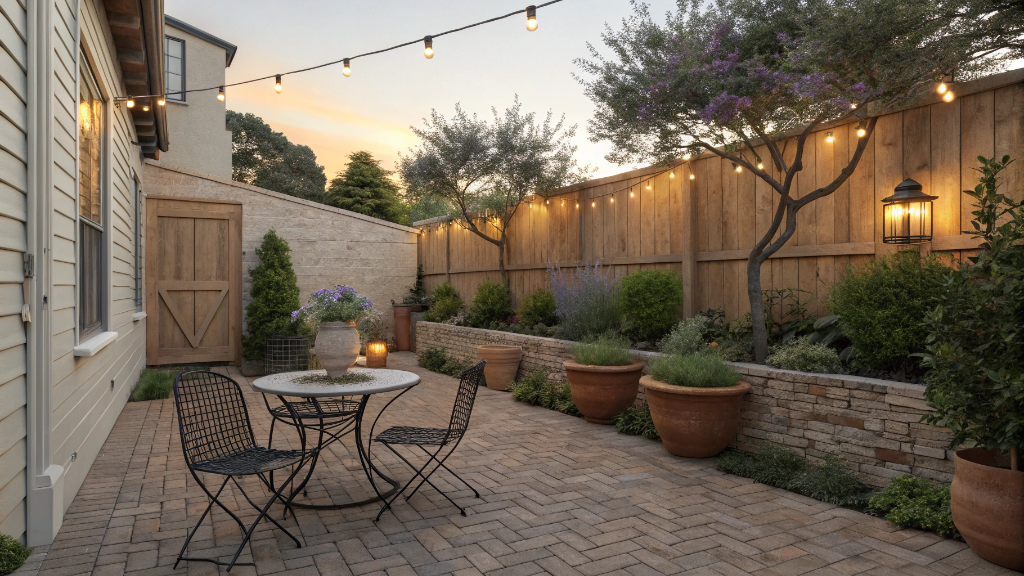
41 Small Outdoor Living Spaces Ideas to Transform Even the Tiniest Patio
LEARN MORERead more from Blogs
You may also like


Further reading
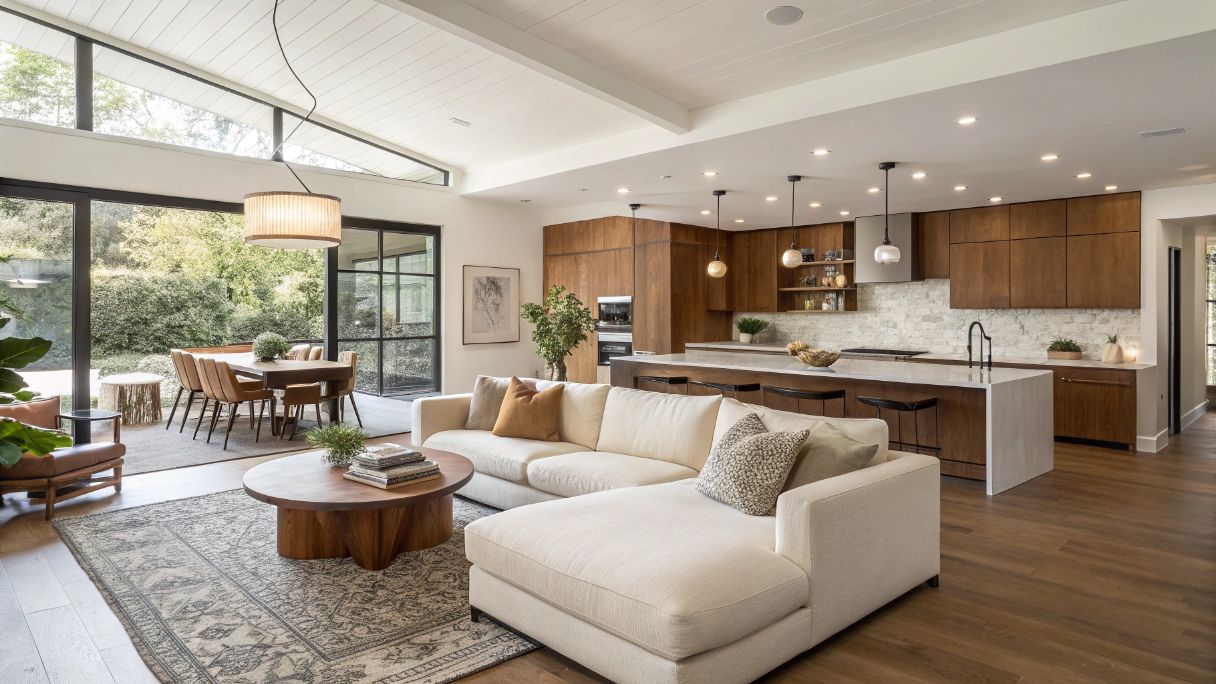
Sectional Sofas for Open Concept Living Rooms: Layout Rules That Work

21 Contemporary Interior Design Ideas to Transform Your Home in 2026


