




How to Organize Shoes in the Closet: Smart, Stylish, and Space-Saving Solutions
Shoes can easily turn a neat closet into chaos. Pairs get lost, soles scuff each other, and morning routines turn into treasure hunts. If you’ve been wondering how to organize shoes in the closet efficiently—without sacrificing style—you’re in the right place.
From compact apartments to walk-in wardrobes, there’s always a better way to make your shoe collection work for you. This guide will walk you through practical systems, creative furniture solutions, and expert-approved methods for keeping every pair in perfect order.
Why Shoe Organization Matters
Shoes take up more space than most people realize. Without structure, they pile up on the floor, collect dust, and even damage one another. Organizing them properly helps you:
- Save time—find what you need instantly.
- Protect quality—prevent scratches, bends, or moisture buildup.
- Maximize space—use every inch effectively.
- Enhance aesthetics—make your closet look curated, not cluttered.
When your footwear is neatly arranged, your entire home feels calmer and more functional.
Step 1: Take Everything Out and Sort
The first step in learning how to organize shoes is simple: start fresh. Empty your closet completely and group your shoes by type or frequency of use.
Sort them into categories like:
- Everyday shoes
- Formal and dress shoes
- Seasonal shoes (winter boots, summer sandals)
- Athletic or outdoor pairs
- Kids’ shoes, if applicable
Once you can see everything you own, it becomes easier to decide how to store them logically.
Step 2: Declutter Before You Organize

Decluttering is crucial to achieving lasting order. Go through each pair and ask yourself:
- Do they still fit comfortably?
- Have I worn them in the last year?
- Are they damaged or outdated beyond repair?
Donate or recycle what no longer serves you. This step makes the rest of your organization more manageable and meaningful.
Step 3: Assess Closet Size and Structure
The best way to organize shoes depends on your closet’s layout.
For Large Closets
Consider dedicated shelving, built-in racks, or floor-level cabinets. You can display shoes like a mini boutique—easy to browse and visually appealing.
For Small Closets
Space-saving solutions are key. Slim racks, over-the-door hangers, or stackable boxes help maximize every inch without overcrowding.
If you share storage space, label or separate zones for each family member to avoid mixing shoes.
Step 4: Use the Right Shoe Organizers
When thinking how to organize shoes in a small closet, focus on versatility. The right organizers transform clutter into order without adding bulk.
Here are some timeless options that work for all types of homes:
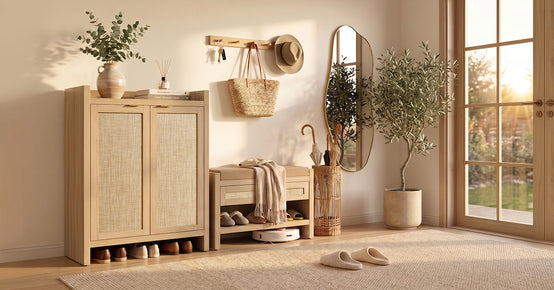
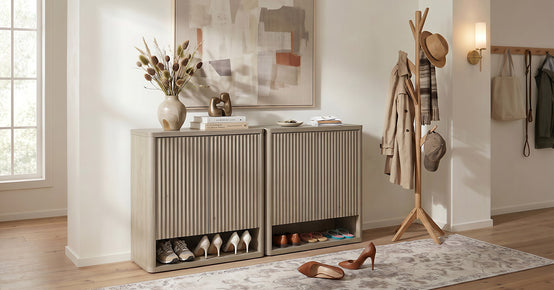
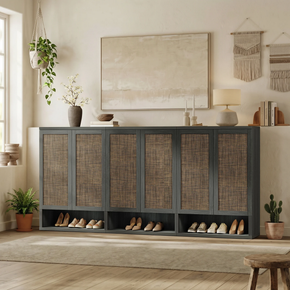
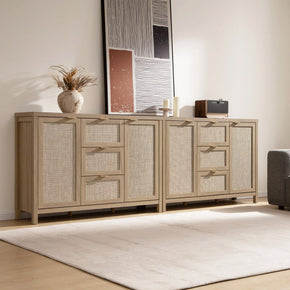
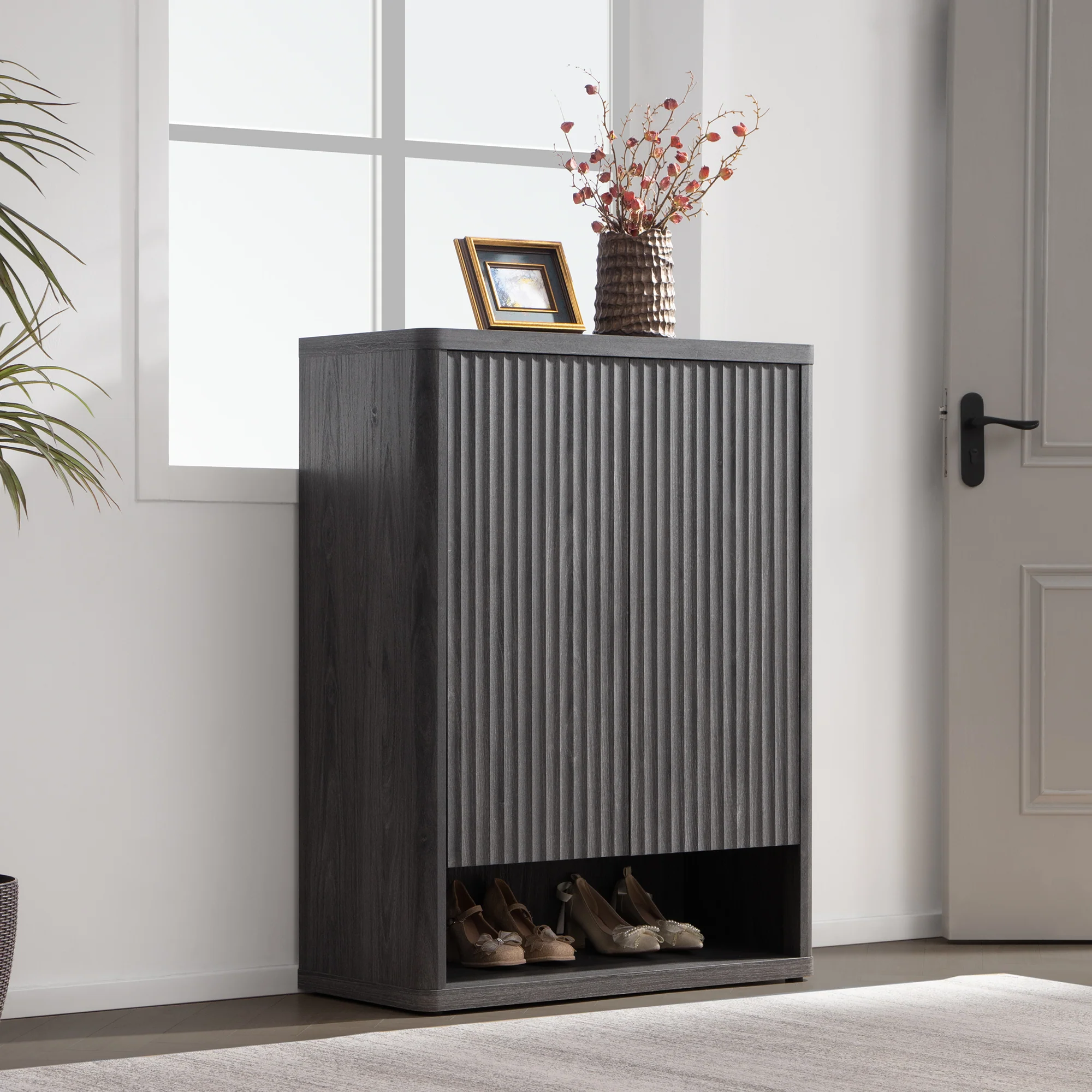
- Shoe Cabinets: Perfect for entryways or closet interiors. Closed cabinets hide clutter while protecting shoes from dust.
- Stackable Boxes: Transparent containers let you see what’s inside while saving vertical space.
- Under-Bench Storage: Ideal for keeping shoes near entrances—functional and stylish.
- Adjustable Racks: Expandable or multi-tier racks work well for growing collections.
Furniture pieces with clean lines, natural tones, and practical compartments fit beautifully into modern interiors.
Step 5: Organize by Category and Frequency

When deciding how to organize shoes in the closet, placement matters as much as the container.
- Keep everyday shoes at eye level or on easily accessible shelves.
- Store occasional shoes—like heels or boots—higher up or in labeled boxes.
- Group by category (sneakers, sandals, boots) for smoother mornings.
This approach not only keeps things tidy but also prevents wear and tear caused by constant reshuffling.
Step 6: How Do You Organize Kids’ Shoes in the Closet?
Kids’ shoes come in all sizes—and multiply quickly. Here’s how to maintain order:
- Use low shelves or baskets so children can reach and put shoes away themselves.
- Label sections or bins with photos for easy recognition.
- Keep seasonal or special shoes stored higher, rotating as needed.
Consistency is key—when every pair has a “home,” tidying up becomes part of the routine.
Step 7: Maximize Vertical and Hidden Space

Vertical storage is one of the best ways to organize shoes in smaller closets. Think upward and inward:
- Hang shoe organizers on closet doors.
- Use wall-mounted racks or hooks for boots and sandals.
- Store rarely used pairs in upper shelves or under beds in low-profile boxes.
Hidden spaces like corners, under-stair compartments, or behind closet doors often go unused—turn them into your secret shoe storage zones.
Step 8: Seasonal Shoe Rotation
Not every pair needs to live in your main closet year-round. Store off-season footwear in labeled boxes or bins, and rotate as the weather changes.
This keeps your everyday area uncluttered and ensures easy access to what you actually wear. For example:
- Keep boots and closed shoes up top during summer.
- Store sandals and slippers away during winter.
Regular rotation keeps your closet fresh and prevents shoe damage from prolonged disuse.
Step 9: Keep It Clean and Maintainable
Organization only works if it’s easy to maintain. To keep your closet looking sharp:
- Wipe or air out shoes before storing.
- Avoid over-stacking or cramming pairs together.
- Use cedar blocks or moisture absorbers to prevent odor.
- Dust shelves or cabinets monthly to keep the system fresh.
Taking a few minutes each week to reset your shoe area prevents chaos from returning.
Step 10: Combine Functionality with Style

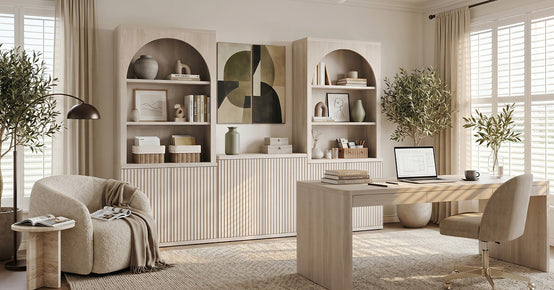
Your closet should be both practical and beautiful. Opt for furniture and storage accessories that complement your home’s design.
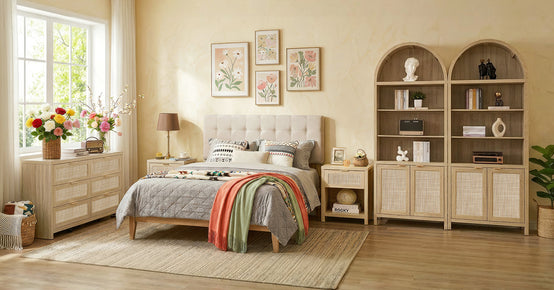
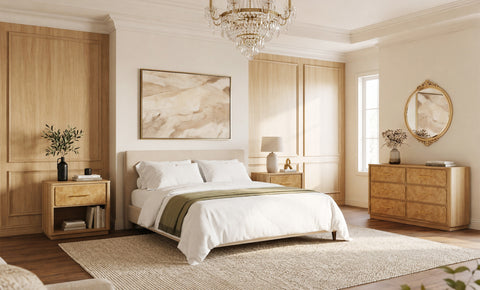
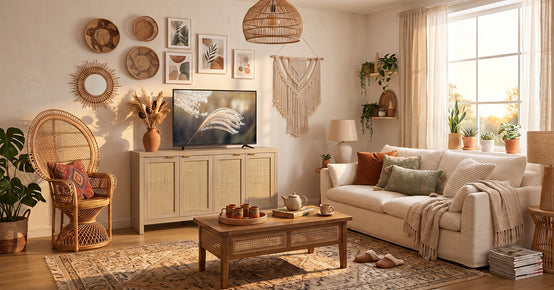
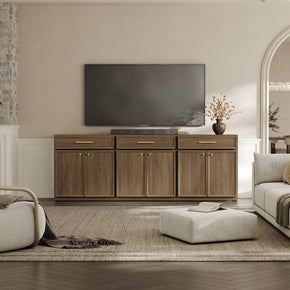
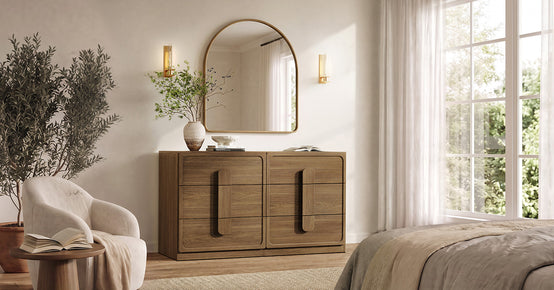
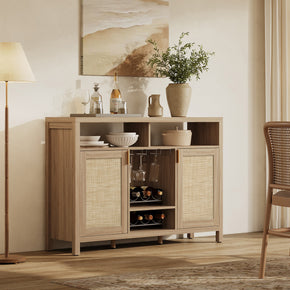
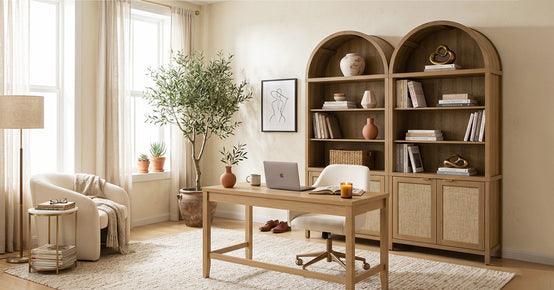
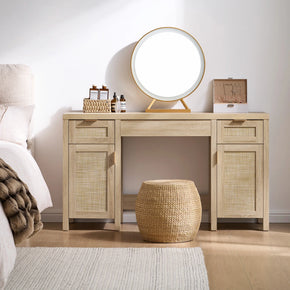
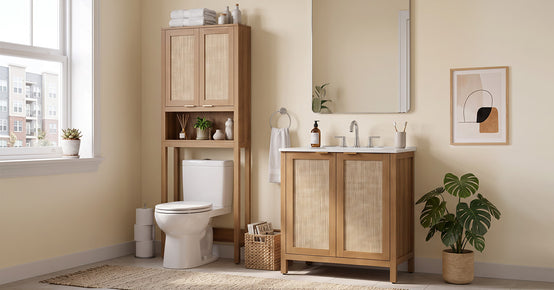
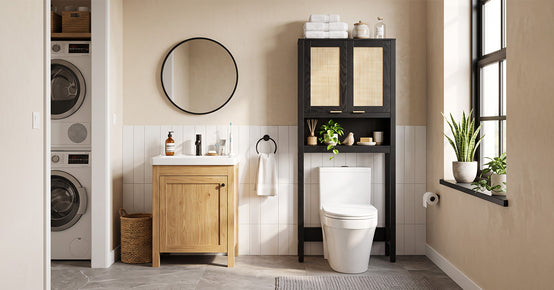
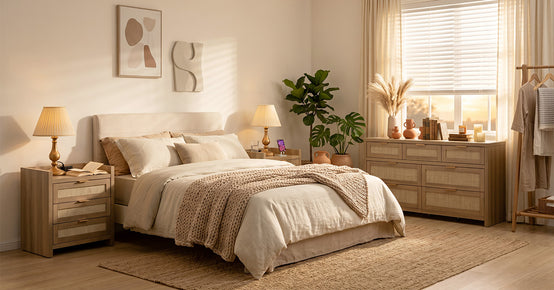
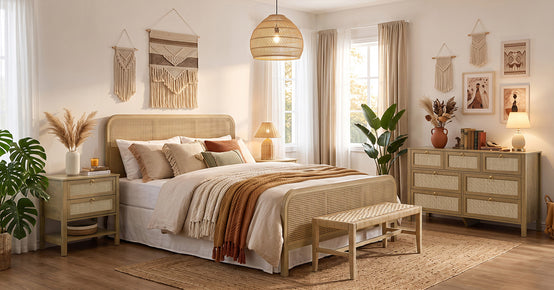
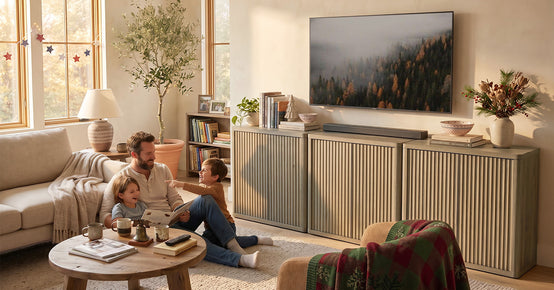
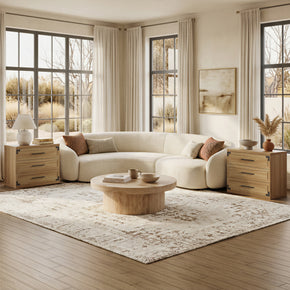
Wood-finished cabinets with ribbed panels, neutral colors, and soft edges blend perfectly with minimalist, boho, or modern décor. A sleek shoe bench or cabinet near your closet can double as seating and hidden storage—a perfect combination of function and elegance.
With thoughtful styling, your shoe organization can enhance your space instead of hiding behind closed doors.
Step 11: Best Way to Organize Shoes for Families
If your household includes multiple people, shared organization keeps everyone on the same page.
- Assign each person a specific shelf or section.
- Use labels or color-coded baskets to identify ownership.
- Teach simple routines—kids learn quickly when the system is consistent.
The goal is to make cleanup effortless for everyone, turning organization into a daily habit rather than a chore.
Step 12: Long-Term Storage and Protection
For shoes you don’t wear often, such as formal or seasonal pairs, proper long-term storage ensures longevity.
- Use breathable boxes instead of plastic to avoid moisture buildup.
- Insert shoe trees or tissue to maintain shape.
- Store leather pairs in cool, dry areas away from sunlight.
Regularly check stored shoes every few months to prevent mold or fading.
Conclusion: A Closet That Reflects Calm and Clarity
Learning how to organize shoes in the closet isn’t just about aesthetics—it’s about creating ease in your everyday life.
By decluttering, categorizing, and using the right storage solutions, you can turn chaos into calm. Whether you live in a city apartment or a spacious home, the best system is one that fits your habits and space naturally.
With modern, space-efficient furniture designed to blend functionality and elegance, even small closets can feel open and organized.
Explore versatile storage ideas and minimalist designs in the Shoe Storage Collection to make every pair easy to find, protect, and admire.
Frequently Asked Questions
What is the best way to organize shoes in a closet?
Use a mix of cabinets, racks, and stackable boxes to save space while keeping shoes clean and visible.
How do you organize kids’ shoes in the closet?
Create accessible low shelves or labeled baskets so kids can put shoes away independently.
How can I organize shoes in a small closet?
Maximize vertical space with door organizers, slim racks, and stackable boxes to avoid floor clutter.
How often should I clean or rotate my shoes?
Rotate seasonally and dust your closet monthly to maintain freshness and prevent odor.
What’s the benefit of using dedicated shoe furniture?
It keeps your shoes protected from dust, offers multi-level storage, and elevates your home décor.


Looking for something else?

20 Small Media Room Ideas for a Cozy, Space-Smart Setup
LEARN MORE
18 Jewelry Storage Ideas for a Tangle-Free Collection
LEARN MORE
10 Coffee Table Alternatives That Work Better in Small Living Rooms
LEARN MORE
15 Home Theater Furniture Ideas That Make a Room Work
LEARN MORELooking for something else?

Open vs Closed Floor Plan: Which Layout Suits Your Home?
LEARN MORE
Whitewashed Wood Furniture: Getting the Finish Right at Home
LEARN MORE
18 Accent Table Decor Ideas That Work in Real Rooms
LEARN MORE


Further reading

How to Choose a Dresser for Sweaters, Denim, and Bulky Clothes

Adjustable vs. Fixed Bookcase Shelves: Which Is Better for Real Storage?


