








How Tall Is a Bedside Table? Complete Height & Comfort Guide


You probably use your bedside table every single day—reaching for a lamp, phone, or glass of water without even thinking about it. Yet, few people realize how much its height affects comfort and bedroom design. If you’ve ever asked how tall is a bedside table or wondered whether there’s a “standard” height, you’re not alone.
This guide covers everything you need to know: from standard bedside table heights to how to choose the right size for your bed, plus design and styling tips for every type of bedroom.
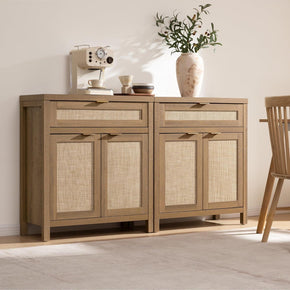
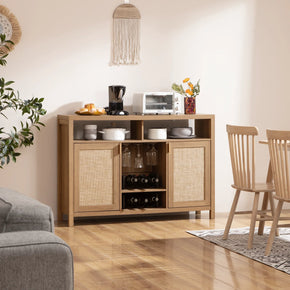
When you’re ready to shop or compare proportions, explore the curated SICOTAS console and bedside table collection—crafted with balance, proportion, and timeless design in mind.
The Short Answer: 24–28 Inches Tall
In most bedrooms, the ideal bedside table height is between 24 and 28 inches (61–71 cm). This range aligns naturally with the top of most standard mattresses, allowing you to reach sideways rather than bending up or down.
A bedside table that’s too low can make reaching for essentials uncomfortable, while one that’s too tall feels awkward and visually disrupts the line of your bed and headboard.
Rule of thumb: The top of your bedside table should be level with or 1–2 inches above the top of your mattress.
How Tall Is a Standard Bedside Table?
A standard bedside table height typically measures around 25 inches (64 cm). This average suits most beds with mattress heights of 23–26 inches—the common range for modern beds and box springs.
However, mattress heights have increased in recent years due to thicker comfort layers and plush toppers, so the “standard” now varies slightly depending on your setup.
|
Bed Type |
Mattress Height |
Ideal Bedside Table Height |
|
Platform bed |
18–22 inches |
20–24 inches |
|
Standard bed |
23–26 inches |
24–28 inches |
|
Pillow-top or box spring bed |
27–32 inches |
28–32 inches |
If you have a very tall or adjustable bed, consider slightly taller nightstands or console-style tables for ergonomic comfort.
Why Height Matters
The height of your bedside table influences both functionality and design harmony.
Comfort & Ergonomics
A well-sized table keeps your nighttime essentials—lamp, alarm clock, or water—within effortless reach. If you’re half-asleep and reaching down for a glass, you risk spills or a sore shoulder.
Visual Balance
Bedside tables act as framing elements beside your bed. When their tops align with your mattress, they create a smooth horizontal line that calms the eye and anchors your bed visually.
Lighting Alignment
Lamp height matters too. When seated, the bottom of your lampshade should be near your eye level, which naturally follows when the table sits correctly beside the mattress.
How to Measure for the Perfect Height
Getting the measurement right is easy:
- Measure your bed. Use a tape measure from the floor to the top of your mattress, including any topper.
- Match or exceed slightly. Choose a table that’s the same height or up to 2 inches taller.
- Avoid going lower. A bedside table shorter than the mattress feels uncomfortable and breaks visual flow.
If your bed is adjustable or features thick bedding, test your reach in a seated position to confirm comfort before committing.
Bedside Table Proportions: More Than Just Height

While height is the most important measurement, other proportions affect functionality too.
- Width: 18–24 inches fits most bedrooms comfortably. Wider tables (up to 30 inches) work well for larger beds or shared nightstands.
- Depth: 14–18 inches provides enough surface without crowding the walkway.
- Leg clearance: Leave at least 2 inches under the top surface to allow easy cleaning and cable management.
Proper sizing ensures your bedside table complements your bed rather than overwhelming it.
Matching Height to Bed Style
Different bed designs demand different bedside table heights. Here’s how to pair them properly:
Low Platform Beds
Platform or Japanese-style beds sit close to the floor—often just 18–20 inches high. A low bedside table between 20 and 22 inches maintains balance. Floating designs or short console tables work beautifully here.
Standard Beds
Most traditional bed frames sit between 23 and 26 inches high. Pair with a nightstand around 25–27 inches tall for easy reach and visual symmetry.
Tall or Upholstered Beds
Beds with box springs, pillow-tops, or high headboards can reach 30–32 inches in height. A 28–30 inch bedside table provides ergonomic comfort and design balance.
Adjustable Beds
If your bed height changes frequently, opt for a medium-height bedside table (26–28 inches) and ensure there’s some flexibility in how you position it.
How to Adjust Bedside Table Height
If your existing tables feel too low or too tall, you don’t need to replace them immediately.
Here’s how to tweak their height:
- Raise it: Add furniture risers, longer legs, or a decorative plinth underneath. Even a 1-inch increase can make a difference.
- Lower it: Swap out tall legs for shorter replacements or use a floating wall-mounted design positioned at mattress level.
- Stacking décor smartly: Use a tray or stack of books on top for function and visual lift if you’re short by an inch or two.
Design Tip: Keep Lighting and Table Height in Sync

Your lamp height should complement your bedside table height for balanced lighting.
- If your table is 25 inches tall, aim for a lamp that’s 24–28 inches tall.
- The goal is for the light source to sit around 58–64 inches from the floor, ideal for reading without glare.
Wall sconces can replace lamps if you prefer a minimalist setup. Just mount them so the bottom of the shade aligns with your eye level while sitting up in bed.
When to Use Console Tables as Bedside Tables
Modern bedrooms often break traditional furniture rules. A console table can easily replace a bedside table if the proportions work.
A narrow console, typically 28–32 inches tall, suits taller beds and provides a sleeker look. Many designs from the console collection double beautifully as bedside tables, offering extra surface area for décor, lighting, and storage baskets underneath.
Design note: If using a console, balance its height by choosing slightly taller lamps or artwork to maintain proportion.
Material and Style Considerations
Height isn’t the only factor when selecting a bedside table—it should also align with your room’s style and material palette.
- Wood finishes: Oak, walnut, or ash bring warmth to contemporary rooms.
- Rattan and woven accents: Add texture and natural elegance.
- Metal frames: Work for industrial or minimalist spaces.
- Glass tops: Perfect for modern, light-filled rooms that need visual airiness.
Matching finishes to your bed frame or flooring enhances unity and makes your furniture look cohesive.
Common Mistakes to Avoid
Many people buy bedside tables based on looks alone. Avoid these pitfalls for a better fit:
- Choosing purely by design: Always measure first; a beautiful table that’s too short won’t function well.
- Ignoring proportion: Oversized tables make small bedrooms feel cramped.
- Mixing mismatched heights: If you have two tables, keep their tops within 1 inch of each other to maintain symmetry.
- Forgetting lighting: Poor lamp placement can make even a perfect table feel awkward.
Styling Your Bedside Table
Once you’ve found the right height, make it yours. Keep décor intentional and proportional:
- Place your lamp toward the back corner for even lighting.
- Add a low tray to organize daily essentials.
- Use vertical accents—like a small vase or frame—to complement the lamp’s height.
- Leave negative space; an overfilled tabletop looks chaotic.
This balance of function and minimalism creates a calming bedtime environment.
Frequently Asked Questions
How tall is a bedside table compared to a bed?
Ideally, it’s the same height or up to 2 inches taller than the mattress.
What’s the standard bedside table height?
Around 24–28 inches for most modern beds.
Can I use a taller console table beside my bed?
Yes. As long as the top sits near mattress height, a console can serve as a stylish alternative.
How do I fix a bedside table that’s too short?
Use risers, longer legs, or decorative trays to elevate the surface without replacing the entire piece.
Is symmetry important in bedside tables?
Not strictly, but equal height creates visual harmony, especially if using matching lamps.
Final Thoughts
So, how tall is a bedside table? The short answer is: as tall as your bed—usually 24 to 28 inches. The right height feels natural, keeps essentials within reach, and anchors your bedroom design beautifully.
Whether you prefer classic wood styles or minimalist consoles, the key is harmony—between your bed, lighting, and décor.
For pieces designed with proportion and comfort in mind, explore the SICOTAS console and bedside table collection. Thoughtful in scale and form, these designs make finding the perfect bedside height effortless—and your bedroom, beautifully balanced.


No comments


0 comments