


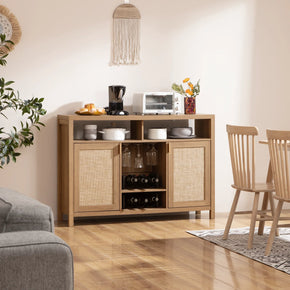
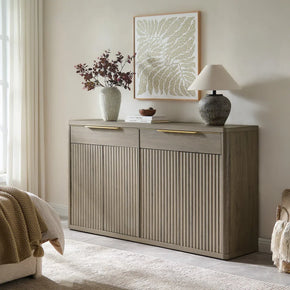


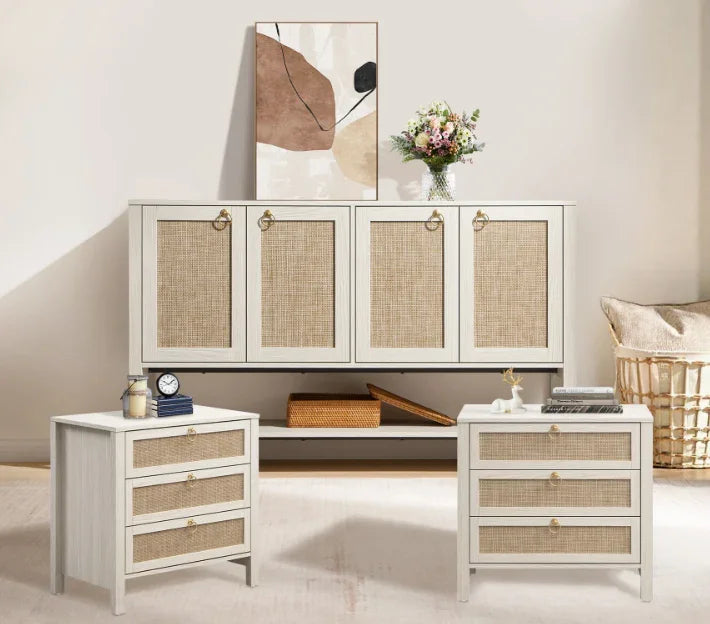

Do Nightstands Have to Match? Why It’s Not a Must
When designing a bedroom, one common question is do nightstands have to match? It’s a great question, because historically the answer was a firm yes—matching set, symmetrical layout, identical pieces on either side of a bed. But today’s design trends are much more flexible: you don’t have to use matching nightstands. What really matters is proportion, balance, and cohesion.
This article explores the idea of whether nightstands should match each other, match the bed, or match the dresser. We’ll cover:
- What matching actually means in modern design
- When and why matching nightstands might make sense
- How to pull off mismatched nightstands with style
- How to coordinate nightstands with your bed and dresser
- Practical guidelines and room-by-room examples
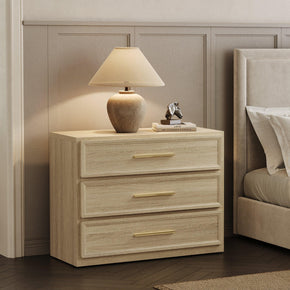
If you’re also considering new nightstand pieces, the nightstand offers well-designed and visually versatile options that work both in matched sets and mixed-style rooms.
What Does “Matching” Even Mean?
“Matching nightstands” typically means two identical pieces placed one on each side of the bed, ideally in the same finish, size, and style. But in modern design, “matching” can mean something broader:
- Same material or finish, but not identical shape
- Same height and scale, but different design details
- Same colour palette or hardware, but varied wood tones
So when you ask “do nightstands have to match bed or dresser,” the answer depends on how strict you’re being with “match.” Full duplication is optional. Sharing design cues is often enough.
Why People Still Use Matching Nightstands
There are several reasons why matching nightstands remain popular:
Symmetry and calmness. Twin tables instantly create a balanced look around the bed, which many designers say leads to a restful, grounded space.
Ease of styling. A pair of identical pieces simplifies buying and decorating—you know the size, finish, and spacing will work.
Traditional Appeal. Many bedroom furniture sets (bed + dresser + nightstands) are sold in matching collections, so people continue with that approach for coherence.
Functional equality. If both sides of the bed need equal storage, identical nightstands ensure both people have the same setup.
But just because matching is comfortable doesn’t mean it’s the only visually appealing choice.
When Nightstands Don’t Have to Match (And Why That’s Okay)

A. Mismatched but Cohesive
Designers increasingly favour mismatched but complementary nightstands. According to one blog:
“Many leading interior designers … choose to mix and match nightstands on purpose.”
The key is ensuring they still “talk to each other” via material, colour, height, or hardware—even if the shape differs. From one widely cited guide:
“While you can mix and match nightstands of different heights or materials, it’s very important to make sure your scale is accurate.”
B. One Nightstand Only
In smaller bedrooms or minimalist setups, you might choose a single nightstand, perhaps centered on one side, or use alternative furniture (floating shelf, console) on the other side. What matters most is comfort and accessibility, not perfect symmetry.
C. Matching Isn’t Always Better
Overly matchy rooms can feel sterile or clinical. One article advises against “bedroom suites” that repeat the same finish across every piece:
“A bed, beside tables and chest of drawers that all look the same gives … a space way too much of one colour and texture.”
So to answer your main keyword: do nightstands have to match? No—they don’t. The better question is: will they harmonize with the bed and the rest of the room?
How to Coordinate Nightstands with Your Bed & Dresser
A. Matching With the Bed
Should nightstands match the bed? Not necessarily. But they should be in the same “ballpark” in terms of scale and finish.
- Match height: the tops should align with the mattress or be 1–2 inches above.
- Match finish undertones: if your bed is warm-toned wood, pair with a nightstand in a similar undertone (even if different material).
- Match style vibe: If you have a modern low platform bed, go for minimalist nightstands; with a carved four-poster, choose more substantial tables.
B. Matching With the Dresser
Should nightstands match the dresser? Again, not strictly—but they should feel related. Designers say:
“Layering pieces of different styles, wood tones, and materials always bring more dimension.”
So you might have a dresser in walnut veneer and nightstands in oak or painted finish, as long as the finishes share a common element (like the same hardware colour or wood undertone). That subtle link helps the room feel cohesive.
Practical Guidelines for Matching vs. Mixing Nightstands

Here are some actionable rules to help you decide whether to match or intentionally not match nightstands:
Matching Nightstands:
- When you want a formal, symmetrical bedroom look
- When storage needs are perfectly equal on both sides
- When you’re working with a tight budget or shopping set pieces
Mismatched Nightstands:
- When you’re mixing inherited furniture or thrifted finds
- When you want more personality and less “furniture showroom” feel
- When one side of the bed has different usage (desk vs. reading table)
Key rules if you mismatch:
- Keep the same height (or nearly the same).
- Keep a shared finish or colour tone.
- Match scale: widths and depths should feel consistent so one piece doesn’t overwhelm the other.
- Keep lamps or lighting symmetrical—even if nightstands differ. That creates cohesion.
What to Consider Before Choosing Nightstands
Whether you match or mix, thinking through these factors ensures your nightstands actually feel integrated and functional.
Height
Nightstand height should align with your mattress top or be 1–2 inches above. Consistent height matters more than matching style.
Storage vs. Surface
Decide how much drawer space you need—and whether both sides require equal storage. If not, you might mix a storage nightstand with a minimal one.
Width and Depth
Ensure the nightstand fits beside the bed and looks proportional. A king bed might need broader tables; a twin bed works with narrow ones.
Finishes and Materials
If you go mismatched, ensure you’re working within a unified palette of materials or colours to avoid visual conflict.
Bed & Room Style
Your bed is the focal point. Nightstands should complement it rather than compete. If your bed is ornate, keep the tables simpler. If the bed is straightforward, you have room to experiment with unique nightstands.
Designing with the SICOTAS Nightstand
If you’re shopping for nightstands and wondering if you should match, consider how a coordinated collection like SICOTAS offers flexibility:
- Many pieces share common design cues (leg style, handle type, wood tone) allowing you to pick two identical or choose one for each side and still tie them together.
- The clean, simple forms lend themselves well to mismatching with ease—pick two different but visually linked styles.
- Because the brand focuses on thoughtful proportion, you’re less likely to end up with one too tall or too short compared to your bed—avoiding the biggest mismatch problem.
Room-By-Room Example Scenarios
Scenario A: Traditional Master Bedroom
Bed: Walnut wood, mid-height headboard
Option: Matching nightstands in the same walnut finish. Symmetry creates a calm and finished look.
If you prefer mix: Choose one walnut nightstand and one lacquer-white nightstand in the same width and height. The common width, leg style and drawer hardware keep it cohesive.
Scenario B: Bohemian Minimal Apartment
Bed: Low platform with woven rattan headboard
Option: One rattan-front nightstand + one painted wood nightstand in the same height and with black metal legs. Materials differ, but scale and leg detail unify them.
Scenario C: Guest Room / Rental
Bed: Simple metal frame
Option: Use a vintage chest of drawers on one side and a modern console table on the other—same height, same lamp height. Gives character without over-designing.
Answering the Keywords: Quick Summary
- Do nightstands have to match? No—they don’t have to be identical. The important thing is that they align in height, scale and style cues.
- Do nightstands have to match the bed? They don’t need to be the exact same finish, but they should complement the bed in scale, material tone, and style.
- Do nightstands have to match the dresser? Not strictly. Ensure the dresser and nightstands share design language (material, finish, hardware) so the room feels cohesive rather than disjointed.
Final Thoughts
If you’re still deciding “do nightstands have to match,” the short answer is: only if you want them to. Matching is safe and streamlined. Mismatching is creative and personal. Choose based on your space, bed style, storage needs and personality.
Whichever route you choose, keep these anchors in mind:
- Same height for both sides.
- Similar scale in width and depth.
- One common design element (finish, leg style, hardware).
- Nightstands aligned in function and comfort with your bed.
With those in place, your nightstands wo n’t just frame your bed—they’ll enhance your bedroom’s design with purpose and style.


Stay In The Know
Expert advice. Very good deals. The absolute best (and worst) things we've tested lately.
Looking for something else?

How to Arrange Outdoor Furniture for Better Flow and Conversation
LEARN MORE
What Is Faux Leather Made Of? Materials, Types, and Care
LEARN MORE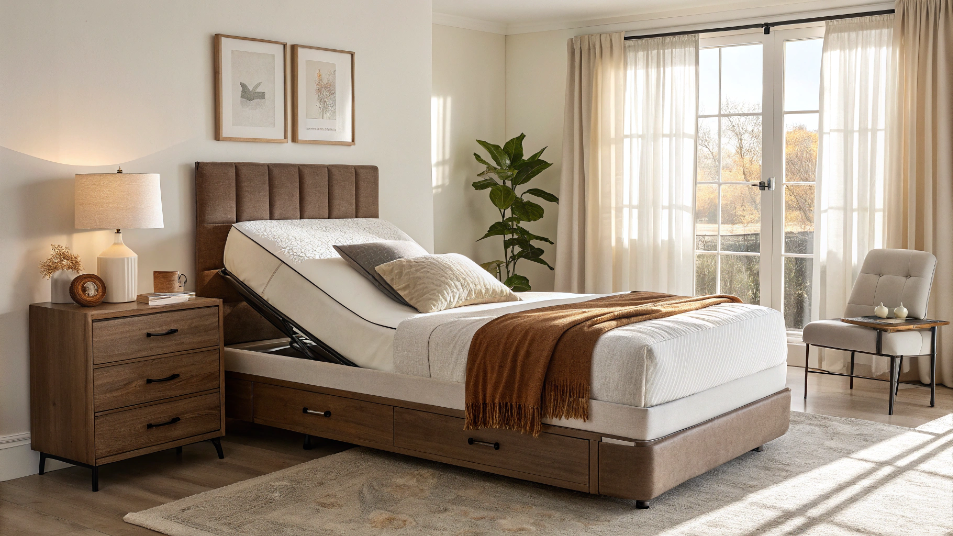
Can Any Mattress Work With an Adjustable Bed?
LEARN MORE
California King Bed Size: Complete Dimensions, Chart & Buying Guide
LEARN MORERead more from Blogs
Looking for something else?

How to Steam Clean a Couch at Home Without Wrecking It
LEARN MORE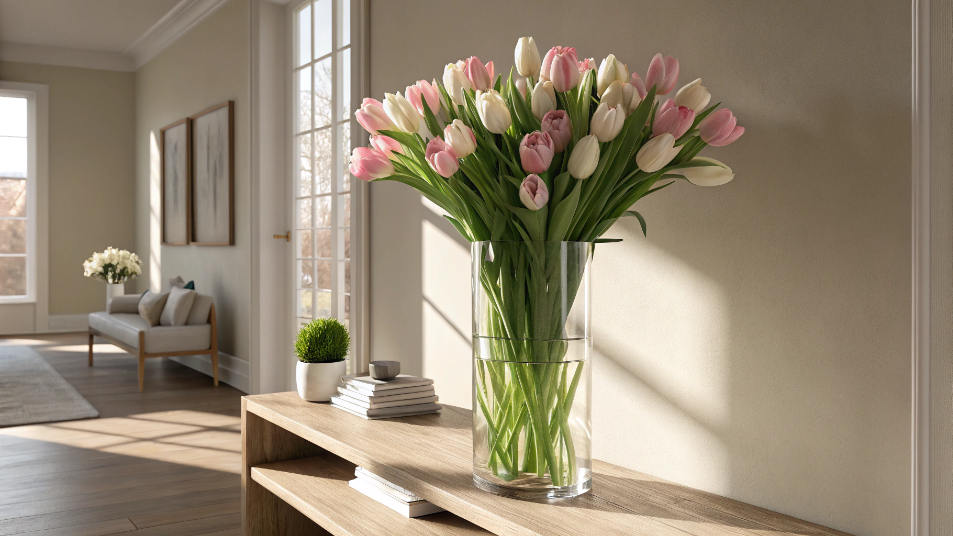
Best Vase for Tulips: A Florist's Honest Guide to Shape, Height, and Styling
LEARN MORE
41 Small Outdoor Living Spaces Ideas to Transform Even the Tiniest Patio
LEARN MORERead more from Blogs
You may also like


Further reading

Sectional Sofas for Open Concept Living Rooms: Layout Rules That Work

21 Contemporary Interior Design Ideas to Transform Your Home in 2026


