





Different Color Couches in Living Room: 13 Bold Ideas Worth Buying
Nine years. That’s how long I kept a gray couch I didn’t even like that much. Bought it because it “goes with everything.” And sure, it did. It went with everything the same way a glass of water goes with every meal. Technically fine. Emotionally nothing.
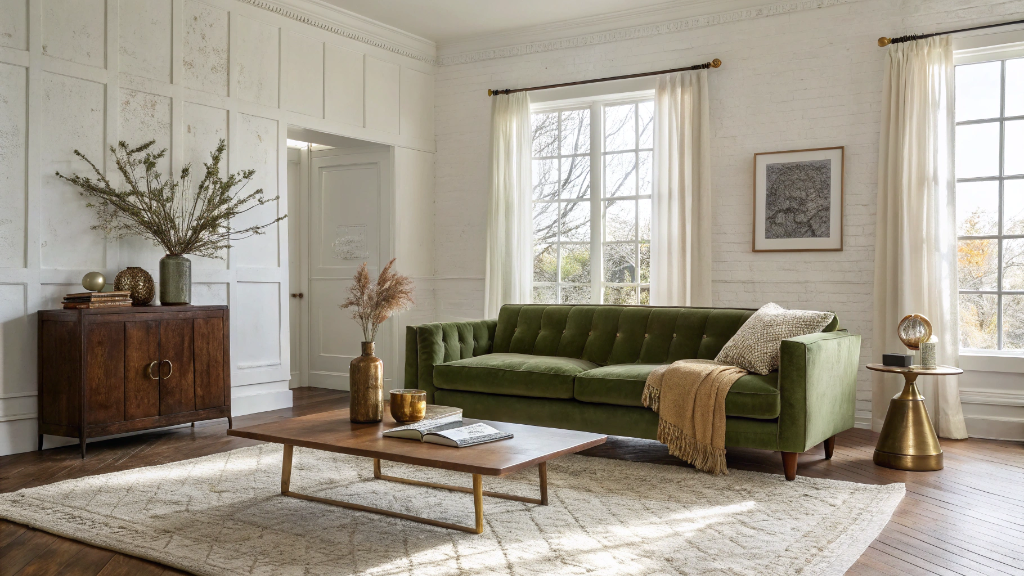
Then last March, I stumbled into a warehouse clearance and walked out with an olive green velvet three-seater that cost less than the gray one did new. Shoved it into the living room. Stood back.
The whole room changed. I’m not being dramatic. The walls looked warmer. The old rug suddenly worked. Even the light from the window hit differently, landing on green fabric versus gray. One piece of furniture. That’s all it took. So if you’ve been sitting on a beige couch for years, wondering why your living room feels like a hotel lobby — maybe the couch color is the problem, not the decor around it.
Why the Color of Your Couch Changes Everything
Think about what takes up the most space in your living room. The TV — nobody decorates around a television. The couch. It’s the biggest slab of color on your floor, and whatever shade it is becomes the default mood of the whole room. Gray couch, gray mood. Beige couch, beige mood. MyDomaine puts it bluntly — a colorful sofa doesn’t just sit in a room, it anchors the room. The wall color responds to it. The rug responds to it. The pillows, the art, the lamps — everything orbits around whatever color is parked in the middle of the floor.
And here’s something I didn’t expect: a bold couch is actually easier to style than a neutral one. With my gray sofa, I spent years agonizing over accent colors. Should the pillows be blue? Yellow? Rust? With the green couch, the room styled itself. Green goes with brass. Green goes with warm wood. Green goes with cream. The color made the decisions for me. Wild.
13 Colorful Couch Ideas for Every Living Room Style
1. Olive Green for Rooms That Need Grounding

Olive is the gateway drug to colorful couches. I’m serious. Nobody’s scared of olive green because it basically acts like a warm neutral that happens to have a personality. BHG agrees — they position olive green as a near-neutral because of those earthy undertones. Cream walls. Terracotta rug. Warm wood side tables. Some dried branches in a big ceramic vase. The room will feel like a cabin you’d actually want to stay in. If this is your first colorful couch purchase and you’re nervous about it, start here. You literally cannot go wrong.
2. Navy Blue for Quiet Sophistication

Navy is the couch color for people who want bold without being bold. Dark enough to feel grown-up. Rich enough to feel expensive. Especially in velvet — a navy velvet sofa catches lamplight in a way that makes guests ask where you bought it. Living Spaces leans into blue for coastal-modern rooms, but honestly? Navy works in traditional living rooms just as well. White walls. Brass lamp. Warm walnut side table. Cream rug. You’re done.
3. Mustard Yellow for Mid-Century Personality

Mustard is the couch color people either love instantly or need three months of Pinterest boards to warm up to. I was in the second camp. Took me forever to commit, but here’s what convinced me: every single room I saw with a mustard sofa looked like it belonged to someone interesting. Not a showroom. Not a catalog page. A real person with taste. Walnut furniture. A few houseplants. A navy or charcoal accent pillow. White walls. The mustard just… anchors the whole thing. And it works in rooms way smaller than you’d think. My friend’s 12x14 living room has one, and it looks incredible.
4. Terracotta for Boho Living Rooms

Depending on the light, terracotta shifts between warm orange and dusty pink throughout the day. That ambiguity is half the appeal. It’s warm without being aggressive. Bold without being loud. And it pairs naturally with every woven texture on the planet — jute rugs, rattan baskets, macramé wall hangings, linen pillows. Keep the walls white or warm beige. A wood credenza or console behind the sofa finishes the bohemian look. If your living room already leans Southwestern or boho, a terracotta couch is the one that ties the whole vibe together.
5. Emerald Green for That Library Feeling

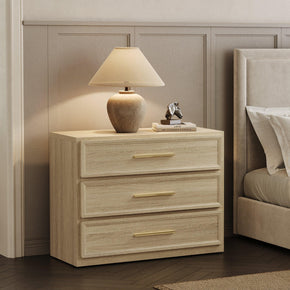
I walked into a friend’s apartment last year, and she had an emerald green velvet couch surrounded by warm wood bookshelves, a cognac leather ottoman, and brass picture frames. Felt like stepping into a private library in London. Except it was a rental in Austin. That’s the power of this color. Deep, rich, moody — without being dark. The trick is pale walls. White or very light gray. Let the green dominate. For keeping the space tidy, a tall storage piece nearby helps — the Savanna 7-Drawer Tall Dresser holds books and blankets without cluttering the floor around the seating area.
6. Blush Pink for Modern Living Rooms

People hear “pink couch” and picture a sorority house. But blush? Blush is different. It sits somewhere between a warm white and a dusty rose, and in the right room it reads as sophisticated — not sweet. Gold hardware. A white marble coffee table. A couple of green plants. Some watercolor art on the walls. Keep everything around it calm, and the pink does the talking without shouting. I’ve seen it work in a 40-year-old man’s bachelor pad, a couple’s townhouse, and a grandmother’s parlor. It transcends demographics. Weird but true.
7. Deep Teal for Drama Without Darkness

Teal is what happens when blue and green have a kid and the kid turns out bolder than either parent. It’s more saturated than navy. Moodier than sage. And it photographs insanely well in rooms with even a sliver of natural light. Gold accents are teal’s soulmate — a gold side table, a brass lamp base, and gold picture frames. If you want maximum drama, put patterned wallpaper behind the couch. If you want a calmer version, white walls and a neutral rug. Either way, the teal carries the room.
8. Burgundy for a Room That Feels Collected

Burgundy isn’t red. That distinction matters. Red is loud. Burgundy is quiet-loud — deep, warm, and moody in a way that makes people want to sit down and stay a while. It shows up in rooms that feel like they’ve been gathered over decades. Antique side tables. Stacked books. A Persian-style rug. Cream walls. Decorilla recommends layering textures around dark sofas, and that advice hits especially hard with burgundy. A shaggy throw. Velvet cushions. Linen curtains. The texture keeps the dark color from going flat.
9. Charcoal for the Almost-Bold Crowd

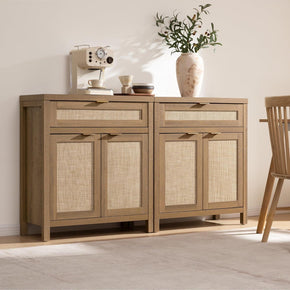
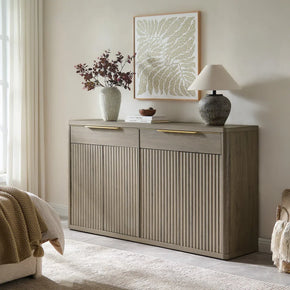
Not ready for emerald green or teal, but your current gray couch bores you to tears? Charcoal. It’s darker, has more depth, and makes every accent color you put near it look ten times better. A mustard pillow on a light gray couch? Fine. Same pillow on charcoal? Electric. White walls, brass accents, and two or three saturated accent pops — that’s the whole formula. And if you want the rooms to flow together, something like the Terra 6-Drawer Horizontal Dresser in a white finish bridges the living room and an adjacent bedroom without clashing with the charcoal palette.
10. Cognac Leather That Gets Better With Age

Every other couch on this list will look worse in five years than it does today. Cognac leather is the exception. It develops a patina — scratches fade into the surface, the color deepens unevenly, and by year three, the thing looks like it cost twice what you paid. Somewhere between amber and warm tan, depending on whether the sun’s hitting it. Black metal accents. Cream wool rug. A few potted plants. Works in industrial lofts. Works in farmhouses. Works in mid-century apartments. Works in pretty much every room that isn’t trying to be ultra-sleek.
11. Coral for Warm-Weather Vibes Year-Round

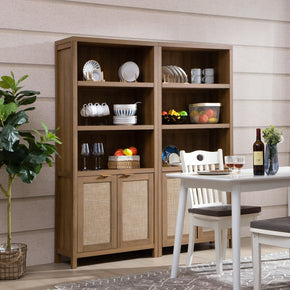
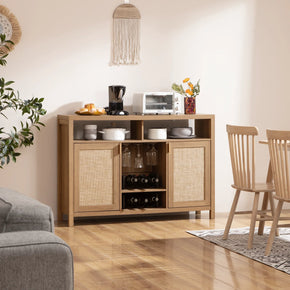
Coral threads the needle between pink and orange, and that in-between quality makes it feel unique in a way neither pure pink nor pure orange can. White walls are non-negotiable — coral goes muddy against dark or warm-toned backgrounds. It needs brightness to glow. Woven textures help. Warm wood does too. Gold metallic accents, not silver. The room should feel warm and a little bit tropical even in January. If the living room connects to a hallway or bedroom, carry the warm wood through with furniture like the Savanna 6-Drawer Dresser so the visual tone stays consistent room to room.
12. Royal Blue With Gold for Formal Spaces

Royal blue is navy’s louder cousin. More saturated. More confident. Harder to ignore. But in a formal living room — white walls, gold side tables, clean-lined furniture, a few black-and-white accessories — it doesn’t overwhelm. It presides. Add a cream rug to ground it. Brass picture frames on the wall behind. Maybe some fresh greenery in a corner. The room won’t just look designed — it’ll feel designed. Like someone with opinions lives there. That’s what royal blue does.
13. Sage Green for Small or Dim Living Rooms

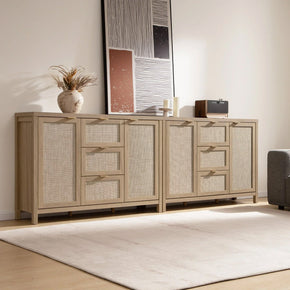
Sage is the introvert on this list. Quiet. Reflective. Doesn’t demand attention. And that’s exactly why it’s perfect for living rooms where bolder colors would feel suffocating — small square footage, limited windows, low ceilings. Sage reflects light gently. It pairs with literally every wood tone. Sits comfortably beside white, cream, beige, and pale pink. Homes & Gardens flags muted greens as a top sofa trend right now, and sage is leading that wave. If your living room gets about four hours of natural light on a good day, sage green will make it feel twice as big as gray ever did. For storage in a connected room, a modular piece like the Zura Modular 9-Drawer Dresser carries the same clean-line modern energy without competing with a sage palette.
Picking the Right Couch Color for Your Room
Look at Your Walls Before Looking at Couches
White walls are the cheat code. Almost every couch color on this list works against white. But dark walls or warm-toned walls change the math completely. Olive green against white? Beautiful. Olive green against sage green walls? Soup. Figure out what’s already on the walls and shop accordingly. Paint is cheaper to change than a couch, so if you love the sofa color and the walls don’t cooperate, repaint the walls. Not the other way around.
Match One Thing Already in the Room
Your rug probably has four or five colors woven into it. Your curtains have a tone. Even your wood furniture has a color temperature. A new colorful couch should connect to at least one thing that’s already there. If the rug has blue in it, blue sofa — instant connection. If nothing in the room relates to the couch color, the sofa looks like it fell through the ceiling from somebody else’s apartment. Browse Sicotas home furniture for storage and accent pieces that coordinate with bold living room palettes without clashing.
One Bold Thing. Not Five Bold Things.
A teal couch in a calm room is a statement. A teal couch with teal walls and a teal rug and teal curtains is a dentist’s waiting room in a fever dream. Use the 60-30-10 breakdown — sixty percent neutral (walls, floor, big furniture), thirty percent your secondary color (the sofa, the rug), ten percent accent (pillows, art, lamps). The couch lives in that thirty percent slice. Everything else supports it. Nothing else competes.
Three Mistakes People Make Buying a Colorful Couch
Choosing a color you saw on Instagram at noon in a south-facing loft and expecting it to look the same in your north-facing living room with two small windows at 6 pm in December. It won’t. Order fabric swatches. Tape them to your wall. Check them morning and night. Navy in a dark room becomes almost black. Yellow in a bright room becomes almost neon. The swatch costs nothing. The wrong couch costs everything.
Buying the bold couch and then surrounding it with all-beige-everything because you panicked. I did this. Olive green couch. Cream rug. Cream pillows. Cream curtains. Cream throw. The green looked stranded. Like the last one picked for the team. You need the couch color to show up in at least two other spots — a plant, a piece of art, a vase, a pillow on a nearby chair. Give it friends.
Forgetting that fabric matters as much as color. A mustard linen sofa and a mustard velvet sofa are two completely different experiences. Velvet catches light and glows. Linen absorbs light and fades into the background. Same exact color. Totally different feeling in the room. Before you lock in on a shade, figure out what texture you want for your living room. Then pick the color in that fabric.
FAQs
Is it okay to have two different-colored couches in a living room?
Hundred percent. The key is giving them something in common — similar arm style, same leg finish, a rug that touches both, throw pillows that borrow each other’s colors. You’re not trying to match them. You’re trying to make it look like one person chose both on purpose rather than inheriting them from two different relatives.
Is it okay to have different-colored furniture in a living room?
That’s basically how every designer-styled room works. Brown coffee table, green couch, cream armchair, black lamp. All different colors. All connected through a controlled palette of three or four tones. The mistake people make is using eight different colors without repetition. Pick your three, repeat them, and call it done.
What is the 2/3 rule for sofas?
Your sofa should cover roughly two-thirds of the width of the wall behind it. Not half — that looks small. Not the whole wall — that looks crammed. Two-thirds keep it proportional. It’s a guideline, not a law. Eyeball it, step back, see if it looks balanced. Adjust from there.
How to blend two different colored sofas in a living room?
Swap pillow colors between them. Brown pillows on the cream couch. Cream pillows on the brown couch. Get a rug that includes both tones. Repeat each couch’s color in two other spots around the room — in a piece of art, a vase, a lamp shade, whatever. Keep the metal finishes and wood tones the same across both sides. Five moves. Rooms are connected.
What is the 4 rule for seating?
A conversation area needs at least four seats to function. Two sofas facing each other. Or one sofa and two armchairs. Or a sectional plus an accent chair. Four seats make a natural grouping where people can actually face each other and talk like humans. Less than four, and the room feels like a waiting line, not a gathering.
What is the biggest mistake in the placement of furniture?
Pushing every piece of furniture against the walls like you’re clearing the floor for a dance. People do this, thinking it “opens up the room.” What it actually does is create a dead, empty zone in the middle and make the edges feel cramped. Pull your couch off the wall. Float the chairs. Anchor everything around a rug and a coffee table. The room should feel like a place people gather, not a hallway with seats on the perimeter.
What is the 2/3 rule for a living room?
Two-thirds is the proportion sweet spot for basically everything. The rug should cover about two-thirds of the seating area. Art should span roughly two-thirds of the furniture below it. The coffee table should be about two-thirds the length of the sofa. When things relate to each other at that ratio, the room looks scaled and balanced without anyone being able to explain why.
Are mismatched couches in style?
The matching living room set is dead. Nobody under fifty is buying a sofa, loveseat, and chair in the same fabric from the same brand anymore. The current move is collected — pieces that look like one person gathered them over time with good taste. Mismatched couches fit that perfectly, as long as they share something in common. Scale, fabric family, arm shape, or color undertone. One shared thread is all you need.
Sources
- MyDomaine – Goodbye Neutral Couches: 20 Living Rooms That Make the Case for Colorful Sofas
- Better Homes & Gardens – These 11 Ideas Will Persuade You to Buy a Colorful Couch
- Living Spaces – Trending Sofa Color and Style Pairs
- Decorilla – 12 Dark Brown Couch Living Room Ideas
- Homes & Gardens – Sofa Color Trends
- Apartment Therapy – Best Colorful Sofa Ideas
- Chris Loves Julia – How to Purposefully Mismatch Furniture


Stay In The Know
Expert advice. Very good deals. The absolute best (and worst) things we've tested lately.
Looking for something else?

How to Arrange Outdoor Furniture for Better Flow and Conversation
LEARN MORE
What Is Faux Leather Made Of? Materials, Types, and Care
LEARN MORE
Can Any Mattress Work With an Adjustable Bed?
LEARN MORE
California King Bed Size: Complete Dimensions, Chart & Buying Guide
LEARN MORERead more from Blogs
Looking for something else?

How to Steam Clean a Couch at Home Without Wrecking It
LEARN MORE
Best Vase for Tulips: A Florist's Honest Guide to Shape, Height, and Styling
LEARN MORE
41 Small Outdoor Living Spaces Ideas to Transform Even the Tiniest Patio
LEARN MORERead more from Blogs
You may also like


Further reading
Sectional Sofas for Open Concept Living Rooms: Layout Rules That Work

21 Contemporary Interior Design Ideas to Transform Your Home in 2026


