




What Is a Sideboard? Uses, Styles & Buying Tips


If you’ve ever asked what is a sideboard, you’re in the right place. This guide explains the basics in plain language—what a sideboard is, what a sideboard is used for, how it compares to a buffet, where to put one in a living room or dining room, and how to choose the right size, storage, and style for your home. We’ll also reference real-world options from the Sideboards collection (with free U.S. shipping to the contiguous states, 60-day returns, and a 360-day warranty) so you can turn ideas into a short list quickly.
Quick definition: What is a sideboard?
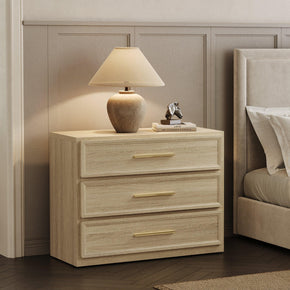
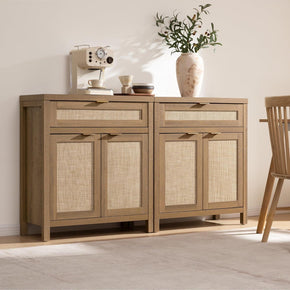
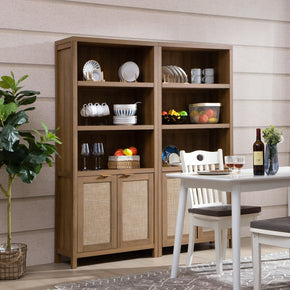
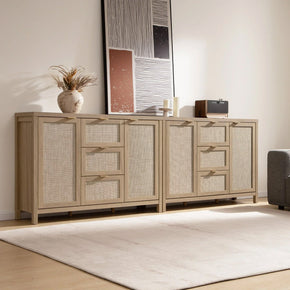
A sideboard is a low storage cabinet—typically waist-high—with doors, drawers, or both. It’s designed to keep dinnerware, linens, serveware, and everyday clutter organized while providing a durable top for display or serving. In most homes today, sideboards aren’t limited to dining rooms; you’ll see them used as a sideboard for living room storage, a media console, an entryway catch-all, or even a compact home-office credenza.
Define sideboard: A low storage cabinet (usually on a plinth or short legs) with enclosed compartments, made for dining and multi-room storage.
Sideboard vs. buffet: What’s the difference?
People often use sideboard and buffet interchangeably. Historically, buffets were taller, dining-focused pieces used for serving and staging food, sometimes with a hutch. Sideboards tended to be a little lower and longer, emphasizing storage and display. In modern retail, the distinction is mostly naming—focus on dimensions, storage layout, and room use rather than the label.
- Sideboard: slightly lower profile; versatile across rooms.
- Buffet: sometimes a touch taller; often marketed for dining sets.
If you’re comparing “sideboard vs buffet” product listings, read the specs—height, number of doors/drawers, and interior shelf details matter more than the name.
What is a sideboard used for? (Top use cases)

-
Dining room storage & serving
Store plates, bowls, glasses, and table linens; use the top as a serving station for guests. -
Living room organization
Hide board games, remote-control clutter, and magazines; style the top with lamps, art, or greenery. Searching for a sideboard living room solution is common because the piece can also double as a TV-adjacent cabinet without looking like media furniture. -
Entryway catch-all
Stash keys, mail, pet gear, scarves, and umbrellas behind doors for a tidy first impression. -
Home office credenza
File boxes, printer paper, and tech accessories fit neatly; the top becomes display or extra workspace. -
Bar or coffee station
A shallow cabinet becomes a neat perch for a tray, with glassware and supplies behind doors.
Key dimensions & placement (so it feels “built-in”)
- Height: Most sideboards sit 30–36 in tall—roughly counter height or a few inches lower.
- Depth: Commonly 13–16 in for slim models and up to 18–20 in for generous storage. In tight rooms or hallways, aim for ≤15 in depth to keep walkways open.
- Length/width: Measure the wall and leave 3–6 in of breathing room on both ends. For a sofa-back placement, match or slightly undercut the sofa’s width for a balanced look.
- Clearances: Leave at least 24–36 in in front so doors/drawers open without blocking circulation.
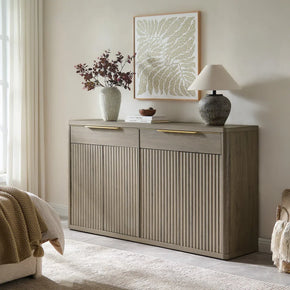
Styling tip: When a sideboard sits beneath wall art or a mirror, keep the frame’s bottom edge 6–10 in above the cabinet top so the grouping reads as one vignette.
Storage layouts: doors, drawers, and adjustable shelves

A sideboard’s usefulness depends on the interior layout:
- Full-height doors with adjustable shelves are flexible for dinnerware, baskets, or small appliances.
- Drawer + doors combinations are ideal for linens and flat items up top, larger pieces behind doors below.
- Three- or four-door runs distribute weight and make wide storage easy to access.
-
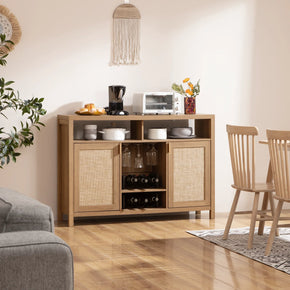
Glass-front doors display items while limiting dust; slatted or rattan panels hide clutter and still feel airy.
SICOTAS sideboards cover these patterns, with finishes like Natural Oak, White Alder, Grey Alder, Dark Grey Alder, and contemporary oaks. You’ll find leaner models for tight spaces and larger 4-door options for wall-spanning storage.
Materials & finishes (and why they matter)
- Engineered wood frames (with oak/alder-look finishes) offer dependable structure and color consistency room to room.
- Textured fronts—fluted panels, rattan accents, or framed doors—add depth under art or beside a TV.
- Matte vs. polished surfaces: matte hides fingerprints and adds a calm, modern feel; higher-sheen finishes bounce light around darker rooms.
- Hardware & legs: slim pulls and short legs feel modern; framed plinth bases read more traditional and sturdy.
Match one existing element—flooring tone, coffee table wood, or metal hardware—so the sideboard feels integrated rather than “new but unrelated.”
What is a sideboard cabinet (vs. “table”)?
You’ll see product titles like sideboard cabinet, buffet cabinet, or sideboard table. In current furniture catalogs:
- Sideboard cabinet: emphasizes enclosed storage with doors/drawers.
- Sideboard table: may describe a leggy, lighter cabinet (visually more “table-like”).
Both serve the same function—choose based on storage needs, depth, and the look you want next to existing furniture.
Sideboard for living room: three easy layouts

-
Media-adjacent (not the TV stand)
Place the sideboard on the wall opposite or perpendicular to the TV. Use it for console storage, board games, and décor. This avoids “all eyes to the screen” while keeping essentials close. -
Sofa-back anchor
If your sofa floats, a low, long sideboard behind it defines the zone and provides hidden storage. Add a lamp, a plant, and stacked books to create a soft divider. -
Gallery wall base
Center the sideboard under a large framed piece or a 3- to 5-piece gallery. Vary object heights (lamp + sculpture + stacked books) and protect 30–40% empty space so it doesn’t feel cluttered.
Buying checklist (5 minutes, zero stress)
- Measure the wall: width, depth limits, door swing.
- Pick a height: 30–36 in works across dining and living spaces.
- Choose the layout: doors only, or drawers + doors.
- Plan contents: dinnerware, linens, board games, bar items—adjustable shelves help.
- Check the details: interior shelf dimensions, anti-tip kit, finish color name, and hardware style.
- Delivery & support: confirm free shipping windows, 60-day returns, and 360-day warranty (SICOTAS provides all three).
- Assembly: look for clear instructions; wide cabinets assemble faster with two people.
Examples from the collection (for scale & finishes)
You asked for content relevant to SICOTAS—here are example patterns you’ll see on the Sideboards page:
- Two-drawer buffet with doors for mixed storage (linens + serveware) with finishes such as Natural Oak, White Alder, Grey Alder, Dark Grey Alder.
- Four-door sideboards for broad walls and families who need extra hidden storage.
- Compact sideboards and bar cabinets—great for apartments, with adjustable shelves and easy styling.
- Black/grey options for modern schemes; rattan accents or fluted doors to add texture beside a large TV.
Styling a sideboard (works in any room)
- Rule of three: arrange one tall piece (lamp/branch), one medium (stacked books/box), and one low (bowl/candle).
- Layered height: lean framed art at the back, then overlap with a plant or sculpture to add depth.
- Texture balance: pair a matte cabinet with glass, ceramic, or woven accessories so the composition doesn’t feel flat.
- Lighting: a single lamp on one side plus a low object on the other creates calm asymmetry.
Sideboard table etiquette (dining-room basics)
- Serving surface: plan 24–36 in of clear space in front for people to circulate.
- Protect the top: use a tray or runner for hot dishes; felt pads under heavy bowls prevent scratches.
- Inside the cabinet: place heaviest items low and use shelf liners to reduce noise and protect plates.
How to choose the right SICOTAS sideboard (step-by-step)

- Open the collection: Go to Sideboards and filter by width, color, price, and availability.
- Confirm dimensions: Check height (30–36 in sweet spot), depth (≤15–16 in for tight rooms), and length relative to your wall.
- Check inside the cabinet: Product pages list adjustable shelves and show whether you get drawers plus doors.
- Match your palette: Finishes like Natural Oak, White Alder, Grey Alder, Dark Grey Alder, and modern oak/great neutrals cover warm and cool rooms.
- Note the policies: Free contiguous-U.S. shipping, 1–2 business days processing with fast courier transit, 60-day returns, and a 360-day warranty for peace of mind.
- Plan assembly & safety: Most units are quick RTA builds; use the included anti-tip kit and place heavier items low.
Common mistakes (and how to avoid them)
- Going too deep for the walkway. Keep to ~15 in depth in tight halls and small living rooms.
- Ignoring interior layout. Doors alone won’t organize linens; add drawers if you need flat storage.
- Color that clashes with flooring. Match one major element (flooring or coffee table) and let accessories bring contrast.
- Skipping the anchor. Even sturdy sideboards should be secured to studs if you have kids or busy traffic zones.
The bottom line
A sideboard is the most versatile cabinet in the house—equally at home in dining rooms and living rooms, quietly handling storage while giving you a broad surface to style. If you’re choosing one now, decide where it will live, measure depth for walkways, pick the door/drawer layout that matches what you’ll store, and select a finish that ties into your room.
Explore sizes, finishes, and storage layouts in the Sideboards collection. With free shipping in the contiguous U.S., 60-day returns, and a 360-day warranty, you can pick confidently—and get a piece that works hard in any room.
Frequently Asked Questions
What is a sideboard?
A sideboard is a low storage cabinet with doors and/or drawers, used for dinnerware, linens, and general home storage. It doubles as a display or serving surface.
What is a sideboard used for?
In dining rooms: serveware and linens; in living rooms: media, games, and décor; in entryways: daily essentials; in home offices: paper and tech storage.
What is a sideboard cabinet?
A sideboard emphasizing enclosed storage. It’s the same furniture family—“cabinet” highlights the doors/drawers.
What is a sideboard table?
A sideboard that reads visually lighter—sometimes on legs—with the same storage function.
Sideboard for living room—good idea?
Yes. It’s one of the easiest ways to hide clutter and anchor a wall under art or beside a TV without using a media console.
Sideboard vs buffet—what’s the difference?
Today, mostly naming. Historically, buffets skewed taller and dining-specific; sideboards skewed lower and more versatile. Compare height, depth, and inside layout to choose.


No comments


0 comments