




How to Store Shoes: Smart, Stylish & Space-Saving Ideas for Every Home
Shoes are among the most used—and often the most cluttered—items in any home. From sneakers and boots to heels and sandals, they pile up quickly and can make even a well-decorated space look messy. If you’ve ever tripped over shoes by the doorway or struggled to find a matching pair, it’s time to rethink how to store shoes efficiently and elegantly.
At SICOTAS, home design isn’t only about looks—it’s about balance between beauty and function. Let’s explore the best way to store shoes that fits both your space and your lifestyle.
Why Shoe Storage Matters More Than You Think
A proper shoe storage system does more than tidy up your floors. It:
- Protects your shoes from dust, moisture, and deformation.
- Saves time during busy mornings when you can find pairs easily.
- Preserves hygiene, especially if you keep outdoor shoes separate from indoor areas.
- Enhances your interior by keeping design harmony across rooms.
A stylish cabinet or bench can transform chaos into calm, particularly in compact apartments or open-concept homes where clutter is immediately visible.
Entryway: The First Impression Zone
Your entryway is the heart of shoe organization. It’s where convenience meets design.
Shoe Cabinets for Quick Storage
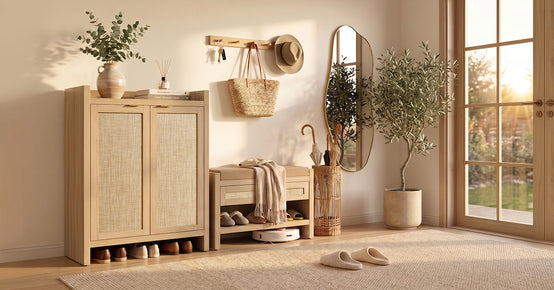
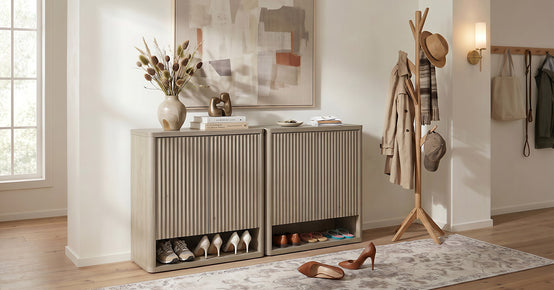
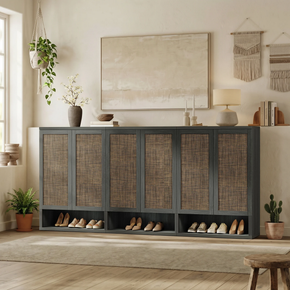
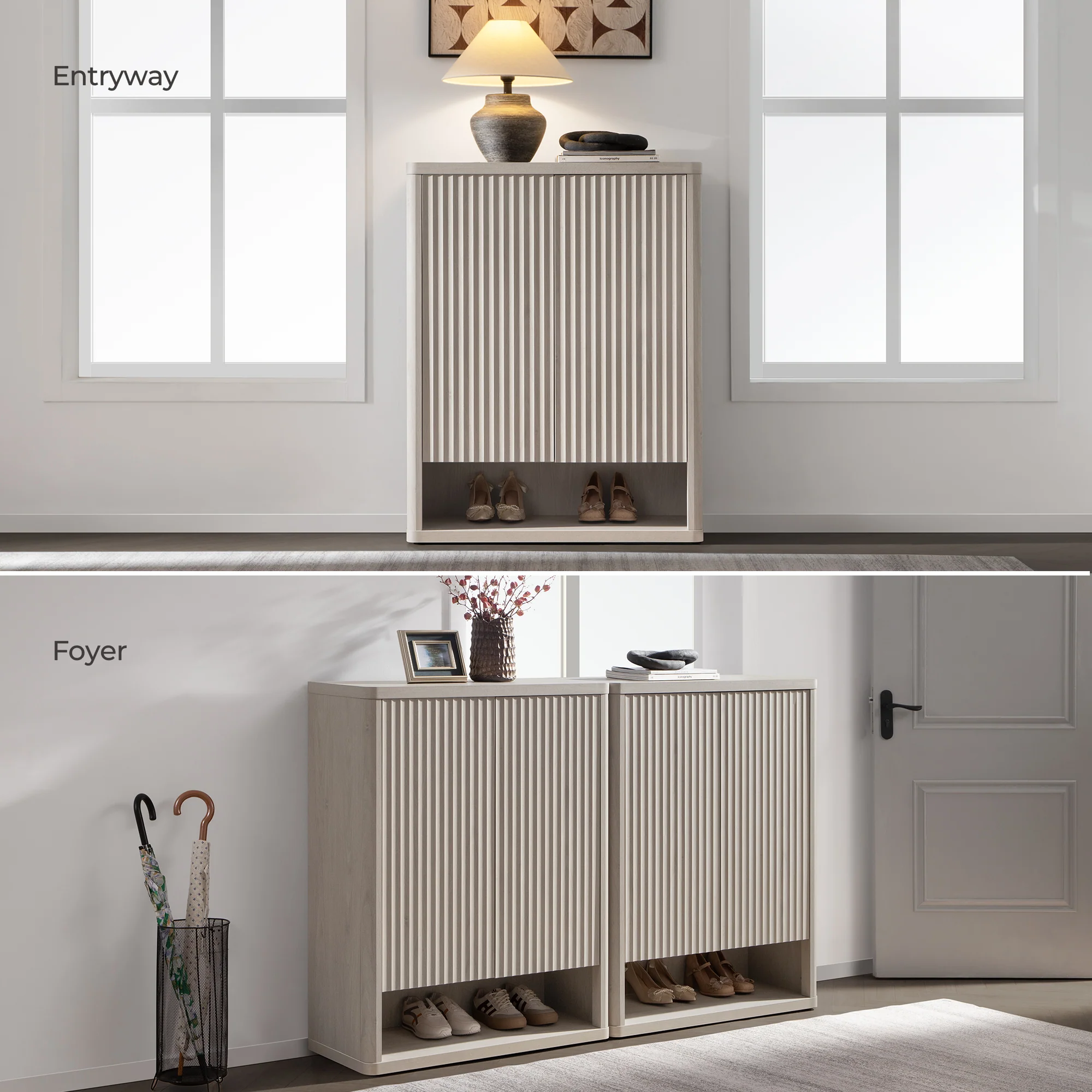
Closed shoe cabinets keep everything neat while maintaining a minimalist aesthetic. The best ones combine ample storage capacity with a slim profile, so they fit even narrow hallways. Consider cabinets with adjustable shelves to accommodate different shoe heights—from flats to tall boots.
Benches with Built-In Storage
A shoe bench offers dual functionality: a comfortable place to sit while putting on shoes and hidden compartments underneath for tidy storage. Opt for neutral colors and natural wood tones to match most entryway styles—modern, boho, or Scandinavian.
Bedroom: Keeping Daily Favorites Within Reach

Shoes aren’t only stored by the door—many people keep favorites in their bedrooms.
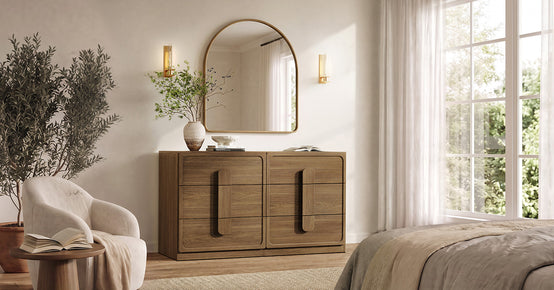
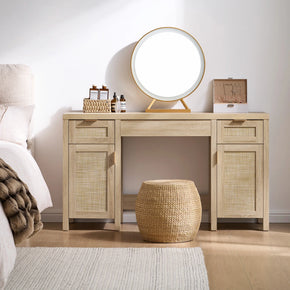
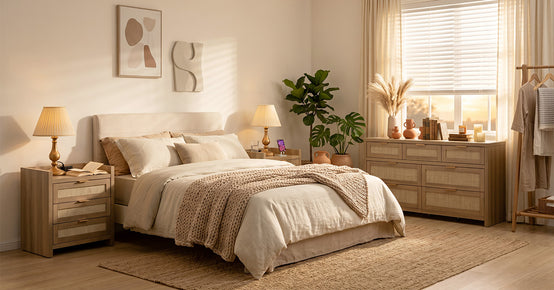
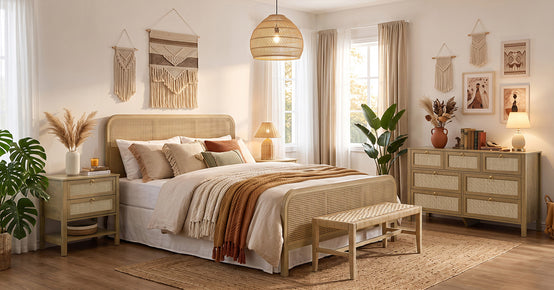
A low dresser or storage cabinet can double as a mini shoe store for seasonal footwear. Transparent boxes or pull-out drawers help you see your options at a glance while keeping dust away. For small spaces, consider stackable organizers placed under the bed or inside a closet system.
Closet Organization: Turn Chaos into a Display
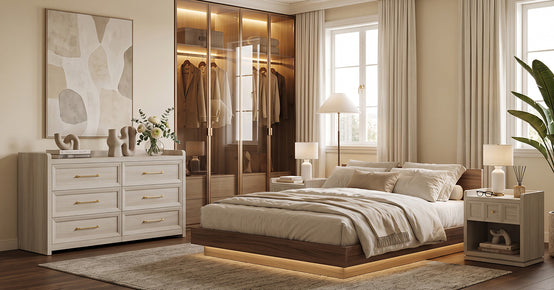
If you have a walk-in closet or wardrobe, your shoe organization can become part of your décor.
Arrange shoes by frequency of use—everyday pairs at eye level, dress shoes and heels on upper shelves, and off-season boots lower down. You can also use angled shelves to showcase them like a boutique.
For limited closet space, hanging shoe racks or vertical storage columns are ideal. They use height instead of floor space, a principle often seen in modern modular furniture design.
Living Room Corners: Hidden yet Handy
Some homeowners prefer keeping multipurpose storage in the living room, especially in open layouts.
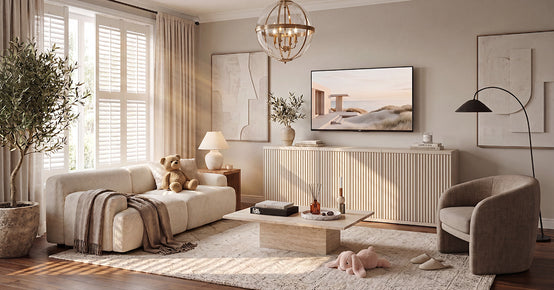
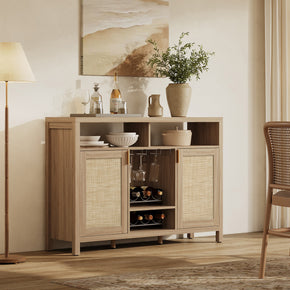
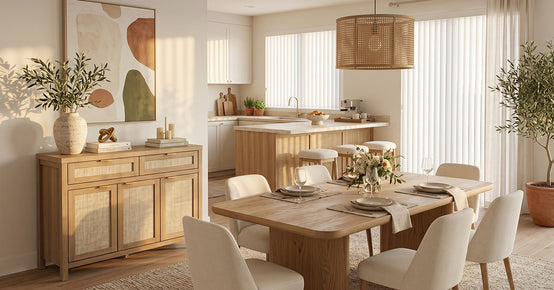
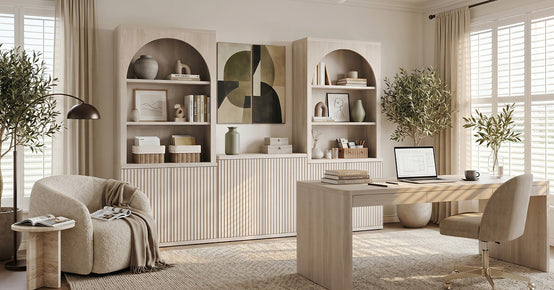
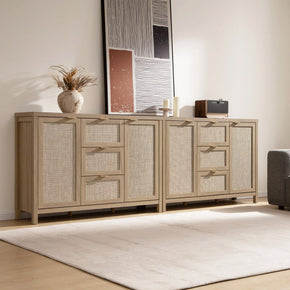
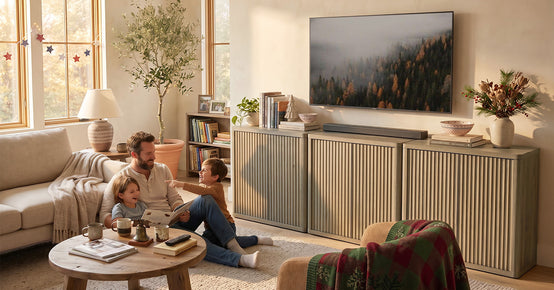
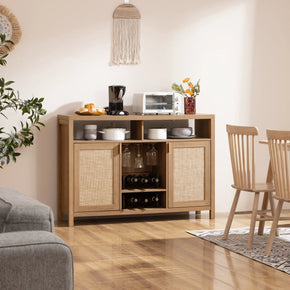
A sideboard with doors can hold shoes without looking like a traditional cabinet. The key is subtlety—choose designs with ribbed fronts, clean lines, and matte finishes that blend with your décor.
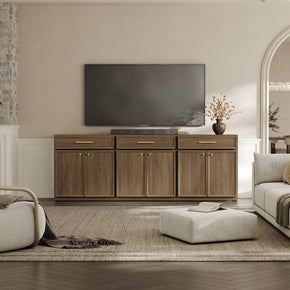
If you live in a compact apartment, furniture that doubles as storage—like a TV stand or console with drawers—can be repurposed for off-season shoes or guest footwear.
Small Space Hacks: Store Shoes Without Losing Style

Even studio apartments can stay organized with the right approach.
- Under-Stair Storage: If your home has stairs, the space underneath is perfect for hidden drawers.
- Wall-Mounted Racks: Free up floor space with slim vertical units.
- Multi-Tier Organizers: Adjustable metal or wood racks expand capacity in small closets.
- Rotating Towers: A creative option that stores many pairs within a compact footprint.
The best way to store shoes in small spaces is to make every piece of furniture multifunctional—exactly the design philosophy that inspires collections at SICOTAS.
Seasonal Rotation: Keep It Fresh Year-Round

Shoes for winter, summer, and special occasions can easily take over your storage area. A simple rotation system helps:
- Sort by season—keep current footwear accessible, store the rest in labeled boxes or bins.
- Clean and dry shoes before storing them long term.
- Use silica gel or cedar blocks to absorb moisture and prevent odor.
- Check materials regularly—leather needs breathable storage; synthetic shoes can be sealed.
This practice ensures that your collection stays in good shape and that your entryway or closet remains clutter-free.
Materials and Design: Why Furniture Quality Matters
When choosing where to store shoes, the design and build of your furniture make a difference.
Solid wood or engineered wood cabinets with textured finishes (like rippled panels or oak tones) create an inviting aesthetic while offering long-term durability. Proper ventilation is also important to keep shoes fresh—look for cabinets with discreet airflow panels or adjustable dividers.
The charm of modern furniture lies in simplicity and practicality—neutral colors, soft lines, and versatile tones that harmonize with different home styles.
The Best Way to Store Shoes for Families
For households with multiple members, shoe clutter multiplies fast. Here’s how to manage it gracefully:
- Assign zones or shelves to each person in a shared cabinet.
- Place a mat or tray under frequently worn shoes to catch dirt.
- Add baskets for slippers or indoor shoes near the entryway.
- Consider dual-cabinet setups—one for guests, one for family.
These strategies maintain order without sacrificing aesthetics, a key to calm, balanced interiors.
Combining Storage with Style
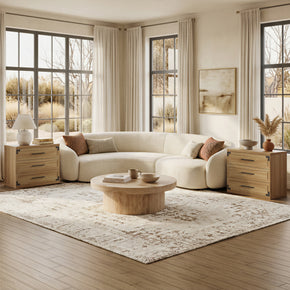
A shoe cabinet doesn’t have to be hidden—it can be part of your design story. Match tones with your flooring or wall panels for continuity. Layer décor above it: a mirror, a vase, or a lamp creates visual harmony and depth.
Warm wood tones such as caramel oak or white alder pair beautifully with minimalist spaces. These design touches turn practical storage into a welcoming focal point.
Maintaining a Clean Shoe Area
No storage system works without regular care. A few habits make all the difference:
- Wipe shoes before storing.
- Air out the cabinet once a week.
- Avoid over-stacking pairs.
- Donate or recycle shoes you no longer wear.
Keeping the area organized enhances the longevity of both your shoes and your furniture.
Conclusion
Learning how to store shoes isn’t just about decluttering—it’s about elevating your home’s rhythm and appearance. Whether you live in a spacious house or a compact apartment, thoughtful storage transforms daily routines into seamless experiences.
From shoe cabinets that keep your entryway pristine to benches that combine comfort and utility, functional furniture makes a statement about your lifestyle: calm, organized, and effortlessly elegant.
Frequently Asked Questions
What’s the best way to store shoes long term?
Keep them clean, dry, and stored in breathable boxes or cabinets away from sunlight and humidity.
How can I store shoes without taking up space?
Use vertical racks, wall-mounted organizers, or under-bed drawers to maximize unused areas.
Is it better to store shoes in boxes or cabinets?
Boxes work for protection; cabinets work for accessibility. A mix of both is ideal.
How do I prevent shoe odor in storage?
Use moisture-absorbing inserts, clean insoles regularly, and ensure good airflow in the cabinet.
What kind of shoe storage looks best in modern homes?
Minimalist cabinets in neutral tones—like oak, beige, or gray—blend seamlessly with any décor style.


Looking for something else?

20 Small Media Room Ideas for a Cozy, Space-Smart Setup
LEARN MORE
18 Jewelry Storage Ideas for a Tangle-Free Collection
LEARN MORE
10 Coffee Table Alternatives That Work Better in Small Living Rooms
LEARN MORE
15 Home Theater Furniture Ideas That Make a Room Work
LEARN MORELooking for something else?

Open vs Closed Floor Plan: Which Layout Suits Your Home?
LEARN MORE
Whitewashed Wood Furniture: Getting the Finish Right at Home
LEARN MORE
18 Accent Table Decor Ideas That Work in Real Rooms
LEARN MORE


Further reading

How to Choose a Dresser for Sweaters, Denim, and Bulky Clothes

Adjustable vs. Fixed Bookcase Shelves: Which Is Better for Real Storage?


