




How to Set Up a Small Bedroom: Smart Furniture & Layout Ideas
Setting up a small bedroom can feel like a puzzle — you want it comfortable, stylish and functional, yet the limited floor space can feel restrictive. If you’re wondering how to set up a small bedroom, you’re not alone. With the right furniture choices and layout approach, even a compact room can feel spacious and serene.
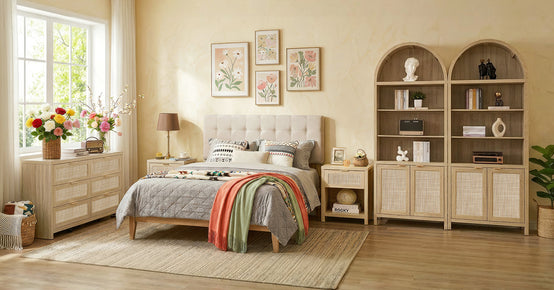
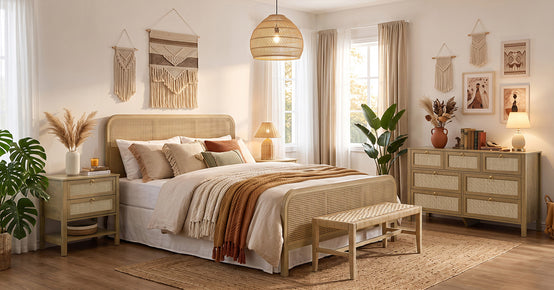
On offer are many pieces crafted with small-space living in mind: dressers, nightstands, and wardrobes in compact widths and clever finishes. For example, furniture from brands that emphasise modular, ready-to-use designs can simplify the process. One such brand features a full collection of bedroom furniture covering nightstands, dressers & chests, wardrobes and bedroom sets.
As you plan your space, this guide will walk you through the best ways, ideas and furniture features for setting up a small bedroom with ease and elegance — from layout to finishes, storage to styling.
Begin With Measuring & Planning

Before buying or arranging furniture, start with a clear measurement of your room. Knowing the width, length, ceiling height and the locations of doors and windows helps you plan where each piece will go.
Think about:
- Where the bed goes (often centred on a wall or under a window)
- Clear walking space (aim for at least 24-30 inches or about 60-75 cm in front of furniture)
- Which wall is best for dressers, wardrobes or nightstands
By measuring first, you’ll avoid the frustration of ordering a large dresser only to find it blocks a door or window. Many furniture collections offer compact sizes ideal for smaller rooms — for example the bedroom range includes drawer chests and compact nightstands that fit tidy spaces.
Choose Furniture That Fits the Scale
When you’re learning how to set up a small bedroom with furniture, your selection matters a lot. Opting for oversized pieces will swamp the space, while well-scaled furniture will enhance it.
Consider these features:
- Lower height furniture: A low profile bed or dresser helps the ceiling feel higher and the space more open.
-
Narrow widths: Choose dressers or wardrobes that are narrower but still have good storage capacity. Many modular collections provide efficient designs.
- Minimal footprint: Nightstands and chests with slim depth keep walking space clear. For instance, the bedroom furniture collection shows pieces with finishes and sizes tailored to compact rooms.
- A well-chosen piece doesn’t shout “small room” — it integrates, complements and stays out of the way.
Smart Storage Solutions for Compact Rooms

Storage is often the biggest challenge in small bedrooms. But there are smart solutions you can apply when you set up a small bedroom.
- Use dressers with multiple drawers to vertically organise items instead of sprawling horizontally.
- Choose chests and wardrobes with depth suited for folded clothes, minimising need for extra furniture.
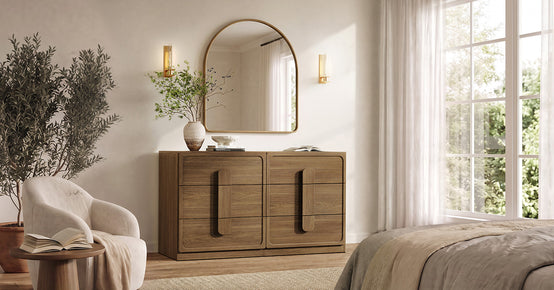
- Integrate nightstands that double as storage units, keeping surfaces clear. The brand’s bedroom range highlights nightstands, dressers & chests and wardrobes all designed for bedrooms.
By stacking storage intelligently and using furniture that pulls double duty, you free up space and avoid clutter, which visually expands the room.
Layout and Furniture Placement Ideas
When you’re considering ways to set up a small bedroom, layout is a key factor. Here are ideas to maximise space and flow:
- Place the bed against the longest wall, ideally opposite the door, to anchor the room.
- On the wall opposite or adjacent to the bed, place a dresser or chest of drawers. Use a width that leaves at least 60–90 cm walking space.
- Nightstands on either side of the bed (or one side if space is limited) give symmetry and functionality.
- If you have a wardrobe, consider placing it on a wall that doesn't interfere with bed access or door swing.
- Use vertical wall space — shelves or mounted cabinets — but keep them minimal so the room doesn’t feel heavy.
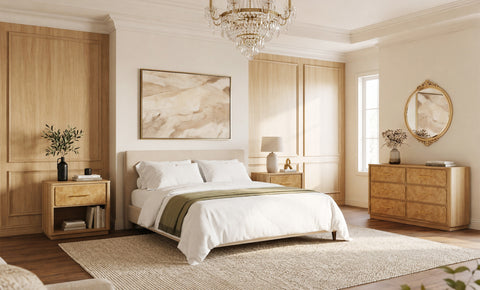
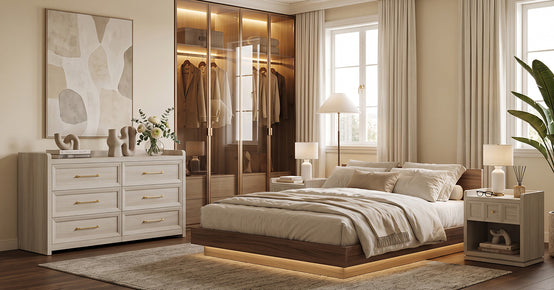
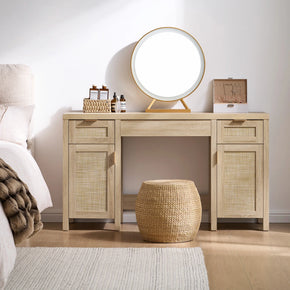
Consider choosing finishes and tones that reflect light, helping the room feel larger. Many furniture collections offer light oak, white or grey tones that visually expand space. The bedroom furniture line includes finishes such as White Cream Oak and Grey Alder among others.
Colour, Light & Textures Matter

When planning how to set up a small bedroom, the palette and lighting are just as important as furniture. A well-lit, thoughtfully coloured room seems larger and more inviting.
Tips include:
- Use light-toned furniture and walls to reflect more light and open the space up. White or cream coloured dressers or chests work well.
- Incorporate mirrors or reflective surfaces to bounce light.
- Use consistent finishes across furniture to create a unified look. For example, a collection’s cohesive palette of wood tones or greys gives harmony.
- Introduce texture via rugs, throws, cushions — but avoid too many bold patterns that may feel busy.
- Keep lighting layered: a ceiling light, bedside lamp and possibly a floor lamp. Soft lighting makes smaller spaces cosy rather than cramped.
Prioritise Functionality & Flexibility
In a small room every item must justify its presence. When you’re setting up a small bedroom, less is more, but what remains should be highly functional.
- Choose furniture pieces that serve more than one purpose. For example a dresser that also acts as a TV console or a nightstand with built-in charging station.
- Pick pieces that are relatively easy to reposition or remove if you want to refresh the layout.
- Maintain walkways and avoid overcrowding — this preserves space and reduces visual clutter.
- Use furniture with clean lines and simplicity; minimalist design often works best in smaller spaces. The brand in question emphasises modern, minimalist furniture.
Sample “Set Up” Plan for a Small Bedroom
Here’s a practical scenario of how to set up a small bedroom (say a 10 × 12 foot / ~3 × 3.6 m room) using the principles above:
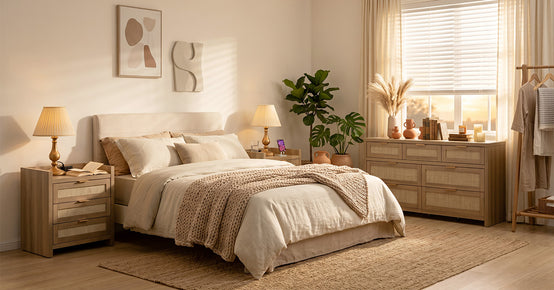
- Bed placed on the back wall, with headboard against the wall.
- Two slim nightstands on either side of the bed, each with small drawers for essentials.
- Opposite the bed, a narrow dresser or chest of drawers that leaves a 2 ft (60 cm) path in front.
- A wardrobe on one shorter wall, sized to match the room’s width without encroaching too much.
- Walls painted in a light neutral. Furniture kept in mid-tone woods or light finishes to avoid contrast that shrinks space.
- Minimal décor: one large artwork above the bed, a rug under the lower half of the bed, and a lamp with warm light on each nightstand.
- Decluttered surfaces: only bedside essentials visible; the dresser top kept clear or with a single accessory.
This layout gives storage, comfort and style while letting the room breathe.
Mistakes to Avoid When Setting Up Small Bedrooms
When dealing with a compact bedroom, there are common pitfalls that reduce comfort and style. Be mindful of these:
- Avoid oversized furniture: A big dresser might dominate the space.
- Don’t block light and views: Keep window areas free so natural light floods the room.
- Avoid too many colours and finishes: It fragments the visual field and makes the room feel smaller.
- Avoid leaving no walking space: If you can’t move freely around your bed and furniture, the room will feel cramped.
- Don’t ignore storage planning: Lack of enough drawers or shelving leads to visible clutter, which makes the room look smaller.
Final Thoughts
Learning how to set up a small bedroom effectively comes down to thoughtful planning, smart furniture choices, and a layout designed for space and comfort. The best way to set up a small bedroom is by integrating furniture that fits, choosing light finishes and prioritising functional storage without sacrificing style.
When you approach your room with clear measurements, select pieces scaled to your space, and design with intention, you’ll turn a small room into a calm, stylish retreat rather than a challenge to endure.


Looking for something else?

20 Small Media Room Ideas for a Cozy, Space-Smart Setup
LEARN MORE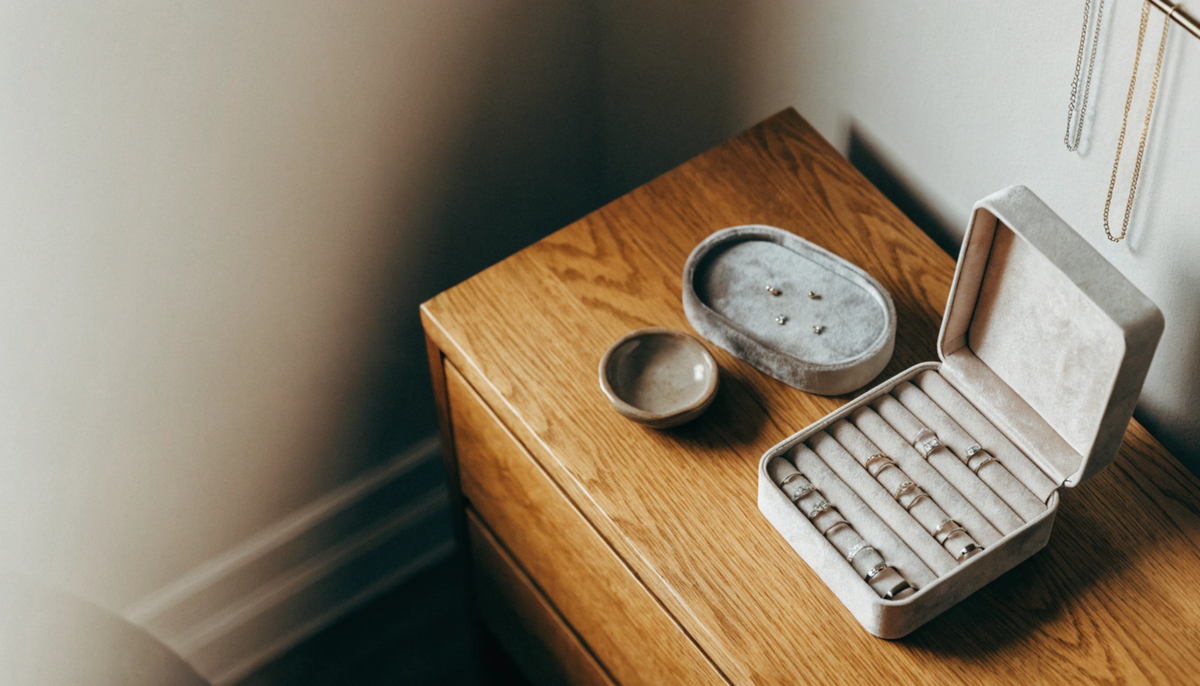
18 Jewelry Storage Ideas for a Tangle-Free Collection
LEARN MORE
10 Coffee Table Alternatives That Work Better in Small Living Rooms
LEARN MORE
15 Home Theater Furniture Ideas That Make a Room Work
LEARN MORELooking for something else?

Open vs Closed Floor Plan: Which Layout Suits Your Home?
LEARN MORE
Whitewashed Wood Furniture: Getting the Finish Right at Home
LEARN MORE
18 Accent Table Decor Ideas That Work in Real Rooms
LEARN MORE


Further reading

How to Choose a Dresser for Sweaters, Denim, and Bulky Clothes

Adjustable vs. Fixed Bookcase Shelves: Which Is Better for Real Storage?


