



13 Modern Vintage Home Decor Ideas That Make Your Home Feel Collected, Not Cluttered
So my downstairs neighbor moved out last fall. Left a walnut side table on the curb — sticky note taped to the top said “free, wobbly leg.” Carried it up three flights, tightened one screw with a butter knife (don’t judge me, I couldn’t find my screwdriver), and shoved it next to my couch.
That table gets more compliments than anything I’ve ever purchased on purpose. Which tells you something.
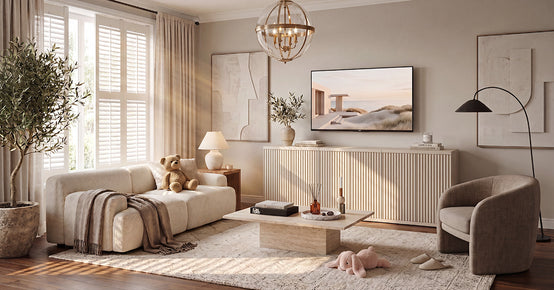
Modern vintage home decor works exactly like that — the best pieces never arrive through careful planning. They show up at yard sales and estate sales and on rain-soaked curbs. You drag them inside, stick them next to something you bought last year from a normal store, and suddenly the room has this pulse. This warmth. This feels like an actual person lives here, not a catalog photo.
I think people got exhausted. Same gray sofa everywhere. Same white floating shelves. Same sad little succulent on the windowsill. By 2026, that whole vibe has been losing ground fast, and what replaced it is messier and more interesting — collected rooms with warm wood, old brass, imperfect art, and furniture from four different decades somehow getting along.
Here are 13 ways to get there. Some are weekend projects. Some are free. And if you’re looking for clean, modern furniture to anchor everything around, the Sicotas modern furniture collection has good bones for this kind of room.
Modern Vintage vs Retro: They're Not the Same Thing
People ask me this all the time, so let me just knock it out up front. Retro commits to an era. Like, fully. You pick 1965, and suddenly everything in the kitchen is avocado green, and there's a fondue set you're pretending you use. It's fun for about six months, and then you realize you're living inside a movie set that nobody asked for. Modern vintage interior design doesn't do that. It's borrowing. A brass lamp from the seventies next to a sofa you got this year. A rug from some unknown decade on a floor that's otherwise completely plain. A sideboard your neighbor was literally dragging to the dumpster — now it holds your record player and looks incredible. Designers have this phrase for it: "collected home." Meaning it wasn't assembled as part of a single Amazon order. It came together over time. Piece by piece. That's what makes it feel real.
1. Make the Background Forgettable

Yeah, I said forgettable. On purpose.
Here’s what I mean. Paint the walls something quiet. White. Cream. That greige color everyone used in 2016 — honestly, it still works great as a backdrop. Get a couch in one solid color. A table that doesn’t scream any particular decade. Your foundation should be the kind of room that’s pleasant but unremarkable on its own.
Why though? Because when you drop a vintage piece into a boring room, that piece becomes the most interesting thing in the space. A 1950s brass floor lamp against a plain white wall? Showstopper. That exact same lamp in a room with patterned wallpaper and three competing throw pillow prints? Invisible. I watched this happen at a friend’s place, and it was almost painful. Gorgeous lamp. Nobody noticed it. The background was too noisy.
2. One Old Thing Per Room. Seriously, Just One.

Flea markets wreck people. You walk in needing a picture frame. You leave with a rocking chair, two ceramic vases, a stack of dusty Life magazines, and — I swear this happened to me — a brass telescope that doesn’t actually work but looked cool in the moment.
Resist. One strong vintage piece per room. A leather armchair with cracked arms that make you wonder who sat in it before you. A walnut credenza with legs that taper down like they’re standing on their toes. A massive painting you got for thirty bucks at an estate sale because the frame had a chip in it (the chip is the best part, by the way).
That one piece gets to be the star. Everything else backs it up. You start piling ten flea market finds into a corner, and the corner just looks like ten flea market finds. There’s no focal point anymore. There’s just stuff.
3. The Scratches on Old Wood Are Features, Not Flaws

This needs to be said because I watch people reject beautiful furniture over surface marks that actually make the piece better.
Aged oak with a coffee ring baked into the finish. Walnut gone dark in ways a factory could never replicate. Teak with that warm gold tone and a scratch running diagonally across the top from god knows what. A pine bench where the grain has risen because somebody left it on a porch for three summers. Those marks are proof of life. A particleboard dresser from a big-box store will never carry that kind of presence, no matter how many coats of faux distressing they spray on it.
Balance matters, though. Dark, heavy vintage wood next to more dark, heavy things creates a cave. So pair it with light stuff. White walls. A cream rug. Simple modern chairs. Let the old wood be the anchor, not the entire boat.
4. Swap One Lamp. Spend Twelve Dollars. Transform the Room.

Not joking. This is the single best bang for your buck on this list, and it isn’t close.
There’s a thrift store I hit on lunch breaks sometimes. They’ve always got a table crammed with old lamps — ceramic bases from the sixties with crackle glazes, brass columns that have gone slightly green, chunky glass things in colors that don’t exist anymore. Eight to fifteen dollars each, usually. I grabbed a short ceramic one with a blue-gray finish, took it to Target, spent twenty bucks on a plain linen shade, and that combination sits on my nightstand right now. People always comment on it. Always. Thirty-two dollars total. Less than I spend on takeout.
The old base, new shade trick is something professional designers use constantly, but nobody talks about it outside design circles. The vintage base brings the personality. The fresh shade keeps the whole thing from looking like it was rescued from a storage unit clearance. Together, they become something neither piece could pull off alone.
Oh, and small lamps. Put a tiny brass lamp on a bookshelf. Tuck a small glass one in a dark corner. That kind of warm, low light makes a room feel layered and moody in a way that overhead fixtures simply cannot. I’m a little obsessed with corner lamps, honestly.
5. Go Big With Old Art (Like, Really Big)

Gallery walls peaked a few years back. They’re still fine — I’m not going to tell you to rip yours down. But if you’re starting fresh in 2026, the power move is one oversized painting. Oil on canvas. A moody landscape with trees that look slightly ominous. A portrait where the eyes follow you across the room. Something that dominates the wall instead of sharing it with twelve other frames.
I picked up a landscape at an estate sale for twenty-five dollars. Huge thing — maybe three feet by four feet. The frame was banged up, and someone at the sale apologized for the condition. I hung it above my couch that same afternoon. The banged-up frame is genuinely my favorite part. It looks like it’s been hanging in someone’s home for sixty years, which is because it has.
If gallery walls are more your thing, the trick is hidden structure. Mix old portraits with pencil sketches. Throw in a small mirror. Different frames — gilded, plain wood, thin black metal. The frames can be random. The spacing between them cannot. Even spacing with mismatched content reads as curated. Random spacing with random content reads as “I haven’t gotten around to organizing that wall yet.”
6. The Bedroom Is Where This Style Really Earns Its Keep

Think about what happens in a bedroom. You wake up. Your eyes open. Before your brain has even fully turned on, they land on whatever’s directly in your line of sight. That piece of furniture gets more of your subconscious attention than anything else you own. So it better be worth looking at.
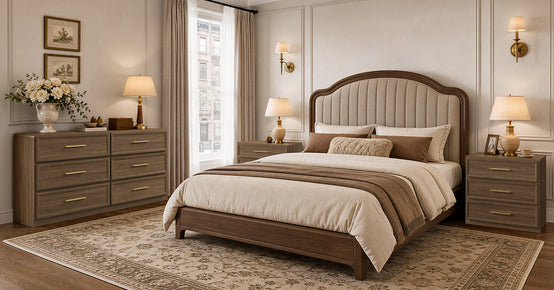
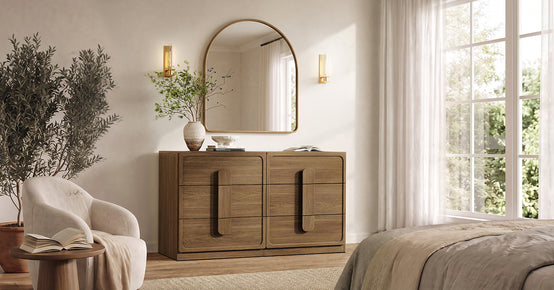
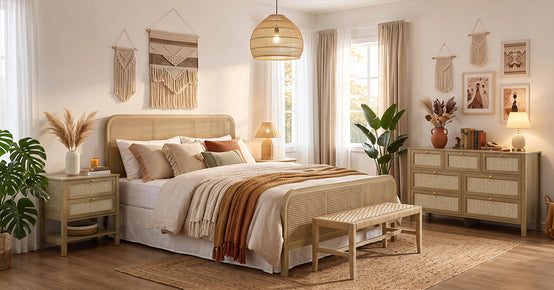
An old dresser with brass pulls that have tarnished to a warm, brownish-gold. Clean white wall behind it. Simple modern bed frame on the other side of the room. That’s it. That’s the whole composition. The dresser brings all the history and texture. The bed brings comfort. They balance each other, and neither one is trying to outshine the other.
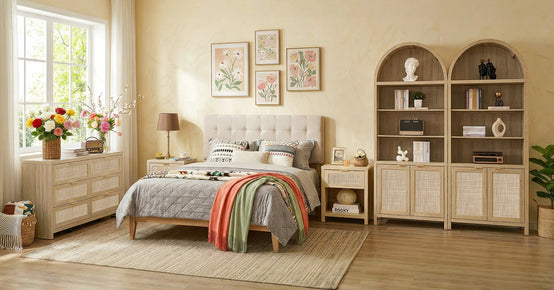
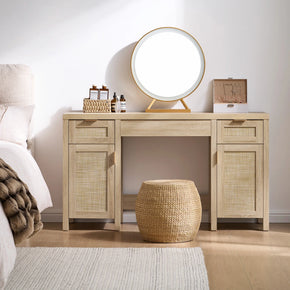
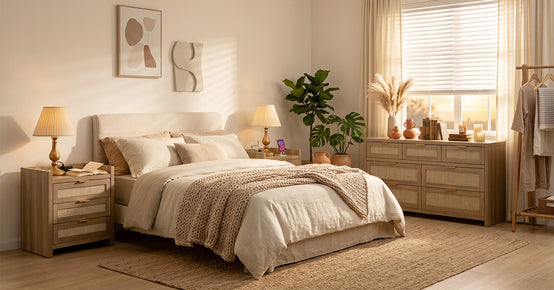
Not everyone wants to hunt for actual antiques, though, and that’s completely fair. A nightstand with woven rattan texture and clean lines can split the difference. The Savanna Rattan Nightstand is a good example — the rattan lends it a vintage-adjacent warmth, while the silhouette stays pretty modern. No flea market Saturday required. No wobbly leg drama.
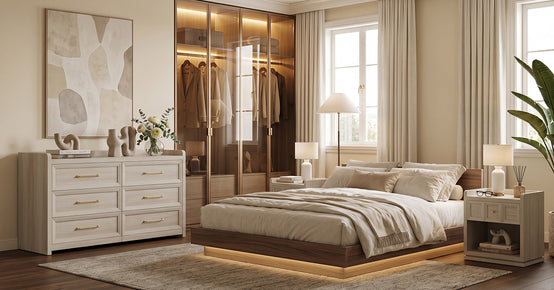
Putting together a bedroom from the ground up? Grab your base pieces from modern bedroom furniture first, then start layering in older character on top. New stuff on the bottom. Old stuff on the surface. That’s been my recipe, and it hasn’t failed me yet.
7. How a Three-Dollar Copper Bowl Became My Most-Discussed Possession

Estate sale. Table in the back. Little copper bowl just sitting there among a bunch of other kitchen stuff nobody wanted. Three dollars. I almost didn’t buy it because what do you even do with a copper bowl? Nothing is the answer. You put it on a shelf. It sits there. Late afternoon sun hits it, and it turns this deep amber color for maybe twenty minutes every day. Guests stare at it.
Vintage metals have this quality that newer hardware just doesn’t. Brass candlesticks that have gone greenish around the base. Sterling silver with tarnish crawling in from the edges. A copper tray with a dent in one corner. They feel warm and sort of alive in a room. Chrome and brushed nickel look fine, don’t get me wrong, but they don’t make you want to pick them up and turn them over in your hands.
Spread these pieces around, though. Don’t clump them. Brass tray here. Copper bowl across the room. Silver dish by the front door. Scattered metal reads as “I’ve gathered these from different places over different years.” Metal all in one spot reads as “I went to one store and bought a metal collection.” Very different feeling.
8. Your Old Glassware Deserves Shelf Space, Not a Cabinet Graveyard

Colored glass. Cut crystal that throws little rainbow prisms across the counter when the sun finds it. Vintage Pyrex in that specific robin ’s-egg blue they stopped making sometime around 1986. This stuff is at every thrift store in America, and it costs almost nothing.
Set three mismatched glasses on an open kitchen shelf. Put a crystal bowl inside a glass-front cabinet where light can actually reach it. Line up a few colored pieces on a bar cart and watch how they change when the afternoon light moves across the room. Old glass does things with light that paint and wallpaper simply cannot replicate. It’s alive in a way flat color isn’t.
One thing — don’t try to match them. I know the instinct is to collect a set. Fight it. Three glasses from three decades look more interesting than twelve identical ones from the same shelf. Mismatched reads as collected over a lifetime. Matched reads as purchased on a Tuesday. Your brain picks up on the difference faster than you’d think.
9. Treat Your Bookshelf Like a Gallery, Not a Filing Cabinet

Here’s what most people do with a bookshelf: they fill it. Spine out. Every shelf. Packed tight. And look, for pure book storage, that works great. But for modern vintage decor? You need some empty space in there.
Stack three vintage hardcovers flat — the kind with cloth covers and faded gold type. Rest a small ceramic vase on top. Put a weird old clock next to a simple photo frame. That brass dog figurine you found at Goodwill for a dollar seventy-five? Perfect. A wooden cigar box with a lid that’s warped slightly? Even better.
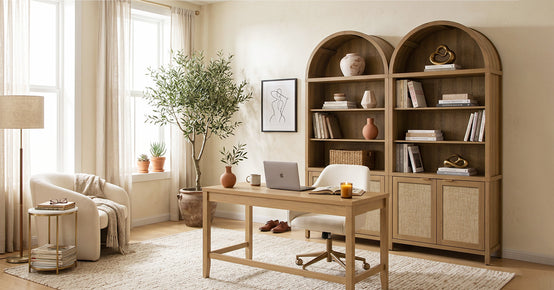
Leave gaps between clusters. Seriously. Those gaps are doing half the work. They’re what make the difference between “curated” and “crowded.” A tall bookcase like the Willow 75-inch Tall Bookshelf helps here because you get open shelves up top for display and closed storage on the bottom for hiding everything you don’t want seen. The top half is your gallery. The bottom half is your secret. Nobody needs to know about the bottom half.
10. Old Sideboards Were Born to Be Reinvented

Repurposing is honestly the most fun part of this whole approach.
I know a guy who turned a 1970s wardrobe into a bar cabinet. Ripped out the clothes rod, added a strip of LED lights inside, and lined up bottles where the hangers used to be. Another friend uses an old steamer trunk as her coffee table — the inside stores blankets and board games. My parents’ dining room sideboard (the one they threatened to put on Facebook Marketplace for two years) now lives in my living room, holding a turntable and about sixty records.
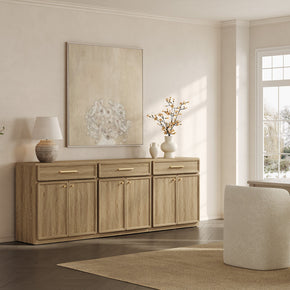
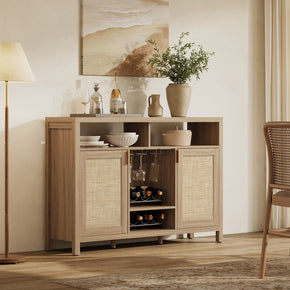
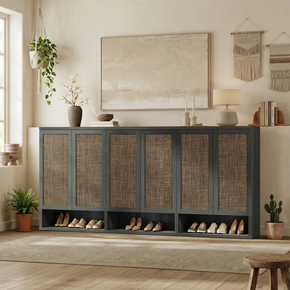
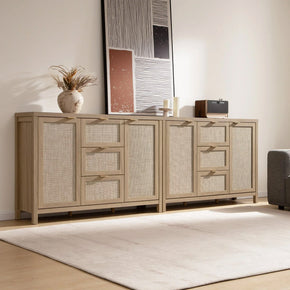
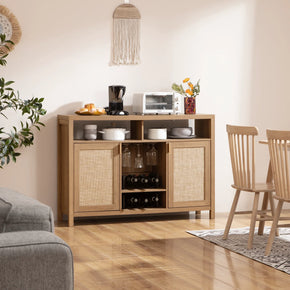
If you love that low, wide credenza look but need drawers that actually open smoothly in the year 2026, the Savanna Sideboard with Drawers has that warm vintage shape with modern hardware that won’t stick or jam. Put a thrifted lamp on one end. Lean a painting behind it. One ceramic thing. Boom — it looks like a corner you’ve been assembling for a decade.
More options with rattan fronts, warm wood finishes, or those mid-century tapered legs? Check out contemporary sideboard options and just browse around.
11. Seventies Colors Are Back, and Honestly? They’re Gorgeous.

There’s a line between “vintage charm” and “my room feels like a sad motel.” Color is where that line gets drawn.
Earthy neutrals hold the space together. Cream. Camel. That specific olive green you see in old Italian restaurants. Warm clay. Chocolate. These colors wrap around vintage pieces as they belong together.
But the wild card nobody expected in 2026? Full-blown 1970s jewel tones. And I mean bold. Paprika — that burnt orange-red that’s almost spicy to look at. Ochre. Oxblood. A deep green that sits somewhere between emerald and forest, can’t quite pin it down. Burgundy, the color of a wine accident on a white shirt. These would’ve felt aggressive five years ago. Right now, they feel grounded, warm, and kind of irresistible.
The save: one cool note. You need it, or the palette collapses into brown. Pair paprika and ochre with a flash of pale mint. Put burgundy next to soft blue-green. That one lighter element is the pressure valve. Find your warm colors in a rug or a painting first, then sprinkle them elsewhere in smaller touches — a pillow, a vase of flowers, the spine of a book on a shelf.
12. The 80/20 Rule (For People Who Need a Number Before They Can Start)

Look, I get it. Some brains need a framework, or they freeze. No shame in that. Here’s your framework.
Eighty percent of the furniture is new. Twenty percent old. That gives you a room that reads as modern but has a few vintage pieces acting as the personality. Flip it around — eighty percent vintage, twenty percent modern — and now you’re in eclectic territory. Think Parisian apartment where every piece has a story, and the only thing manufactured this century is the lamp cord.
You’re not literally counting. It’s a gut check. What happens without it is people accidentally go full one direction — either the room is all shiny and new and feels like a hotel lobby that’s trying too hard, or it’s all old and feels like you’re sleeping inside an antique booth at a flea market. The ratio catches you before you tip over the edge.
13. Tiny Vintage Things Do Ridiculous Amounts of Work

No budget needed. Barely any effort needed.
A tarnished silver tray on a coffee table from Target. Old ceramic napkin rings your grandmother pulled out twice a year for holidays. A wooden cutting board so worn the grain is raised like braille, propped against the kitchen backsplash. Candle holders that have clearly been through some things. A picture frame in which the gilding has worn off in one corner, revealing the plaster underneath.
These tiny additions — and I’m talking stuff that fits in a shopping bag, stuff that costs pocket change — are what push a room from “nicely furnished” to “somebody actually lives here.” Layer old things next to new things. Vintage tray on a modern table. Beat-up frame on a clean shelf. Copper bowl next to this month’s magazines. That layering, that friction between worn and fresh, is the whole heartbeat of modern vintage home decor. Not decorated. Collected. There’s a difference you can feel the second you walk through the door.
FAQs
What is modern vintage home decor?
Basically, you keep most of your room looking current — normal couch, plain walls, simple shelves — and then you bring in older things wherever they feel right. A vintage lamp here, an antique dresser there, some art in a frame that’s obviously been around for a while. You end up with a space that looks like you’ve been living in it for years, accumulating things you actually like, instead of buying everything in one weekend.
How do you mix old and new without the room looking like a time capsule?
Neutral background. That’s step one, and it does most of the work. Simple modern furniture, plain walls. Then add vintage pieces sparingly — one, maybe two per room. If you grab a color from your vintage piece and echo it somewhere modern (like a throw pillow or some flowers), the whole thing ties together. The moment old stuff outnumbers new stuff is usually the moment things start looking more antique-mall than home.
What is the 80/20 rule in decorating?
It’s a ratio. Eighty percent one style, twenty percent the other. If your place is mostly modern, let a couple of vintage finds be the room's personality. If you want more of an eclectic feel, lean the other way. Nobody’s walking around with a calculator. It’s more of a gut-check, so the room doesn’t accidentally become all-old or all-new. Like seasoning food — you’re going for the amount that enhances, not the amount that overwhelms.
How do I make old furniture look current instead of just outdated?
White wall behind it. Modern lamp on top. Empty space around it. That’s basically the formula. A vintage dresser, surrounded by floral curtains and lace doilies, looks like a set from a period film. That same dresser, set against a clean wall with nothing competing for attention, looks like a deliberate design choice. New lampshades on old bases work wonders too. Overcrowding kills it — if there’s too much stuff around a vintage piece, it stops being a statement and starts being clutter.
What’s trending in vintage decor right now?
Wood with real age on it. Not that fake distressed stuff — actual patina from actual decades. Vintage glassware and colored Pyrex are huge. Brass and copper accents everywhere. Old lamps with new shades. Oversized art in gold frames that have a few chips. Tiny accessories like trays, bowls, and candlesticks. And 1970s jewel tones across the board — paprika, ochre, oxblood, deep green. Rooms with furniture spanning multiple decades are having a big moment, too.
Vintage versus antique — does the difference actually matter for decorating?
Antique technically means over 100 years old. Vintage is the 20-to-99 range. For decorating purposes? Doesn’t matter one bit. A brass lamp from 1978 and a silver tray from 1910 can share a table without any philosophical conflict. Nobody’s checking certificates. If it looks right in the room and brings warmth, use it.
I live in a small apartment. Can I still pull this off?
Small spaces are actually ideal for this. One vintage lamp on a side table, one interesting mirror, one thrifted tray — in a compact room, those three things are immediately obvious, and they do massive work per square foot. Big antique furniture can swallow a studio apartment alive, so stick with accessories and maybe one medium piece like a nightstand or narrow console table. All the characters without the cramming.
Where do I find vintage stuff that doesn’t cost a fortune?
Thrift stores. Flea markets. Estate sales — especially day two or three, when the family running it would rather drop prices than pack everything up again. Those are the classic spots, and they’re still the best. Online, there’s Facebook Marketplace, eBay, and Craigslist. But honestly, the real hidden source is your own family. That lamp your mom keeps saying she’s going to donate. The tray in your dad’s basement. Those pieces carry actual personal history, and they cost exactly zero dollars.
Sources
- Good Housekeeping –Designers Say These 10 Vintage Decor Trends Will Be Everywhere in 2026. Trend context for vintage glassware, warm woods, metals, lighting, and 1970s jewel tones.
- HGTV –Pro Tips for Putting a Modern Spin on Vintage Decor. Designer guidance on turning antique furniture and vintage pieces into focal points in contemporary and transitional interiors.
- Bob Vila –Antique vs Vintage Wares: This Is the Actual Difference. How to identify true vintage from reproductions — material clues, construction techniques, signs of wear, and what separates an antique from a vintage or retro piece.
- Bob Vila –10 Rules to Follow When Buying Secondhand Furniture. Buying guidance for vintage case goods — dressers, chests, sofas — including inspection checks, structural integrity, and avoiding common pitfalls.
- Homes & Gardens –How to Style Antique Furniture for a Timeless, Transitional Space. Ten interior designers share real examples of blending antiques with modern style — wall colors that complement brown wood, mixing eras, and balancing case goods.
- House Beautiful –7 Vintage Home Decor Features That Designers Want to See Everywhere in 2026. Antique furniture, quality hardware, woodwork, and period lighting coverage.


Looking for something else?
Narrow Shoe Cabinet Buying Guide: Depth, Sizes and Styles That Fit a Small Entryway
LEARN MORE
11 Best Mid-Century Modern TV Stands for Style and Real Storage
LEARN MORE
Mid Century Sideboard Guide: How to Choose the Right Size, Wood and Style
LEARN MORE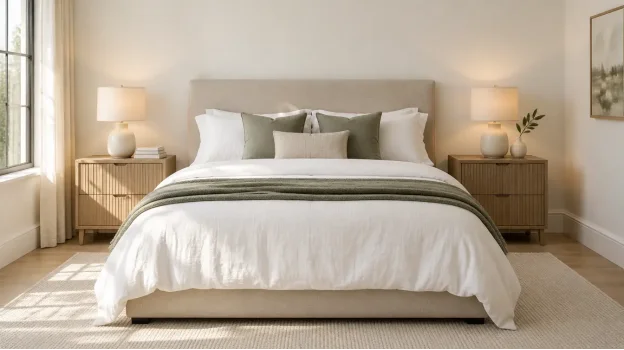
Fluted Nightstand Guide: Meaning, Sizes, Styles and Care Tips
LEARN MORELooking for something else?
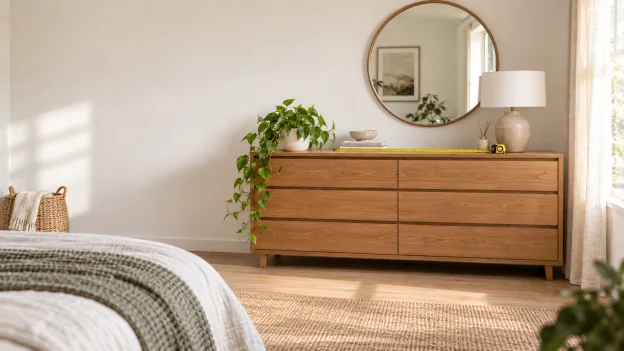
Dresser Dimensions Guide: Standard Width, Height and Depth by Type
LEARN MORE
Slim Shoe Cabinet Guide: Best Depth, Size and Storage for Narrow Hallways
LEARN MORE


